
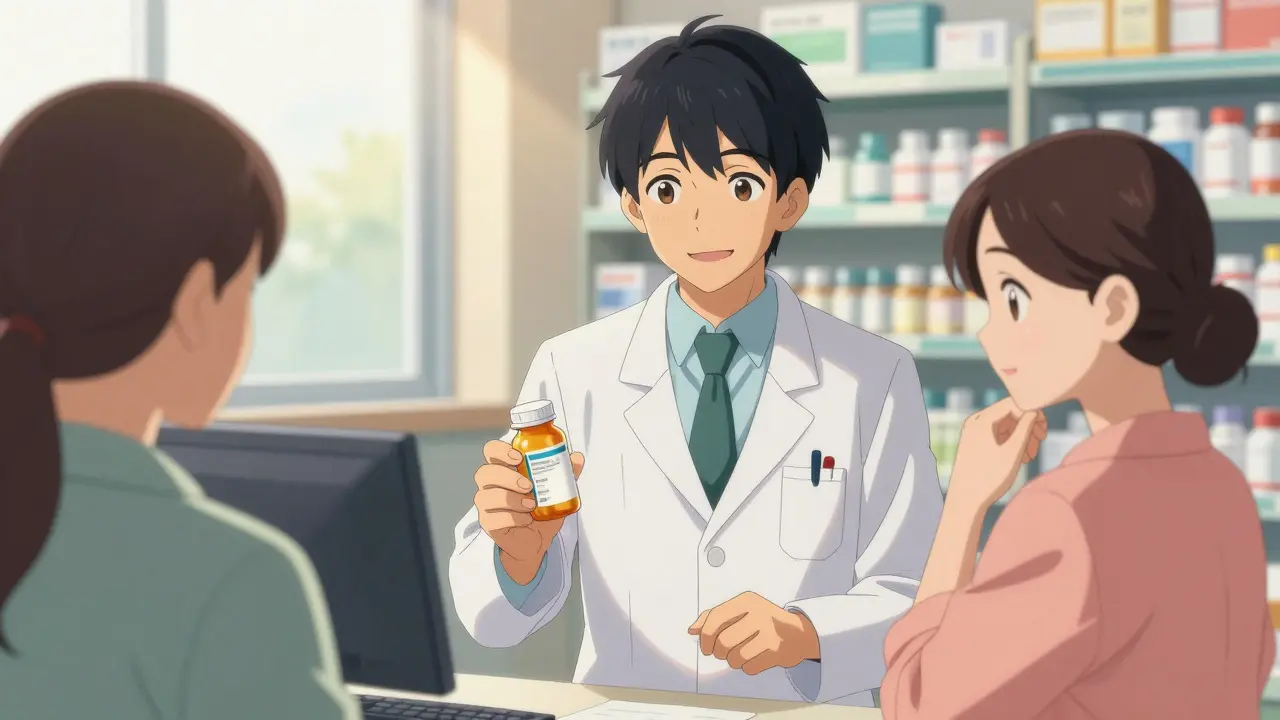
Did you know that 9 out of 10 prescriptions in the U.S. are filled with generic medications? Yet many patients still worry they're getting less effective drugs. The Food and Drug Administration (FDA) ensures these drugs are just as safe and effective as brand-name versions through rigorous testing. But why do trust gaps persist? And how can you feel confident about choosing generics?
What exactly are generic medications?
generic medications are FDA-approved drugs that contain the same active ingredients, strength, and dosage form as brand-name versions. They must meet strict bioequivalence standards. This means they deliver the same therapeutic effect in your body. The FDA requires generics to fall within 80-125% of the brand's effect on absorption rates. But here's the key: active ingredient levels must be within 90-110% for safety and effectiveness. This process started with the 1984 Hatch-Waxman Act, also known as the Drug Price Competition and Patent Term Restoration Act. It created the Abbreviated New Drug Application (ANDA) pathway for generic approval. Today, generics make up 90% of U.S. prescriptions but only 23% of total drug spending. That's because they cost 80-85% less than brand-name drugs.
For example, switching from brand-name Lipitor to generic atorvastatin saves most patients over $200 per month. A Medicare beneficiary interviewed by Kaiser Health News saved $1,200 annually by switching from Eliquis to apixaban while maintaining stable blood test results. These savings are possible because generics don't repeat expensive clinical trials. Instead, they prove they work the same as the original drug through bioequivalence studies.
Why do patients distrust generics?
Despite FDA oversight, misconceptions persist. A 2024 PLOS ONE study found 33.1% of patients believe generics contain only 80% of active ingredients-a myth the FDA thoroughly debunks. In reality, active ingredient levels must be 90-110% of the brand. Another common worry is pill appearance. Generic pills often look different because they use different inactive ingredients. But these fillers don't affect the drug's effectiveness. Still, 42.7% of dissatisfied users cited inconsistent pill shapes or colors as a reason for distrust, according to a 2022 Tandfonline study.
Distrust also varies by demographics. Older adults over 60 show higher trust (71.4% safety perception) compared to younger patients. But even among seniors, 29.5% fear side effects. In Greece, only 69.8% of patients trust generics when proposed by doctors, while in the U.S., 94% believe they're as safe and effective. This gap comes from education. A 2023 Health Policy Today survey found only 31.8% of patients choose generics for "same ingredients"-most pick them for cost alone (68.2%). This shows many don't fully understand the science behind generic approval.
How healthcare providers build trust
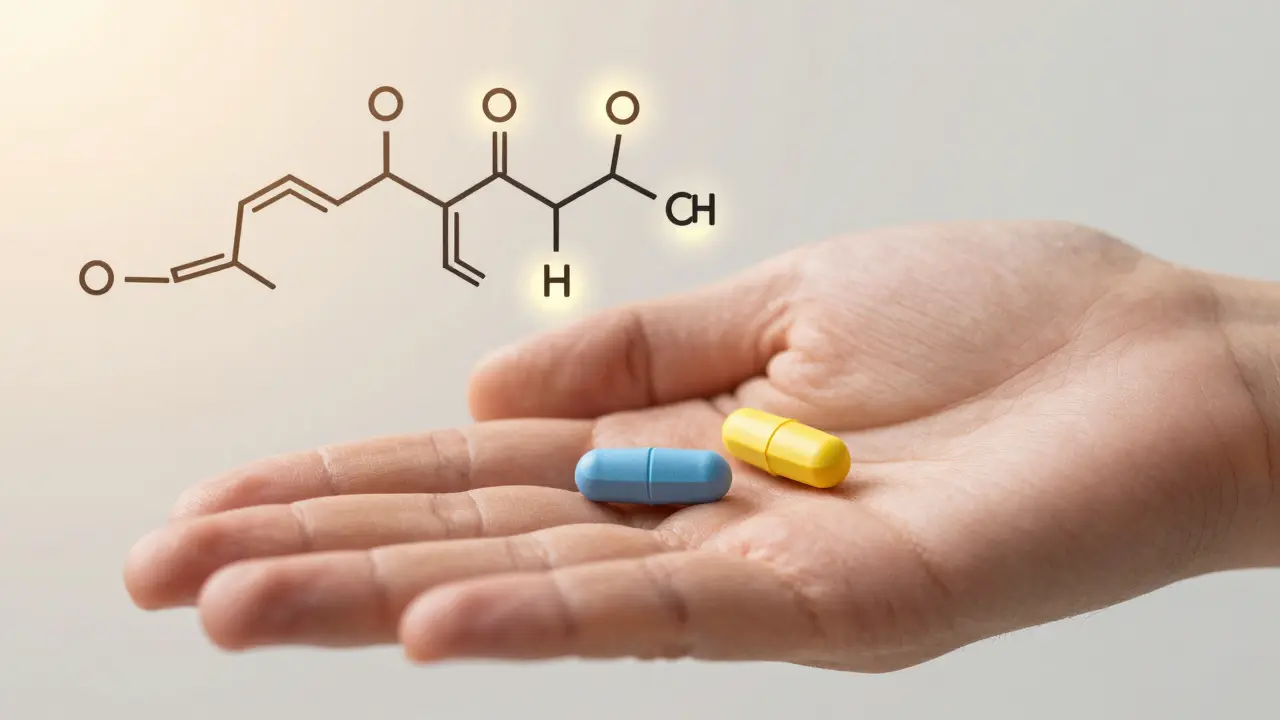
Doctors and pharmacists play a critical role. A 2024 Frontiers study found healthcare professional influence predicts 87.6% of generic acceptance. When providers explain bioequivalence clearly, patients trust more. Kaiser Permanente introduced a "Generic Medication Education Toolkit" in 2023. It uses visual aids showing chemical equivalence between brand and generic versions. This reduced generic refusal rates by 37%. Mayo Clinic achieves 92% patient satisfaction on generic discussions through dedicated pharmacist consultations-far above the national average of 68%.
Dr. Jane Smith, Director of the FDA Office of Generic Drugs, states: "For generics, FDA approval means that a drug is not only safe and effective but also bio-equivalent and therefore interchangeable with the brand." During consultations, providers should address specific concerns. For example, if a patient switched from brand Synthroid to generic levothyroxine and had stable TSH levels for two years, this proves effectiveness. But if side effects occur, it's often due to inactive ingredients, not the active drug. Pharmacists can help by explaining these differences during dispensing.
Real-world examples
Take the case of u/MedStudent2023 on Reddit. They switched their mom from brand Synthroid to generic levothyroxine. Her TSH levels stayed stable for two years, saving $300 annually. But not all stories are smooth. u/ChronicPainPatient reported nausea from generic Lyrica when the brand never caused issues. This highlights why inactive ingredients matter. However, for most people, generics work just as well.
A Kaiser Health News interview in February 2024 featured a Medicare beneficiary who saved $1,200 yearly by switching from Eliquis to apixaban. Blood tests showed no difference in effectiveness. These examples prove generics work-but individual experiences vary. That's why clear communication from healthcare providers is essential. They can help patients navigate these differences safely.
Practical steps for patients
Building trust starts with simple actions. First, ask your doctor or pharmacist about the generic option. They can explain why it's safe and effective. Second, check if your pharmacy allows substitution. Some states have laws requiring pharmacists to substitute generics unless the doctor specifies otherwise. Third, monitor how you feel after switching. Most people experience no issues, but if side effects occur, contact your provider. They can adjust the prescription.
The FDA's 2022 "Understanding Generic Drugs" guide emphasizes that different inactive ingredients cause pill appearance variations but don't affect efficacy. For instance, a generic version of a heart medication might be a different color or shape than the brand, but it works the same. If you're concerned, ask your pharmacist to explain the differences. Knowledge is power-understanding why generics are safe helps you make confident choices.
Future developments
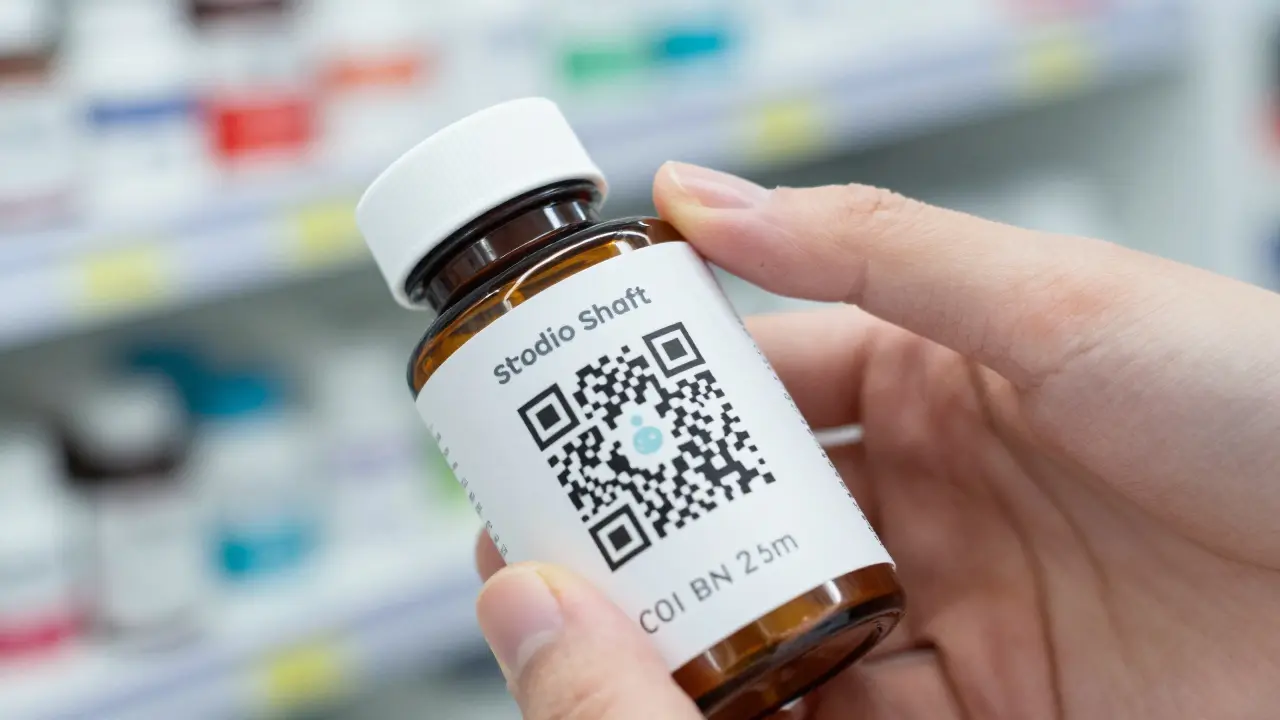
Trust-building efforts are evolving fast. The FDA launched the "Know Your Options" campaign in January 2024 with $15 million funding. This targets misconceptions about generic quality. CVS Health is testing AI tools in Q3 2024 that personalize education based on your medication history. By 2025, 78% of major generic manufacturers will include QR codes on packaging for traceability. These developments aim to increase transparency.
Industry projections show generics will maintain 85-90% market share through 2030. But closing trust gaps could unlock $1.7 trillion in savings over the decade, according to the Congressional Budget Office. The key is consistent education. As more patients learn about bioequivalence standards, confidence in generics will grow. This isn't just about saving money-it's about ensuring everyone has access to safe, effective treatment.
Are generic medications as effective as brand-name drugs?
Yes. The FDA requires generic medications to demonstrate bioequivalence, meaning they deliver the same therapeutic effect as brand-name drugs. Active ingredient levels must be within 90-110% of the original. For example, a 2023 Health Policy Today survey found 94% of U.S. patients believe generics are as safe and effective. However, individual reactions may vary due to inactive ingredients, which is why some people experience differences in side effects.
Why do generic pills look different?
Generic drugs use different inactive ingredients (like fillers or dyes) to avoid patent issues. These don't affect the drug's effectiveness but change the pill's color, shape, or size. The FDA allows this as long as the active ingredient is identical. For instance, a generic version of a heart medication might be blue instead of red, but it works the same. If you're confused by the appearance, ask your pharmacist to explain the differences.
Can I trust generic medications for serious conditions?
Absolutely. Generics are used for everything from high blood pressure to cancer treatment. A 2022 JAMA Internal Medicine study found only 0.8% of adverse event reports involved potential generic substitution issues. The FDA's post-market surveillance under GDUFA III ensures ongoing safety. For example, switching from brand Eliquis to generic apixaban has proven equally effective for blood clot prevention in thousands of patients. Always consult your doctor before switching, but rest assured generics are rigorously tested for safety.
Why do some people experience side effects with generics?
Side effects from generics usually come from inactive ingredients, not the active drug. For example, someone with a corn allergy might react to a generic pill containing cornstarch. These reactions are rare, and pharmacists can often find alternatives. A 2024 Frontiers study found only 12.3% of patients reported side effects due to inactive ingredients. If you experience issues, talk to your pharmacist-they can check the ingredients and suggest a different generic version or brand.
How do I know if a generic is right for me?
Start by discussing options with your healthcare provider. They'll consider your medical history, current medications, and any allergies. For most conditions, generics are a safe choice. If you've had issues with a specific generic before, your doctor can specify "do not substitute" on the prescription. Remember, the FDA requires all generics to meet strict standards-so if your doctor approves it, you can trust it. A 2023 survey showed 71% of patients who asked about generics received clear explanations and felt confident in their choice.
Comments
Tola Adedipe
Generics are just as effective as brand-name drugs-period.
On February 6, 2026 AT 23:33
Ritu Singh
The FDA mandates that generic medications must demonstrate bioequivalence within 90-110% of the active ingredient concentration. This ensures therapeutic equivalence. However, cultural perceptions vary globally; in India, only 69.8% of patients trust generics when prescribed, highlighting the need for targeted education.
On February 7, 2026 AT 03:19
Mark Harris
Generics work great for me! I've saved hundreds on my meds. Don't let the pill color fool you-it's the same medicine. 💪
On February 8, 2026 AT 12:13
Ariel Edmisten
Same here. FDA tests confirm generics are safe. Talk to your pharmacist for details.
On February 10, 2026 AT 11:00
Niel Amstrong Stein
Totally agree. 🌍✨ The FDA's got it covered. Generics save money without compromising quality.
On February 11, 2026 AT 12:50
Paula Sa
It's important to understand that generics undergo the same rigorous testing. Many patients don't realize how strict the FDA's requirements are. Clear communication from healthcare providers builds trust.
On February 12, 2026 AT 06:59
Mary Carroll Allen
I swiched to generic Lipitor and saved $200 a month! The FDA says they're identical, so why do people still doubt? #TrustTheScience
On February 12, 2026 AT 11:50
Joey Gianvincenzi
The scientific consensus is clear: generics are equally effective. Dismissing this evidence is not only misguided but also harmful to healthcare affordability. The FDA's approval process is non-negotiable.
On February 12, 2026 AT 22:24