
When you’re looking for a cheaper version of a brand-name drug, you might think of generic pills. But there’s another kind of generic that’s often overlooked: authorized generics. These aren’t just copies-they’re the exact same drug as the brand name, made by the same company, just sold without the brand label. And if you’re trying to save money on prescriptions, knowing where to find the official list of these drugs can make a big difference.
What exactly is an authorized generic?
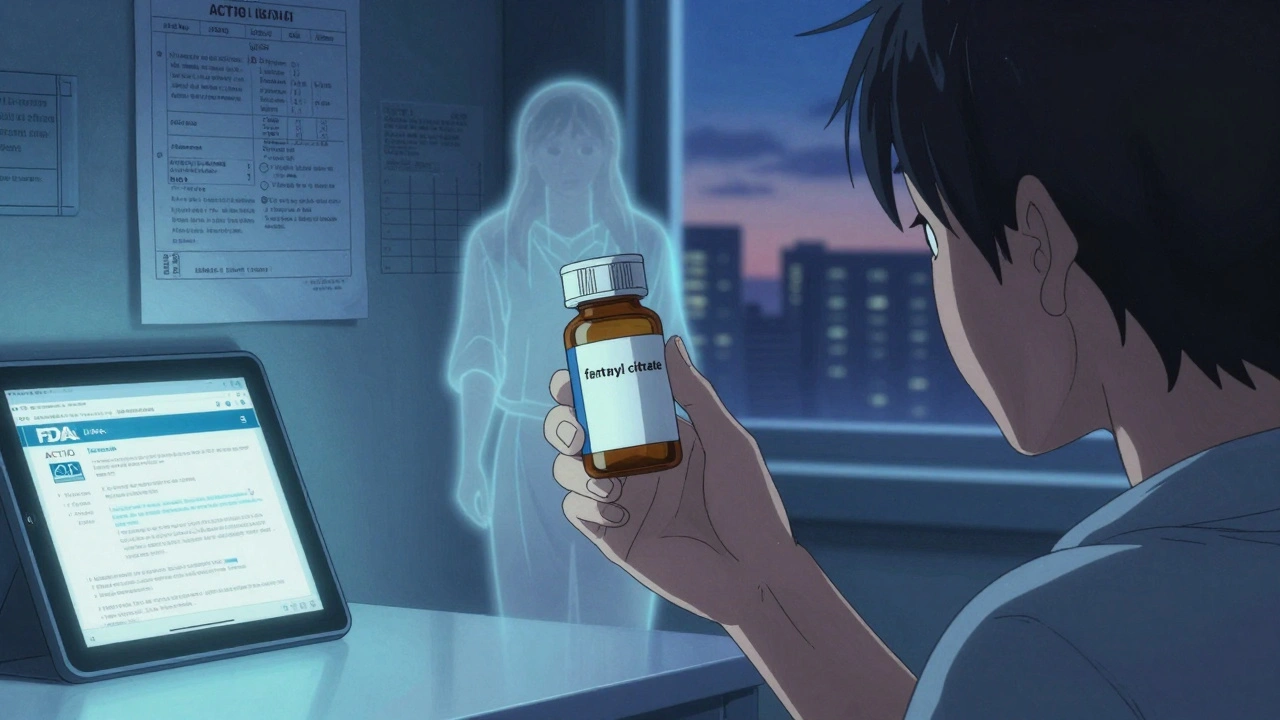
An authorized generic is a brand-name drug that’s sold under a different label, usually at a lower price. It’s made by the original manufacturer, using the same ingredients, same factory, same packaging-except the brand name is removed. For example, if you take ACTIQ a fentanyl lozenge for breakthrough cancer pain, originally marketed by Cephalon, LLC, the authorized generic version is physically identical but labeled as just "fentanyl citrate". The FDA says these are "the same as the brand-name drug but does not use the brand name on the label."
Unlike regular generics, which are made by other companies after the patent expires and approved through an Abbreviated New Drug Application (ANDA), authorized generics are sold under the original company’s New Drug Application (NDA). That means they don’t appear in the FDA’s Orange Book, which lists approved generics and their therapeutic equivalence ratings. Instead, they’re tracked separately-on the FDA’s List of Authorized Generics.
Why does this list even exist?
The list wasn’t created to help patients save money. It was created because of a law. In 2003, Congress passed the Medicare Prescription Drug, Improvement, and Modernization Act (MMA). Section 505(t) of that law forced the FDA to publish a public list of all authorized generics, including:
- The brand name
- The company that makes it
- The date the authorized generic entered the market
The goal? To increase transparency. Brand manufacturers often launch their own authorized generic right before a regular generic hits the market. This lets them keep some market share-and sometimes even undercut the competition. The FDA’s list helps regulators, researchers, and pharmacies see who’s doing what.
Between 2010 and 2019, over 850 authorized generics launched in the U.S., according to a 2023 Health Affairs study. Pfizer alone has 47 on the list. Teva and Viatris (formerly Mylan) aren’t far behind. That’s not small change. It’s a major part of how drug pricing works behind the scenes.
Where do you find the official FDA list?
The only official source is the FDA’s own website: fda.gov/drugs/abbreviated-new-drug-application-anda/fda-list-authorized-generic-drugs. That’s the only page that links to the current PDF version of the list.
The list is updated every three months, with the most recent version dated October 10, 2025. It’s a single PDF file, about 1.09 MB, with columns for brand name, dosage, strength, manufacturer, and the date the authorized generic entered the market.
Here’s what you’ll see on the list:
- ARTHROTEC 50 mg/200 mcg tablets by Pfizer Inc., entered the market November 1, 2012
- CLEOCIN T 1% gel and lotion by Pfizer, entered June 11, 2003 and June 18, 2003
But here’s the catch: that date isn’t the exact day the drug hit shelves. It’s the date the company reported it in their annual FDA report. The FDA admits they don’t know the real launch date in most cases. And worse-they don’t know if the drug is still being sold.
Why the list isn’t enough for real-world use
Many people think if a drug is on the FDA’s list, it’s available at their pharmacy. That’s not true.
A 2023 survey of 1,247 independent pharmacists found that 68% found the list "somewhat or very difficult" to use for buying drugs. Why? Because the list doesn’t tell you:
- If the drug is still being manufactured
- Which wholesaler sells it
- What the current price is
- Whether your insurance covers it
One pharmacy owner in Ohio checked eight authorized generics from the list. Five weren’t available through his suppliers, even though the FDA said they entered the market in 2020. Another pharmacist on Reddit said, "The list is great for academic research but nearly useless for daily practice."
Companies like IQVIA and Symphony Health track actual sales and distribution. They know which authorized generics are still in stock, which ones are discontinued, and what pharmacies are ordering. But those services cost money. The FDA’s list? Free. But incomplete.
How to actually find an authorized generic you can buy
If you’re a patient or caregiver trying to save money, here’s what works:
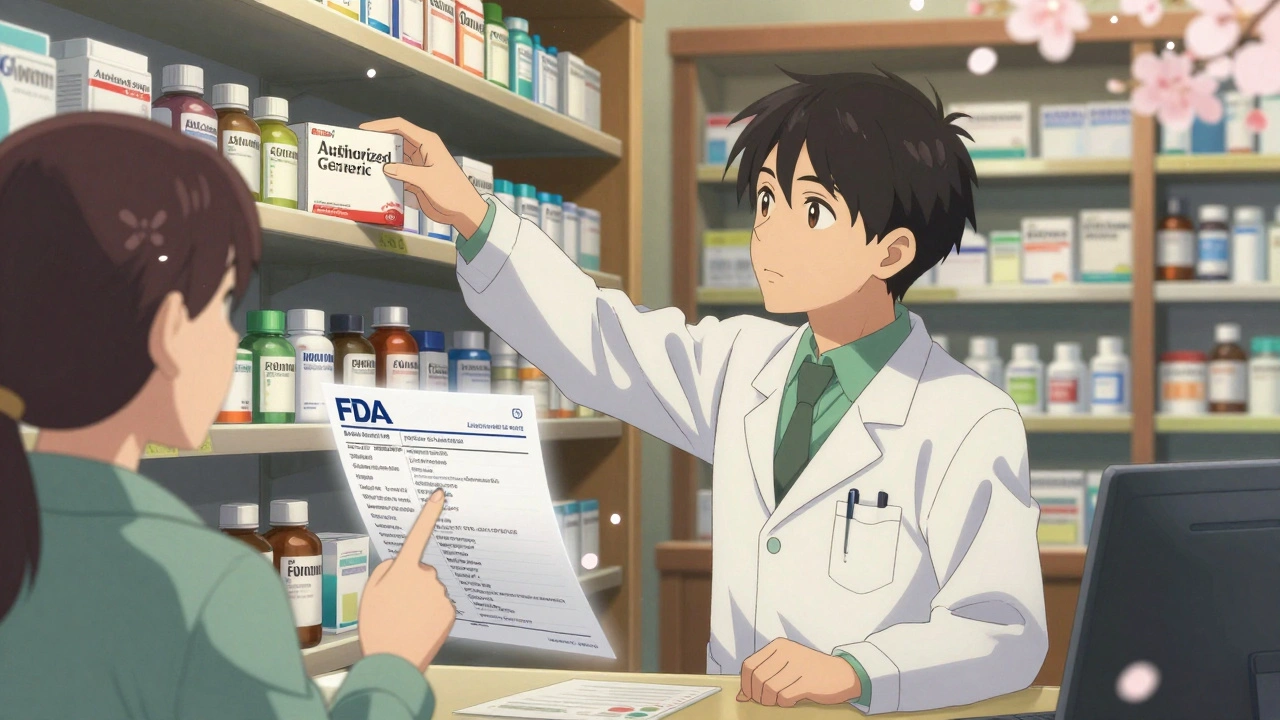
- Go to the FDA’s authorized generics page and search for your brand-name drug.
- Write down the manufacturer’s name and the exact strength.
- Call your pharmacy and ask: "Do you carry the authorized generic of [brand name]?" Give them the manufacturer name.
- If they don’t have it, ask if they can order it. Authorized generics often come from specialty distributors.
- Check the National Drug Code (NDC) Directory to match the manufacturer’s NDC number with the product.
For example, if you’re taking Propecia 1 mg finasteride tablets by Merck, the authorized generic is made by Merck too, but labeled as "finasteride 1 mg." The NDC number will be different from the brand version. Your pharmacist can look that up.
Don’t rely on online pharmacy lists or price comparison sites. Many don’t distinguish between authorized generics and regular generics. You could end up paying more than you need to.
What’s changing in 2026?
The FDA knows the PDF list is outdated. In their 2025 Strategic Plan, they said they’re building a searchable, dynamic database-expected to launch in Q2 2026. That means you’ll be able to search by drug name, manufacturer, or date, and possibly see real-time status (if it’s still on the market).
But even then, it won’t show pricing or availability. Those details still live with wholesalers and insurers. The FTC has also raised alarms: their analysis suggests 10-15% of authorized generics aren’t even reported to the FDA because companies don’t have to. There’s no penalty for forgetting to report.
Who benefits the most from authorized generics?
Not always the patient.
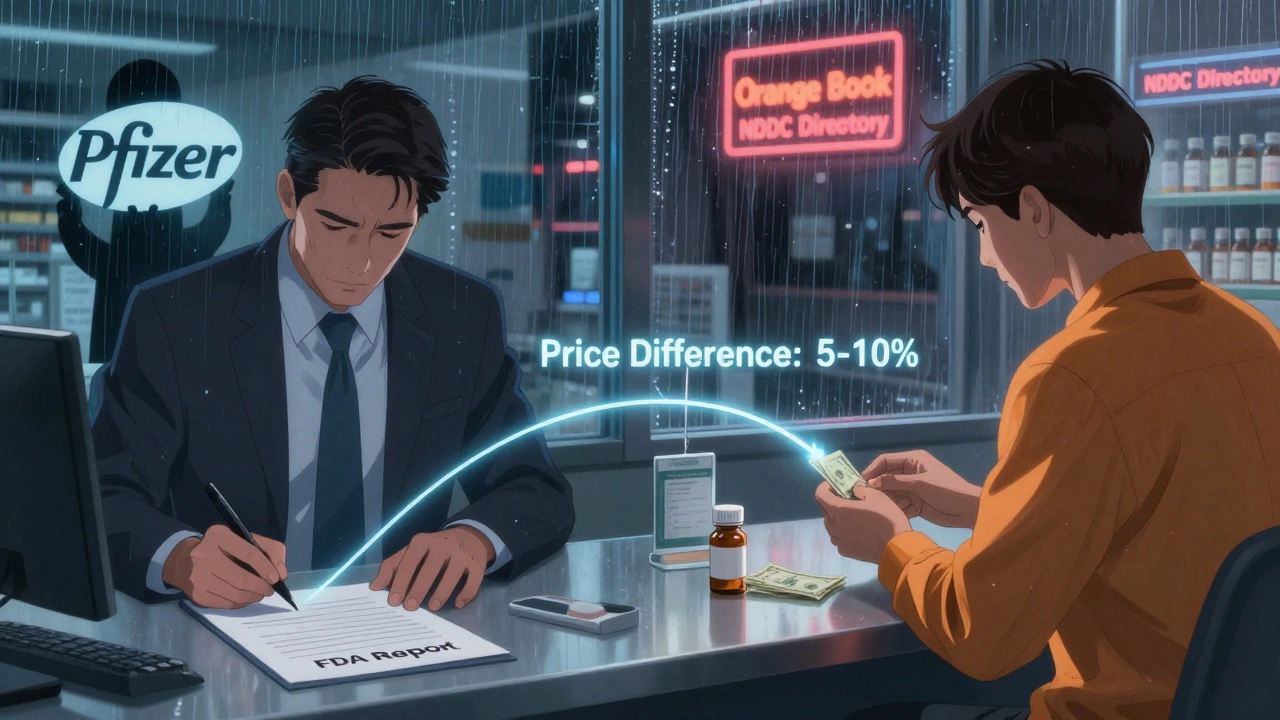
Harvard’s Dr. Aaron Kesselheim found that many authorized generics are priced only slightly lower than the brand name-sometimes just 5-10% cheaper. That’s not enough to make a real difference for someone paying out-of-pocket.
But for insurance companies and pharmacy benefit managers? Big savings. Authorized generics don’t trigger the 180-day exclusivity period that regular generics do. So if a brand company launches its own generic, it can block a cheaper competitor from dominating the market. That’s why companies like Pfizer and Teva use them as a business strategy.
For patients, the real win comes when you combine the FDA list with a good pharmacy. If your pharmacist knows to ask for the authorized version-and you’re willing to pay cash-you can often get the same drug for half the price of the brand.
What to do if the drug isn’t on the list
Just because a drug isn’t on the FDA’s authorized generics list doesn’t mean there’s no cheaper version. Many brand-name drugs have regular generics approved through ANDAs. Those appear in the Orange Book.
If you can’t find an authorized generic, check:
- The Orange Book for regular generics
- Drugs@FDA for all approved versions
- Your pharmacy’s discount program (like GoodRx or SingleCare)
And if you’re still unsure, ask your pharmacist to check the NDC Directory. They can tell you if a version exists-even if it’s not labeled as "authorized.""
Is an authorized generic the same as a regular generic?
No. A regular generic is made by a different company after the brand patent expires. An authorized generic is made by the original brand company, using the same formula and factory, just without the brand name. Both are therapeutically equivalent, but authorized generics are physically identical to the brand version.
Why isn’t my drug on the FDA authorized generics list?
There are a few reasons. The manufacturer may not have reported it to the FDA (they’re not required to). The drug may have been discontinued. Or it may not be an authorized generic at all-it could be a regular generic, which appears in the Orange Book instead. Always double-check with your pharmacist.
Can I trust the "Date Authorized Generic Entered Market" on the FDA list?
No. That date reflects when the company reported the drug in their annual FDA report-not when it actually hit the market. The FDA admits they don’t know the exact launch date. Don’t use it to determine if the drug is new or still available.
Do authorized generics cost less than brand-name drugs?
Sometimes, but not always. Many are priced only slightly lower than the brand-sometimes just 5-10% cheaper. The real savings come when you pay cash instead of using insurance. Ask your pharmacy for the cash price of the authorized generic versus the brand.
How do I know if my pharmacy carries an authorized generic?
Ask them directly. Give them the brand name and the manufacturer listed on the FDA’s authorized generics list. If they don’t have it in stock, ask if they can order it. Authorized generics are often stocked by specialty distributors, not all pharmacies carry them routinely.
If you’re trying to cut drug costs, the FDA’s authorized generics list is a starting point-not the finish line. Use it to ask smarter questions. Then work with your pharmacist to find the best price. That’s how you actually save money.
Comments
Shayne Smith
Just found out my pharmacy carries the authorized generic for my cholesterol med-saved me $40 a month. Why didn’t anyone tell me this sooner?
On December 5, 2025 AT 22:38
Brooke Evers
I’ve been using this trick for years and it’s been life-changing. My mom has diabetes and we were paying $200 a month for her insulin until we switched to the authorized generic-same pill, same manufacturer, $35 cash price. The FDA list is a mess, but if you call your pharmacist and give them the manufacturer name from the list, they’ll usually know what you mean. I even printed out the PDF and keep it in my wallet. It’s not perfect, but it’s the closest thing we’ve got to transparency in this broken system. Don’t assume your insurance will save you-cash often beats it. And if your pharmacist looks confused, just say, ‘Is this the one made by the same company as the brand?’ They get it. It’s not magic, just persistence. And yeah, the dates on the list are useless, but the manufacturer names? Gold. If you’re paying retail, you’re leaving money on the table.
On December 7, 2025 AT 00:34
Saketh Sai Rachapudi
USA always make thing so complicated! Why not just make all generic same price? India make generic drug for $1 and people live! FDA list? Ha! This is capitalist trick to make poor people pay more! I read this and feel anger! Why not ban brand name drug? Only generic allowed! No more profit from sick people!
On December 8, 2025 AT 09:50
joanne humphreys
I appreciate the depth of this breakdown. I spent hours last week trying to find an authorized generic for my thyroid med and ended up calling five pharmacies before one had it in stock. The FDA list felt like a treasure map with half the X’s erased. I did find that the NDC directory helped me confirm the exact product-something the FDA page doesn’t make obvious. I wish there was a way to crowdsource availability data, like a subreddit or a shared spreadsheet. It’s frustrating that the system is so opaque when the drugs themselves are identical. I’m hopeful the 2026 database update helps, but until then, talking to your pharmacist is still the most reliable method. They’re the unsung heroes of this whole process.
On December 8, 2025 AT 15:35
Nigel ntini
This is one of the most under-discussed issues in American healthcare. Authorized generics are a brilliant loophole in the drug pricing system, and the fact that the FDA tracks them at all is a small win. But you're absolutely right-the list is a relic. It's like having a weather report that only tells you the temperature from three days ago. Pharmacists are the real-time sensors here. I've worked in community pharmacy for 18 years, and I can tell you: if you give me the manufacturer name from the FDA list, I can usually track down the NDC and order it within 48 hours. It’s not glamorous, but it’s effective. The real tragedy is that most patients don’t know to ask. We need better public education-not more databases. Just teach people to say, ‘Is this made by the same company as the brand?’ That’s it.
On December 9, 2025 AT 04:18
Ashish Vazirani
....This is... just... unacceptable. The FDA... has a PDF... that’s... outdated... and... doesn’t even... say if the drug... is... still... being... made...? And... you’re telling me... people... are... dying... because... they... can’t... afford... their... meds... and... the... system... is... designed... to... confuse... them...? I... am... speechless... I... literally... can’t... breathe... right... now... this... is... a... national... scandal... and... no... one... is... talking... about... it...?!
On December 10, 2025 AT 18:37
Mansi Bansal
It is an egregious dereliction of duty on the part of the U.S. Food and Drug Administration to disseminate such an inadequately curated, semantically ambiguous, and functionally obsolete dataset under the guise of public transparency. The absence of real-time market status, distribution channels, and pricing mechanisms renders the list not merely incomplete, but actively misleading. One must question the ethical implications of permitting such a document to remain publicly accessible without a clear disclaimer that it is not fit for clinical or pharmaceutical procurement purposes. The pharmaceutical industry, in collusion with regulatory inertia, has created a labyrinthine facade of consumer empowerment, when in reality, it serves only to obfuscate and monetize. This is not transparency. This is performative governance.
On December 12, 2025 AT 03:14
pallavi khushwani
It’s wild how something so simple-like taking the same pill but with a different label-can be so hard to figure out. I used to think generics were just cheaper versions, but learning about authorized generics made me realize how much of the system is built on hidden details. My dad’s blood pressure med was one of them, and we only found out because his pharmacist noticed the manufacturer matched the brand. I wish more people knew this. It’s not about being a drug expert, it’s about asking the right question. ‘Who made this?’ That’s the magic phrase. And honestly, it makes me feel a little better about the system-because somewhere, someone’s trying to help, even if the tools are broken.
On December 13, 2025 AT 16:57
Dan Cole
Let me be crystal clear: the FDA’s authorized generics list is a joke. A bureaucratic Rube Goldberg machine designed to make you feel like you’re getting answers while actually feeding you breadcrumbs wrapped in legalese. The fact that companies don’t even have to report these drugs? That’s not oversight-that’s corporate capture. And don’t get me started on the 5-10% price drop. That’s not savings, that’s psychological manipulation. You’re being sold the illusion of choice while the same conglomerates own the brand, the authorized generic, AND the patent on the packaging. The real solution? Nationalize drug manufacturing. Or at least force the FDA to require real-time inventory feeds from manufacturers. Until then, this list is a placebo for transparency. And we’re all the patients.
On December 15, 2025 AT 08:03
Billy Schimmel
So… you’re telling me the drug I’m paying $120 for is literally the same pill as the $25 one… but I have to call my pharmacist and beg them to find it… and even then… they might not have it? …Wow. Just… wow. I guess I’ll just keep paying for the brand name. At least I know what I’m getting.
On December 15, 2025 AT 20:45