

When we talk about generic combinations, we're looking at the financial gap between taking two separate generic pills versus one "combo" pill that contains both active ingredients. While the combo pill is often more convenient, it isn't always the cheapest route. On the flip side, some individual generics are surprisingly overpriced, making "therapeutic alternatives" (different drugs that treat the same condition) the real money-savers.
| Substitution Type | Typical Savings | Primary Driver |
|---|---|---|
| High-Cost Generic → Therapeutic Alternative | Up to 88.3% | Clinical equivalence of different drugs |
| Brand Name → Generic Combination | 65% - 80% | Market competition (e.g., Wixela Inhub) |
| Brand Name → Individual Generic | 80% - 99% | High volume of competitors (e.g., Crestor) |
The Hidden Cost of "Cheap" Generics
Most people think a generic is a generic. But a 2022 study published in JAMA Network Open revealed a shocking disparity. Researchers looked at the top 1,000 generics in Colorado and found 45 "high-cost" generics that had alternatives with the exact same clinical value but cost a fraction of the price. In some cases, the high-cost version was 15.6 times more expensive than the alternative. If patients had switched to these lower-cost options, spending would have plummeted from $7.5 million to just over $870,000.
Why does this happen? Often, it's not about the chemistry, but the dosage. The study found that over 60% of these savings came from simply switching to a different dosage form or strength of the same drug. For instance, taking two 10mg tablets might be significantly cheaper than one 20mg tablet, even though the dose is identical. This is where patients and plan sponsors can find immediate relief by auditing which specific products are driving up costs.
Combination Products vs. Individual Generics
Combination products-drugs that pack two or more active ingredients into one pill or inhaler-are designed for convenience. But convenience usually comes with a price tag. Let's look at a real-world example from the respiratory world. For years, Advair Diskus was the gold standard for certain lung conditions. When Wixela Inhub is a generic version of the combination drug Advair Diskus entered the market, the price difference was stark. The average cost of Advair was about $334, while the generic Wixela Inhub dropped to $115-a 65.6% reduction.
However, if you compare a generic combination to two separate individual generics, the math changes. While a combo pill reduces the number of times you have to remember to take medicine, taking two separate generics is often the "bottom dollar" approach. The savings are massive because individual generics usually have more competitors. According to the FDA, when a market has around three competitors, prices drop by 20% within three years. When there are dozens of competitors, the price can crash by 80% or more.
The Role of Competition in Price Crashes
The number of companies making a drug is the biggest predictor of what you'll pay at the counter. The Association for Accessible Medicines reported that the top 10 most dispensed generics saved the system $89.5 billion in 2023 alone. Look at Crestor is a statin medication used to lower cholesterol ; once its generic version launched, the price per unit crashed from $5.78 to just $0.08. That's a 99% savings. Similarly, Prilosec generics saw a drop from $3.31 to $0.05 per unit.
This "price race to the bottom" is great for the wallet but can make the market fragile. Because the profit margins become so thin, some manufacturers stop making the drug, leading to the shortages we've seen recently. Generic shortages rose from 166 in 2012 to 258 by 2022. So, while you might save money, you might occasionally find your preferred generic is out of stock.
How to Actually Lower Your Medication Costs
If you're looking to save, you can't just ask for "the generic." You need to be more specific. Here is a practical approach to navigating these costs:
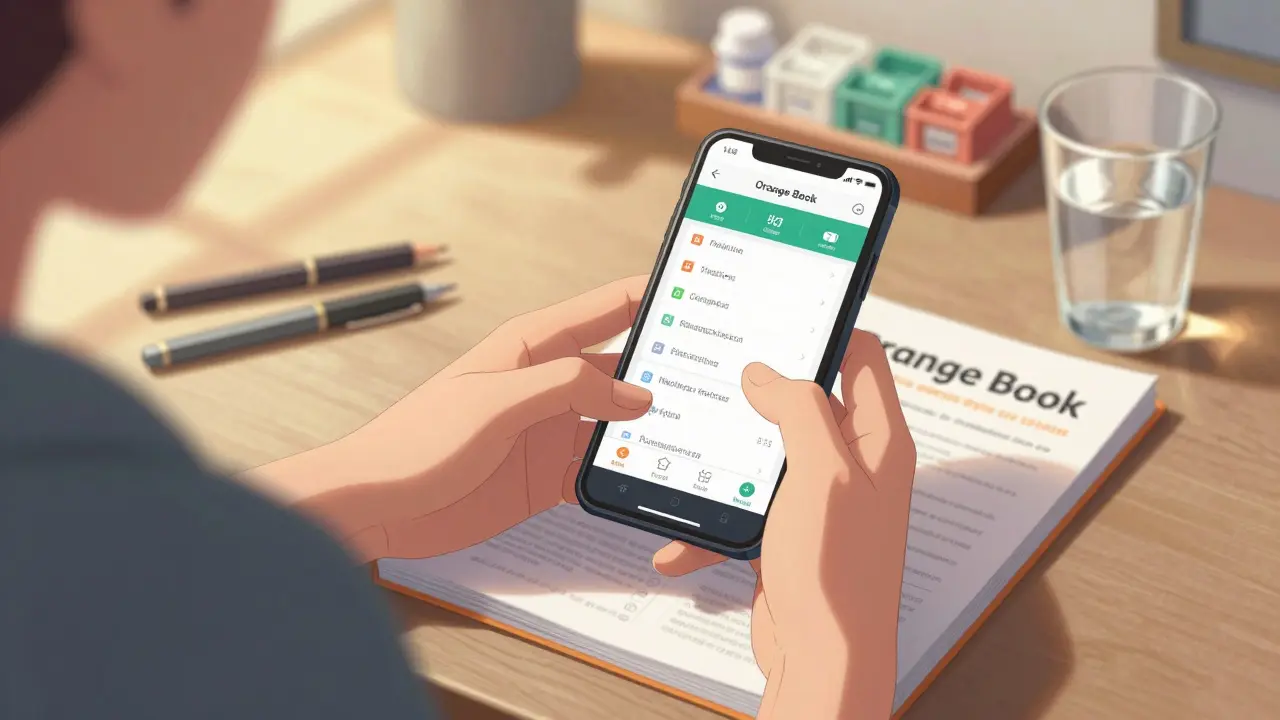
- Check the Orange Book: The FDA's Orange Book is the official publication for therapeutic equivalence of generic drugs . If a drug has an "A" rating, it's therapeutically equivalent, meaning it's a safe swap.
- Question the Dosage Form: Ask your pharmacist if a different strength (e.g., two 5mg pills instead of one 10mg pill) is cheaper.
- Explore Direct-to-Consumer Models: Some newer pharmacies, like Mark Cuban Cost Plus, bypass traditional middlemen. Data from JAMA Health Forum showed median savings of about $4.96 per prescription, with uninsured patients saving the most.
- Compare the "Combo" vs. "Separate": Ask your doctor if it's cheaper to take two individual generic medications rather than one combination product.
Navigating Insurance and Out-of-Pocket Costs
Your insurance plan (or lack thereof) determines how much of these savings actually reach your pocket. Interestingly, the people who stand to save the most from generic switching are often those without insurance. A study of over 843 million prescription fills showed that 28.9% of uninsured patients saw significant savings through generic alternatives, compared to only 7.1% of those with private insurance.
This happens because many insurance companies use "formularies"-lists of approved drugs. If a high-cost generic is the only one on the formulary, you're stuck paying that price (or the copay for it) even if a cheaper therapeutic alternative exists. This is why health economists like Dr. Melinda Buntin suggest that insurance plan sponsors should perform quarterly audits to find these "cost outliers" and update their lists to include cheaper, equivalent options.
Is a generic combination drug as effective as taking two separate generics?
Yes, provided they are therapeutically equivalent. The active ingredients are the same. The primary difference is the delivery method (one pill vs. two) and the cost. Always consult your doctor to ensure the specific combination is appropriate for your health needs.
Why are some generics more expensive than others if they are the same drug?
Pricing is driven by competition. If only one or two companies make a specific version or dosage of a generic, they can keep prices higher. When more manufacturers enter the market, prices usually crash. Additionally, some "combination" generics have higher overhead costs than simple single-ingredient generics.
What is a therapeutic alternative?
A therapeutic alternative is a different drug that is not chemically identical to the original but treats the same condition with similar clinical results. For example, if one generic statin is expensive, another different generic statin might be much cheaper while providing the same health benefit.
How can I find out if there is a cheaper version of my medication?
Start by asking your pharmacist if there is a therapeutically equivalent alternative or a different dosage strength that is cheaper. You can also check the FDA's Orange Book or use transparent pricing tools like the Mark Cuban Cost Plus Drug Company to see the raw cost of the medication.
Will switching to a cheaper generic affect my health?
If the drug is rated as therapeutically equivalent by the FDA, it should perform the same way in your body. However, some people react differently to the "inactive ingredients" (fillers and binders) used by different manufacturers. Always inform your doctor before switching medications.
Next Steps for Patients and Caregivers
If you're managing multiple prescriptions, the first step is a Medication Cost Audit. List every drug you take and identify which are "combination" products and which are "individual" generics. Bring this list to your pharmacist and ask: "Is there a therapeutic alternative for this high-cost item?" or "Would it be cheaper to take these as two separate generics instead of one combo pill?"
For those with private insurance, check your formulary every six months. Insurance companies update these lists frequently, and a drug that was expensive last year might have a new, cheaper generic competitor today. If you're uninsured, look into cost-plus pharmacies or patient assistance programs to bypass the traditional retail markup.
Comments
Spencer Farrell
One must consider that the systemic inefficiency described here is merely a symptom of a deeper ontological crisis within the capitalist healthcare framework. The disparity in pricing is not a glitch, but a designed feature to ensure that the hegemony of pharmaceutical conglomerates remains unchallenged. It is quite simplistic to assume that a mere audit would rectify a structural imbalance rooted in the commodification of human longevity.
On May 2, 2026 AT 04:46
Allison Maier
too long didnt read. just buy the cheap one lol :P
On May 2, 2026 AT 13:08
Kelly Feehely
You're all just sheep following the 'Orange Book' like it's the gospel! The FDA is basically a revolving door for Big Pharma executives, and these 'therapeutic alternatives' are just another way for them to manipulate the market and test different fillers on us without us knowing. If you think a 'safe swap' is actually safe, you're delusional. They want us dependent on these specific dosages to keep the pricing volatile so they can trigger these 'shortages' whenever they feel like hiking the price again. Wake up and stop trusting a government agency that's paid for by the very companies they're supposed to regulate!
On May 3, 2026 AT 16:04
Jenny X
The pharmacological synergy in combo pills is often a smokescreen for price gouging. I've looked into the bioavailability of these separately sourced generics, and the exogenous variables introduced by different inactive binders are highly suspicious. It's an algorithmic pricing strategy designed to maximize the capture of the uninsured demographic while keeping the insured in a loop of formulary restrictions. Precisely the kind of systemic obfuscation used to hide the real margins from the end-user.
On May 5, 2026 AT 14:51
bharat films
Imagine thinking a 'medication cost audit' is a real solution 🤡. The math is basic, but the execution is a joke. The market is rigged and these 'savings' are just crumbs from the table 📉💸. Absolute waste of time reading this lol 🤣
On May 5, 2026 AT 22:08
Mikaela -anonymous 😏
Oh wow... another 'life hack' that involves doing a ton of homework just to not get robbed by your own pharmacy!!! How revolutionary... truly a testament to the beauty of our healthcare system... 🙄🙄🙄
On May 6, 2026 AT 21:39
kelvin villa saab
Listen, you gotta be your own advocate. I seen people paying way too much cuz they too lazy to ask the pharmacist about the 5mg x2 thing. Its common sense really, tho most people just let the system walk all over them. Get your stuff together and stop complaining about the price if your not even asking for the generic alternatives!!!
On May 7, 2026 AT 21:19
Kartik Agarwal
For those unfamiliar with the term, therapeutic equivalence refers to the clinical outcome being identical even if the molecular structure differs slightly. It's important to recognize that pharmacists utilize a specific set of pharmacokinetic parameters to ensure these substitutions are safe. We should encourage patients to leverage this knowledge to optimize their therapeutic index while minimizing financial toxicity.
On May 8, 2026 AT 16:47
princess lovearies
I think it's really helpful to realize we have options. It can feel overwhelming, but just taking one small step like talking to your pharmacist can make a huge difference in your stress levels. We're all just trying to take care of ourselves and our loved ones, so let's just be kind to each other while we navigate this.
On May 9, 2026 AT 20:18
Seema Karanje
STOP BEING SO PASSIVE! If you are paying 15 times more for the same drug, you are literally throwing your money away! Go to your doctor RIGHT NOW and demand the cheaper alternative! No more excuses, no more 'waiting for the formulary' to update! Take control of your health and your wallet today!
On May 10, 2026 AT 17:54
Elizabeth Holden
this is just basic stuff lol. anyon with a brain knows generics are cheaper. the whole 'combo' thing is just a trick for people who cant remember to take two pills. its not that deep and the 'study' probably just proves what we already know about greed.
On May 11, 2026 AT 20:01
Jimmy Crocker
One might find it rather quaint that some people are only now discovering the egregious nature of pharmaceutical pricing, as if the blatant discrepancy between manufacturing costs and retail markups wasn't already a well-documented facet of the industry's inherent greed... although, I suppose for the uninitiated, the revelation that a 'combo' pill is merely a convenience fee for the cognitively averse is a bit of a shocker, isn't it?
On May 13, 2026 AT 01:40