
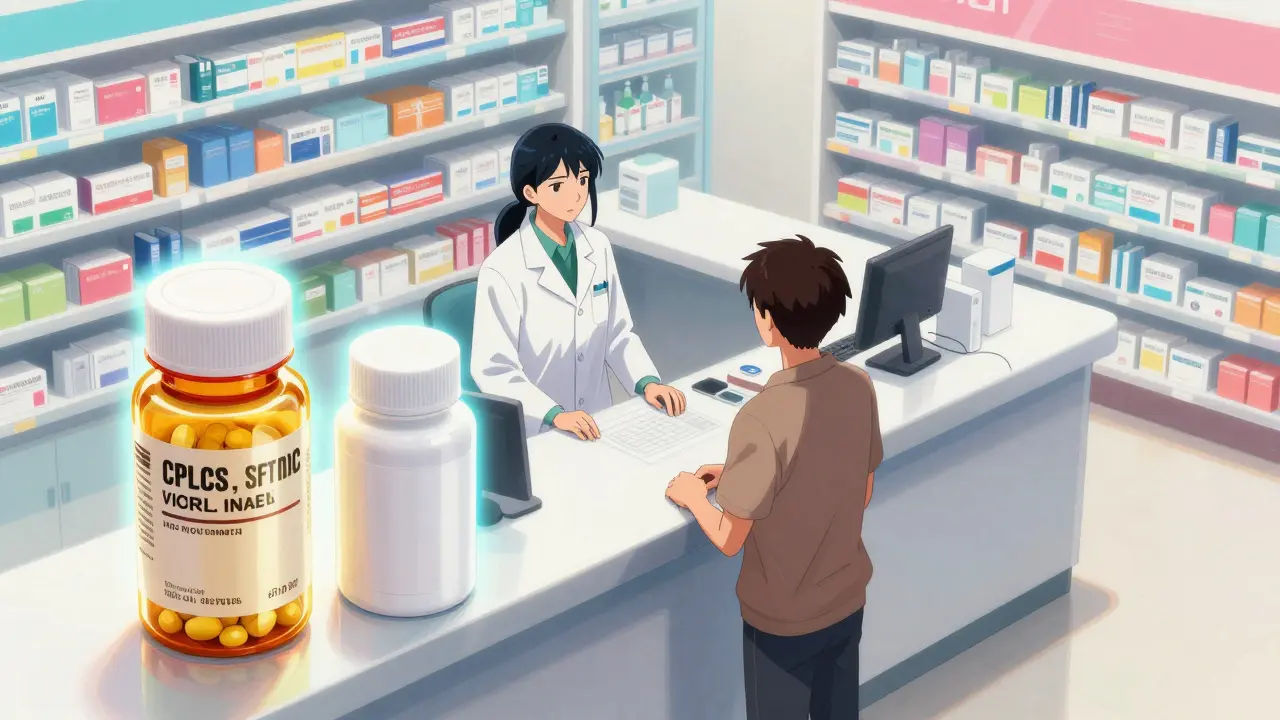
You've just left your doctor's office with a new prescription, and when you get to the pharmacy, you're faced with a choice: the expensive brand-name version or a much cheaper generic. For many, this feels like a gamble. Is the cheaper version actually a "knock-off," or is it just the same medicine in a different bottle? The reality is that for the vast majority of people, the difference is purely financial, not clinical. However, knowing how to navigate this conversation with your healthcare provider can save you thousands of dollars and ensure you're getting the most effective treatment for your specific body.
Key Takeaways for Your Next Visit
- Therapeutic Equivalence: Approved generics must have the same active ingredients and work the same way as brand-name drugs.
- Cost Savings: Generics typically cost 80-85% less than brand-name versions.
- Visual Differences: Differences in color, shape, or taste are due to inactive ingredients and trademark laws, not quality.
- The Exception: "Narrow therapeutic index" drugs may require a more cautious approach when switching.
What Actually Happens When a Drug Goes Generic?
To understand the conversation you'll have with your doctor, it helps to know how the system works. When a company develops a new drug, they get a patent that usually lasts about 20 years. This gives them a monopoly to recover their research and development costs. Once that patent expires, other companies can apply to create a generic version.
In the United States, the FDA is the federal agency responsible for protecting public health by ensuring the safety, efficacy, and security of human drugs. For a drug to be approved as a generic, it must be "bioequivalent." This means the Generic Medication is a pharmaceutical drug that is chemically identical to the brand-name version in terms of active ingredients, strength, and dosage form. It doesn't have to be tested in the same massive clinical trials as the original because the active ingredient has already been proven safe.
Think of it like buying a generic brand of salt. Whether it has a fancy label or a plain white one, the sodium chloride is the same. The same logic applies to most medications. In fact, about nine out of ten prescriptions filled in the U.S. today are generics.
The Real Differences: Active vs. Inactive Ingredients
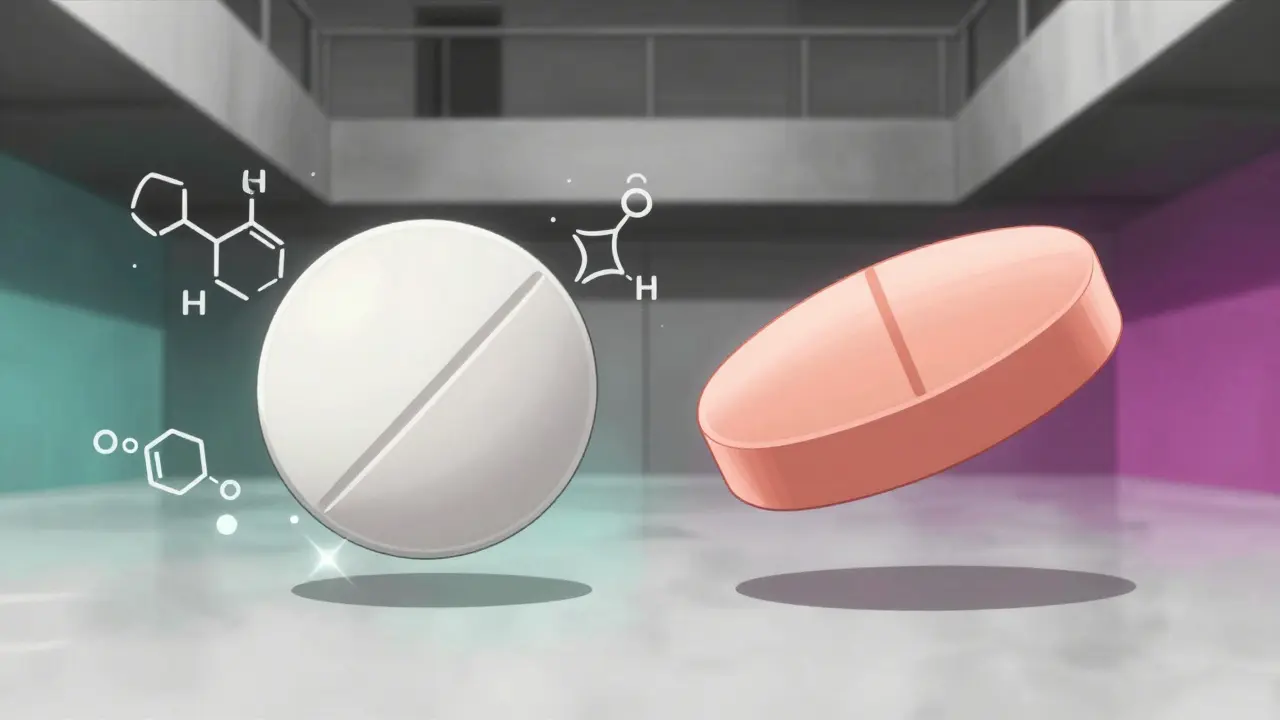
If they are the same, why do they look different? Trademark laws prevent generic companies from copying the exact look of a brand-name pill. This is why your medication might change from a round white pill to an oval peach one. These changes involve Inactive Ingredients, which are substances like binders, fillers, and flavorings that do not affect the drug's therapeutic outcome.
While these don't change how the drug treats your condition, they can occasionally cause an issue. For example, if you have a specific allergy to a certain dye or filler used in a generic version, you might react to it even if the active medicine is perfect. This is a primary reason why transparency with your doctor about allergies is vital.
| Feature | Brand-Name | Generic |
|---|---|---|
| Active Ingredient | Original Formula | Identical to Original |
| FDA Safety Standards | Strict | Strict (Bioequivalent) |
| Cost | High (due to R&D/Marketing) | Low (80-85% cheaper) |
| Appearance | Consistent | Varies by manufacturer |
| Inactive Ingredients | Standardized | May vary |
When Should You Be Cautious?
While generics are safe for most, there is a small category called Narrow Therapeutic Index (NTI) drugs. These are medications where a very small difference in the dose or blood concentration can lead to a serious failure in treatment or a dangerous side effect. Examples include some seizure medications or blood thinners like warfarin.
For NTI drugs, some doctors prefer you stay on one specific brand-whether it's the brand-name or a specific generic manufacturer. This is because different manufacturers might have tiny variations in how the body absorbs the drug. While the FDA allows a range of bioavailability, a switch from one generic manufacturer to another could theoretically cause a slight fluctuation in your blood levels. If you are taking medication for epilepsy or heart rhythm, this is a key point to bring up during your appointment.
How to Start the Conversation with Your Provider
Many patients feel awkward talking about money with their doctors, but providers actually want you to be honest. If a medication is too expensive, you might skip doses or stop taking it entirely, which is a much bigger health risk than switching to a generic.
Start by being direct. You can say, "I'm concerned about the cost of this medication. Is there a generic version that is just as effective for my specific condition?" If your doctor says "dispense as written" on the prescription, they are explicitly telling the pharmacy not to substitute it. If you see this on your script, ask why. There may be a clinical reason, or they may simply be used to prescribing the brand they know.
Questions you should ask your doctor:
- Is there a generic version available for this drug?
- Given my health history, is there any reason the brand-name version would work better for me?
- If I switch to a generic, are there specific symptoms I should monitor to ensure it's working the same way?
- Would you be comfortable with the pharmacy substituting a generic if one becomes available?
Working With Your Pharmacist
Your doctor prescribes the medicine, but your pharmacist is the one who actually hands it to you. They are often the best resource for real-time pricing and availability. If your doctor has written a prescription for a brand-name drug but hasn't forbidden the generic, the pharmacy will often automatically give you the generic because of state laws designed to save patients money.
If you notice your medication looks different one month than it did the last, don't panic. Check with the pharmacist to see if the manufacturer changed. As long as the active ingredient and dosage remain the same, this is normal. If you find that a specific generic manufacturer doesn't seem to work as well for you, tell your pharmacist. They can often request a different generic manufacturer from the wholesaler.
Overcoming the "Placebo" and "Nocebo" Effects
It's a strange quirk of human psychology: some people feel a drug doesn't work as well simply because it's cheaper. This is known as the nocebo effect. When we expect a lower-cost product to be inferior, our brain can actually create physical symptoms or a perception of reduced efficacy.
If you find yourself thinking, "I just don't feel the same way on the generic," try to track your symptoms objectively. Use a log or a health app to record your progress. Often, when you look at the hard data, the generic is performing exactly as the brand-name did. If the data shows a real drop in efficacy, then it's time to go back to your doctor and discuss a change.
Are generic drugs less potent than brand-name drugs?
No. The FDA requires generic drugs to have the same active ingredient, strength, and dosage form as the brand-name version. They must be bioequivalent, meaning they deliver the same amount of active ingredient into the bloodstream at the same rate.
Why does my generic medication look different every time I refill it?
Pharmacies often source generics from different manufacturers based on availability and cost. Since laws prevent generics from looking exactly like the brand-name version, different manufacturers use different colors and shapes. This does not affect the medicine's efficacy.
Can I switch from brand-name to generic at any time?
In most cases, yes. However, you should always consult your doctor first, especially if you are taking medications for critical conditions like seizures or heart issues, where consistency in the manufacturer is more important.
What is the difference between a generic and a biosimilar?
Generics are copies of simple chemical drugs. Biosimilars are versions of "biologics," which are complex medicines made from living cells. Because biologics are so complex, a biosimilar isn't an exact chemical copy but is "highly similar" and provides the same clinical result.
What should I do if I can't afford the brand-name drug my doctor prescribed?
Be honest with your provider. Ask if a generic is available or if there is a therapeutic alternative in the same class of drugs that is more affordable. You can also ask your pharmacist about manufacturer coupons or discount programs.
Next Steps for Your Health Budget
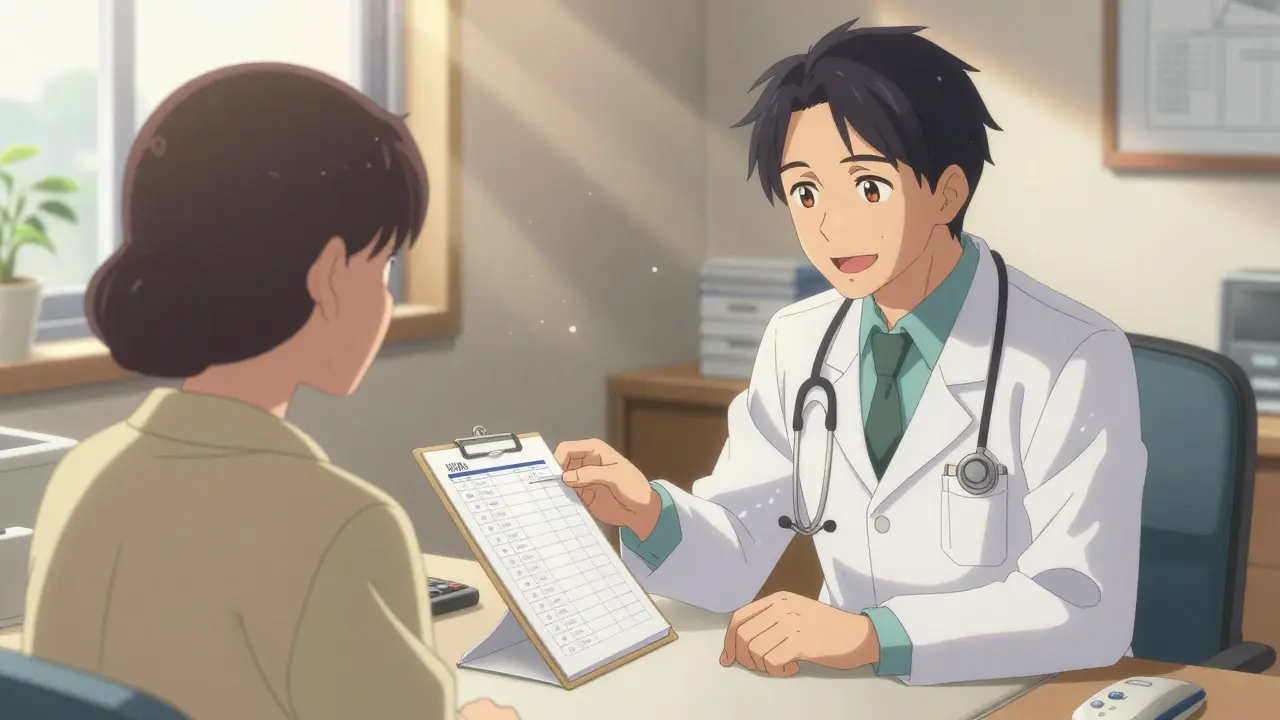
If you're looking to lower your monthly medication costs, start by auditing your current prescriptions. Make a list of everything you take and mark which ones are brand-name. During your next check-up, bring this list and specifically ask your provider if any of those can be switched to a generic without risking your health.
If you have a complex condition and are worried about switching, ask your doctor for a "transition plan." This might involve switching one medication at a time and monitoring your symptoms for two weeks before moving to the next. This takes the guesswork out of the process and gives you peace of mind that your treatment remains stable.
Comments
Brittney Prince
Yeah right, "bioequivalent" is just a fancy word the FDA uses to cover their backs while the big pharma companies push cheap junk from overseas into our systems to save a buck. I bet the fillers are basically industrial sludge and they just don't tell us what's actually in there because they know we'd freak out if we saw the real list.
On April 24, 2026 AT 05:34
Sharyl Foster
Actually, the whole "same active ingredient" argument is such a simplification that it's almost lying. The pharmacokinetics can vary wildly between a brand and a generic, and pretending a a tiny percentage of difference doesn't matter is just ignorant. Some people actually feel the difference, regardless of what some chart says.
On April 25, 2026 AT 22:53
Michael Deane
It's a damn shame that we even have to worry about this stuff when American ingenuity is what created these drugs in the first place and we're just letting other countries copy our homework and sell it back to us for cheap, but hey, if it keeps the costs down for the hardworking people in this country then I guess we just suck it up and deal with the different colored pills because that's just how the modern world works now!
On April 27, 2026 AT 21:48
Andre Ojakäär
obviously the most basic thing here is the apathetic nature of the pharmacy industry... it is a total catastrophe that they swap manufacturers without a word to the patient just to squeeze a few cents more profit... absolutely tragic
On April 29, 2026 AT 06:00
Eric Mwiti
Oh sure, because we all know the government and the pharmaceutical industry are just shining examples of transparency and honesty. I'm sure the "inactive ingredients" are just sparkling fairy dust and definitely not something that affects how the drug actually hits your system.
On April 29, 2026 AT 11:56
Jon Moss
I've just stuck with generics for years and never really noticed a difference.
On April 29, 2026 AT 18:26
Nila Sawyer
Oh my goodness, this is such a wonderful guide for everyone who is feeling overwhelmed by their medical bills! 🌟 I truly believe that by being open and honest with our amazing doctors, we can all find a path toward healing that doesn't break the bank, and it's just so heartening to see information that empowers us to take charge of our wellness journey with a smile on our faces! ✨ Keep shining and stay positive everyone, because your health is your greatest wealth and we are all in this together! 💖🌈🌸
On May 1, 2026 AT 05:04
Michael Chukwuma
I can definitely see why some people would be nervous about switching, especially with those NTI drugs mentioned.
On May 2, 2026 AT 07:24
sachin singh
The distinction between generics and biosimilars is quite an illuminating point. It provides a necessary layer of understanding for those of us utilizing more complex biologic treatments who might have otherwise assumed they were simple chemical copies.
On May 3, 2026 AT 20:04