

Imagine you’re in the middle of a chaotic kitchen remodel. Dust is everywhere, contractors are drilling holes in the walls, and your usual cabinet where you keep your blood pressure pills is covered in plastic sheeting. Or maybe you’re packing boxes for a cross-country move, frantically trying to decide what goes in the car and what stays behind. In these moments of transition, your medications often get pushed to the back burner-literally and figuratively. But here’s the hard truth: leaving your prescriptions in a hot car, a damp bathroom, or an unlocked box isn’t just inconvenient; it can render them ineffective or even dangerous.
We know that 55% of Americans regularly take prescription medication. That’s more than half the population relying on daily doses to stay healthy. Yet, there is almost no official guidance from major health organizations on how to handle these critical supplies during household disruptions like renovations or moves. This gap leaves many people vulnerable to accidental overdoses, lost medications, or spoiled drugs that silently lose their potency. If you are navigating a home project or a relocation, you need a concrete plan to keep your medicines safe, secure, and effective.
The Temperature Trap: Why Your Car Is Not a Medicine Cabinet
The biggest mistake people make when moving or renovating is treating medications like regular luggage. You might toss your insulin, heart meds, or antibiotics into the trunk of your car or leave them in a suitcase by the window while painters work nearby. This is a recipe for disaster. According to guidelines from Baystate Health, non-refrigerated medications require storage between 59°F and 77°F (15°C-25°C). They need cool, dry places away from direct sunlight and moisture.
During summer months, the interior of a parked car can easily exceed 120°F (49°C) within minutes. Even if you don’t feel the heat outside, your vehicle becomes an oven. The U.S. Environmental Protection Agency (EPA) explicitly warns against storing medications in vehicles exposed to extreme temperatures. When drugs like nitroglycerin or certain liquid antibiotics hit high heat, their chemical structure breaks down. You won’t see this change-it looks fine-but it won’t work when you need it most.
For those with refrigerated needs, such as insulin or certain biologics, the stakes are even higher. These require temperatures between 36°F-46°F (2°C-8°C). Insulin, being a protein, becomes unstable if frozen. There is no visual way to tell if your previously frozen medication is still good. If you’re moving, you cannot rely on a standard cooler without careful monitoring. You need insulated containers with temperature indicators to ensure your cold chain remains unbroken during transit.
Humidity and Sunlight: The Silent Destroyers
If heat is the enemy of stability, humidity is the enemy of integrity. Many people instinctively store medicines in the bathroom because that’s where they take them. However, Consumer Reports confirms that 100% of medications should be kept away from bathroom environments. The steam from a shower creates a humid environment that accelerates the breakdown of pharmaceutical compounds. Blood glucose strips, for example, can give inaccurate readings if exposed to this moisture.
During renovations, this risk multiplies. If your primary storage area is a bathroom cabinet and that room is under construction, you might temporarily move meds to a windowsill or a shelf near a heater. Avoid this at all costs. Medications do not tolerate sunlight well. UV rays degrade active ingredients, causing them to lose potency over time. Instead, create a temporary "safe zone" in a hall closet or a kitchen cabinet away from moisture sources. Covenant Health recommends creating a specific, well-organized area dedicated to medication storage. During a renovation, this means picking a spot in an unaffected part of your home that is cool, dry, and out of direct light.
Security First: Locking Down Access During Chaos
When your home is in disarray, security protocols often slip. Contractors may be coming and going, friends might help you pack, and children could be running around in unfamiliar spaces. The EPA strongly recommends that households store medicines in a locked cabinet, closet, or safe to prevent unwanted access. This is especially critical for medications that pose a serious risk in low doses, such as opioids, sedatives, or stimulants.
You don’t need a bank vault. A robust locking compartment works. Consider using a small fireproof safe, a gun safe, or even a portable lockbox designed for travel. The key is to limit access and resist tampering. Safe Kids Worldwide specifies that medicine should be stored out of sight in a high cabinet or drawer, at or above counter height, where children can’t see or reach it. During a move, this means never leaving pills loose in a box. Keep them in their original prescription bottles inside a locked container.
Why does this matter? Hennepin Healthcare research indicates that improper storage during household transitions leads to accidental overdose risks when medications become disorganized or accessible. If you’re renovating, you might have guests staying over or workers on site. If you’re moving, you might have helpers unpacking. Loose pills look like candy to a child or can be mistaken for other substances. Keeping everything locked up protects your family and prevents liability issues if someone else accidentally ingests your medication.
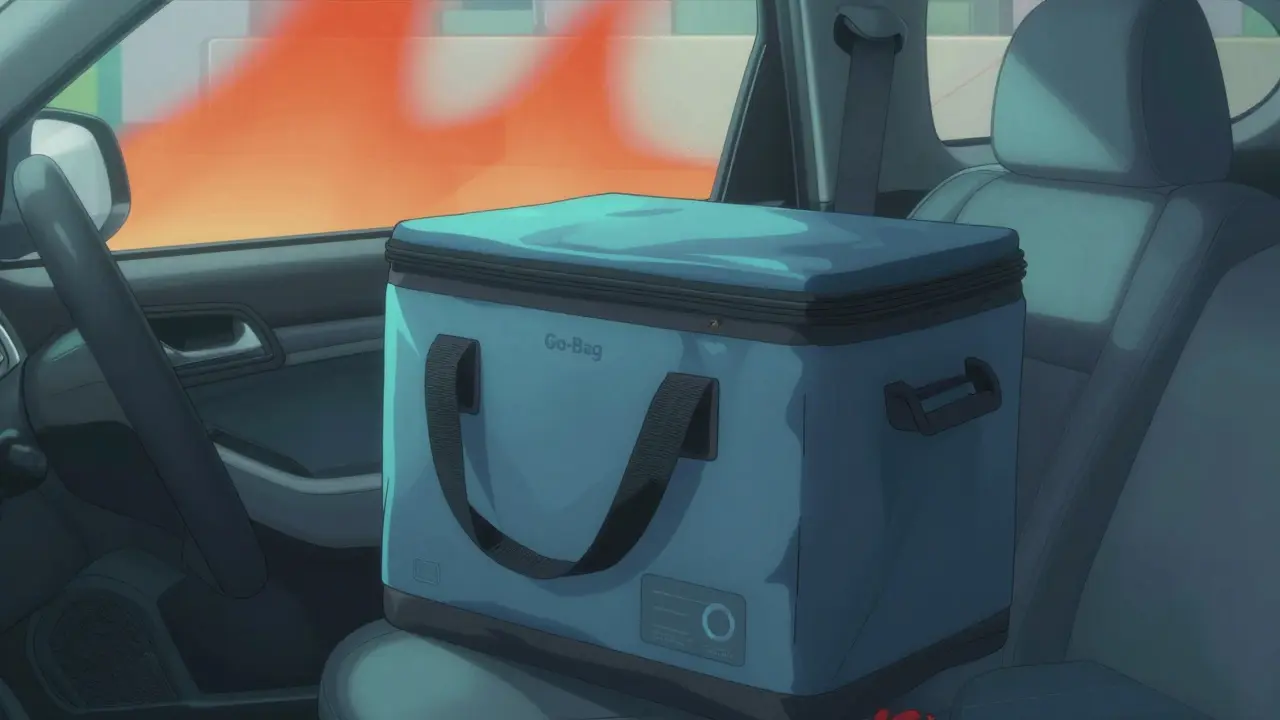
Packing Smart: What Goes in the Go-Bag
When the moving truck arrives, do not pack your essential medications in the main load. Those boxes will sit in a warehouse or the back of a truck for days, subject to temperature swings and rough handling. Instead, create a "Go-Bag" or carry-on kit for your medicines.
- Essential Supplies Only: Pack only what you need for the first 1-2 weeks at your new location or during the renovation downtime. Leave the bulk stock in a secure, climate-controlled space if possible.
- Original Containers: Never transfer pills to generic bags or pill organizers for transport. Keep them in their original prescription bottles. This ensures proper identification, dosage instructions, and expiration dates are visible. It also prevents medication errors if you need emergency care during the move.
- Documentation: Include copies of your prescriptions and a list of your medications. If a box gets lost or stolen, you’ll need this information to get replacements quickly from a pharmacy near your new address.
- Temperature Monitoring: For sensitive drugs, use a digital thermometer with a min/max display in your bag. Check it upon arrival to verify the conditions were safe.
If you are renovating and cannot access your current storage, treat your temporary stash like this Go-Bag. Keep it with you personally, not left in the house with contractors. Carry it in your purse, briefcase, or a locked bag that stays in your vehicle (but not in the trunk). Remember, the goal is to maintain the 59°F-77°F range and keep it out of sight.
Cleaning House: Disposal Before You Move
Moving or renovating is the perfect time to audit your medicine cabinet. Do you have expired pills? Old antibiotics from a childhood illness? Partially used tubes of cream that never got finished? Holding onto these "just in case" creates clutter and risk. A PubMed study reveals that 67% of households save unwanted or expired medications for later use or dispose of them improperly via the sink, toilet, or garbage. This is dangerous and environmentally harmful.
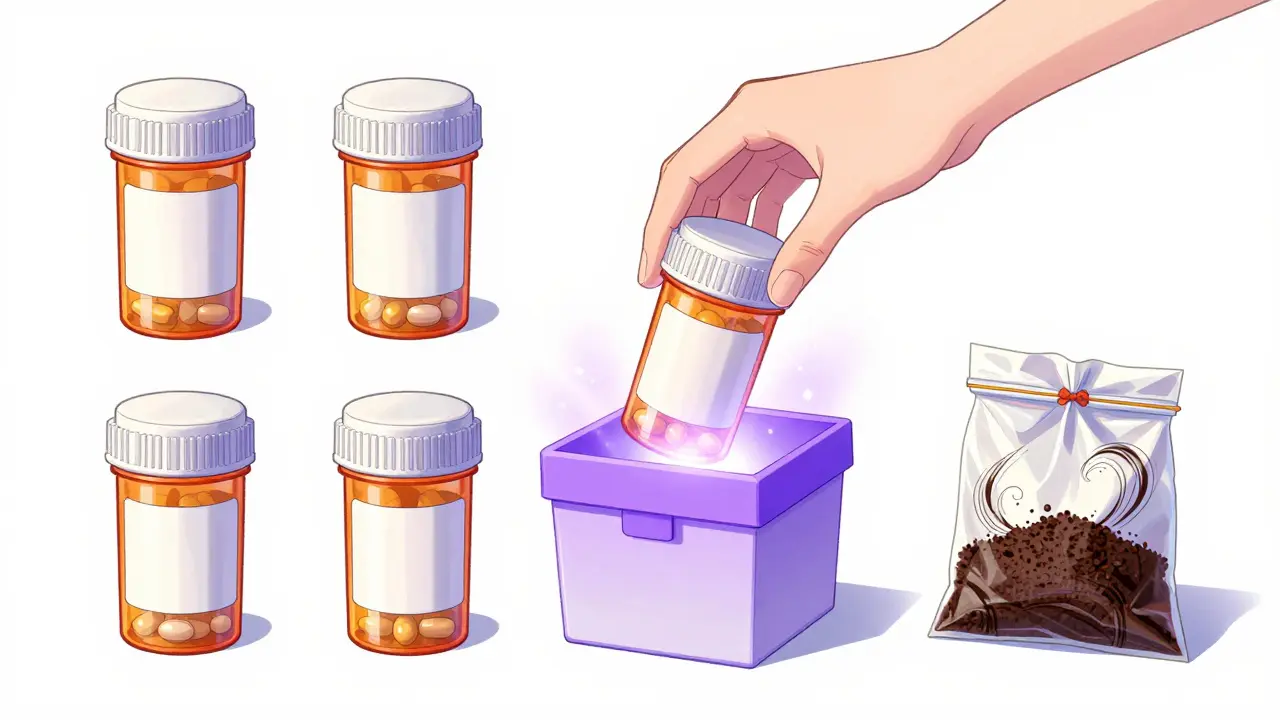
The EPA strongly recommends using drug take-back options whenever available. Pharmaceutical waste managed through take-back programs is incinerated at permitted facilities with strict emission controls. Look for local pharmacies, hospitals, or law enforcement agencies that offer drop-off boxes. Many communities have permanent collection sites or periodic take-back events.
If take-back is not an option, follow these steps for non-hazardous medications:
- Remove drugs from their containers.
- Mix them with an unappealing substance like cat litter, dirt, or used coffee grounds.
- Place the mixture in a resealable plastic bag.
- Dispose of the bag in your household trash.
However, some controlled substances must be handled differently. Fentanyl patches (such as Abstral and Actiq) and hydrocodone products (like Norco and Vicodin) should not be thrown in the trash due to high abuse potential. Consumer Reports notes that these specific drugs should be flushed down the toilet according to FDA guidelines. While flushing seems drastic, the risk of accidental ingestion or diversion outweighs the environmental impact for these potent opioids. Always check the label or consult your pharmacist for specific disposal instructions for each medication.
Consulting Professionals: Don’t Guess, Ask
Every medication has unique storage requirements. Some need refrigeration, others need protection from light, and some are stable at room temperature. Before you start packing or clearing out cabinets, speak to your doctor or pharmacist. Covenant Health advises patients to discuss storage concerns with healthcare providers. They can tell you which of your meds are flexible and which are fragile.
For example, if you’re taking a biologic injection, ask your nurse about portable cooling devices. If you’re on multiple prescriptions, ask if any can be consolidated or adjusted during the transition period. Professional guidance adds a layer of safety that general advice cannot provide. It transforms a stressful logistical challenge into a manageable plan.
Can I store my medications in the glove compartment while moving?
No, you should avoid storing medications in the glove compartment or trunk of a car. Temperatures inside a vehicle can fluctuate wildly, exceeding the safe range of 59°F-77°F (15°C-25°C) for most drugs. Heat can degrade active ingredients, making them less effective or unsafe. Keep essential meds with you in the passenger cabin, ideally in an insulated bag, and avoid parking in direct sunlight.
What should I do with expired medications before a move?
Do not pack expired medications. Dispose of them properly before you move. Use a drug take-back program if available. If not, mix non-hazardous pills with cat litter or coffee grounds, seal them in a bag, and throw them in the trash. Potent opioids like fentanyl or hydrocodone should be flushed per FDA guidelines. This reduces clutter and prevents accidental ingestion by children or pets in your new home.
How do I keep insulin cool during a long-distance move?
Insulin requires temperatures between 36°F-46°F (2°C-8°C). For long moves, use a specialized insulated cooler bag with ice packs, but ensure the insulin does not freeze. Freeze damage ruins insulin permanently. Monitor the temperature with a digital thermometer. If possible, carry the insulin in the air-conditioned passenger cabin rather than the trunk. Plan to replace insulin if it was exposed to freezing temperatures.
Is it safe to store meds in a hotel room during a renovation?
It can be safe if you take precautions. Hotel bathrooms are often humid, so avoid storing meds there. Use the hotel mini-fridge only if you are sure it maintains a consistent temperature and is clean. Ideally, use a portable lockbox or keep medications in your personal bag. Ensure the room is cool and dry. If you have children, never leave medications accessible on nightstands or counters.
Should I transfer pills to a pill organizer for easier packing?
No, keep medications in their original prescription bottles during moves or renovations. Original containers provide crucial information like dosage, expiration date, and patient name. If you need emergency medical care, having identifiable bottles helps paramedics and doctors understand your regimen. Pill organizers lack this data and increase the risk of medication errors or confusion.