

Licorice Medication Interaction Checker
Check if your licorice consumption may interact with common medications. Glycyrrhizin in licorice can dangerously interact with certain drugs. This tool provides general guidance only - always consult your doctor.
Key facts:
- Glycyrrhizin content: 2mg per gram of licorice
- European safety limit: 100mg glycyrrhizin daily
- High-risk medications can cause dangerous interactions even at lower doses
Most people think of licorice as just a sweet, chewy candy - something you grab at the checkout or share with kids during a train ride. But if you’re taking any kind of medication, that little black stick could be quietly messing with your body in ways you’d never expect. It’s not just about sugar. The real culprit is glycyrrhizin, a compound found in real licorice root that acts like a hormone in your system. And when it teams up with common drugs, the results can be dangerous - even life-threatening.
What’s Really in Your Licorice?
Not all licorice is the same. In the UK and Europe, traditional black licorice is made from the root of Glycyrrhiza glabra, which contains glycyrrhizin. But in the U.S., many products labeled "licorice" are actually flavored with anise oil - which has zero glycyrrhizin. So if you’re eating red licorice or candy that tastes like licorice but doesn’t say "real licorice root" on the label, you’re probably fine. But if you’re snacking on dark, chewy, slightly bitter licorice sticks - especially imported ones - you’re consuming a substance with real pharmacological power. Glycyrrhizin blocks an enzyme called 11β-HSD2, which normally protects your body from excess cortisol. When this enzyme is turned off, cortisol starts acting like aldosterone - a hormone that makes your kidneys hold onto salt and flush out potassium. The result? Water retention, high blood pressure, and dangerously low potassium levels. These effects don’t show up overnight. They build up over weeks. But once they do, they’re hard to reverse without medical help.How Licorice Messes With Your Medications
The biggest risk isn’t just licorice on its own. It’s what happens when it meets your pills. Here are the most common and dangerous combinations:- High blood pressure meds - If you’re on lisinopril, enalapril, or other ACE inhibitors, licorice can cancel out their benefits. One Reddit user reported his BP jumping from 120/80 to 165/95 after eating just 30g of licorice daily for three days. His doctor had to adjust his dose.
- Diuretics - Thiazide and loop diuretics (like furosemide) make you lose potassium. Licorice does the same. Together, they can crash your potassium levels below 3.0 mmol/L - enough to cause muscle weakness, irregular heartbeat, or even cardiac arrest.
- Warfarin and other blood thinners - Some studies show licorice can make warfarin stronger, increasing bleeding risk. Others show it can weaken it, causing dangerous clots. Either way, your INR becomes unpredictable. One 92-year-old woman saw her INR drop suddenly after eating licorice while on phenprocoumon - a rare but documented case.
- Digoxin - Low potassium from licorice makes your heart more sensitive to digoxin. This combination has led to fatal arrhythmias. A 2002 case report described a patient with digoxin toxicity after just two weeks of licorice use.
- Corticosteroids - If you’re on fludrocortisone or prednisone, licorice can double down on fluid retention and potassium loss. A UK patient on long-term fludrocortisone developed panic attacks and blood pressure over 205/110 after eating licorice - even though his steroid dose hadn’t changed.
How Much Is Too Much?
There’s no official daily limit in the U.S., but the European Food Safety Authority says 100 mg of glycyrrhizin per day is the max for healthy adults. That’s about 50 grams of traditional black licorice candy - or roughly two standard packs. But here’s the catch: most products don’t tell you how much glycyrrhizin they contain. A 2023 Consumer Reports survey found 78% of black licorice products didn’t list glycyrrhizin content. And herbal supplements? Those can contain up to 24% glycyrrhizin - meaning a single capsule might have more than your daily limit. For people with existing health issues - high blood pressure, kidney disease, heart failure - even 20g of licorice a day for two weeks can cause trouble. And older adults? They’re especially vulnerable. A 2021 study showed that over-65s were 3x more likely to develop licorice-induced hypokalemia than younger people.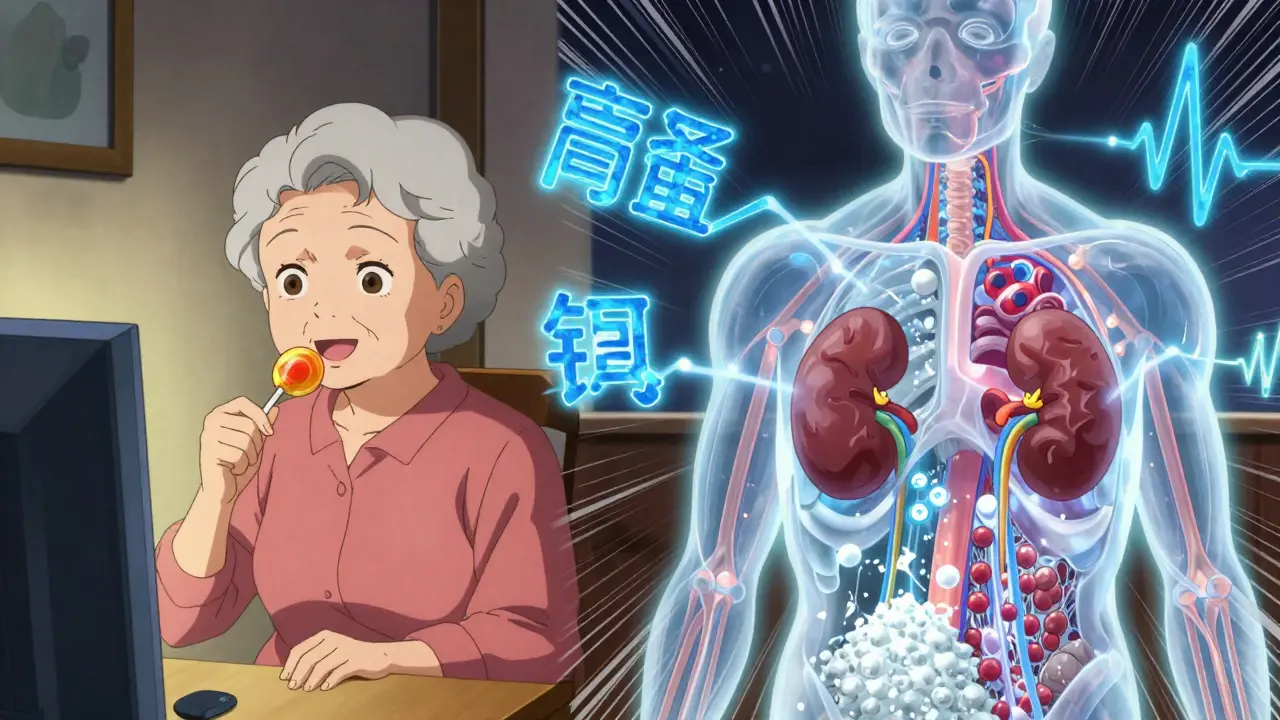
What About DGL Licorice?
If you’ve heard of DGL - deglycyrrhizinated licorice - it’s the version that’s had the glycyrrhizin stripped out. It’s marketed for stomach ulcers and acid reflux. And yes, it’s safe for most people on meds. But here’s the problem: many products labeled "DGL" still contain trace amounts. And if you’re buying licorice root powder or tea, you have no idea what’s in it. Always check the label for "glycyrrhizin-free" or "<1% glycyrrhizin." If it doesn’t say that, assume it’s risky.Real Cases, Real Consequences
The science isn’t theoretical. People are getting hurt. - A 47-year-old man in the U.S. ate 200g of licorice daily for three weeks. His potassium dropped to 2.6 mmol/L. His blood pressure hit 210/120. He ended up in the hospital. - A woman in Sweden developed a blood clot in her arm after eating licorice daily for a month. Her potassium was 2.4 mmol/L. She needed emergency surgery. - A 68-year-old woman on lisinopril and a diuretic developed severe muscle cramps and heart palpitations. Her doctor found her potassium was 2.8 mmol/L. She hadn’t changed her meds - but she’d started eating licorice every day for "stress relief." These aren’t rare. The FDA recorded 147 licorice-related adverse events between 2010 and 2020. Nearly half involved high blood pressure. Almost a third involved dangerously low potassium.What Should You Do?
If you’re on any medication - especially for blood pressure, heart, or kidney issues - here’s what you need to do:- Check your licorice. If it’s dark, chewy, and imported - stop eating it. If it’s red, chewy, and says "artificial flavor," you’re probably okay.
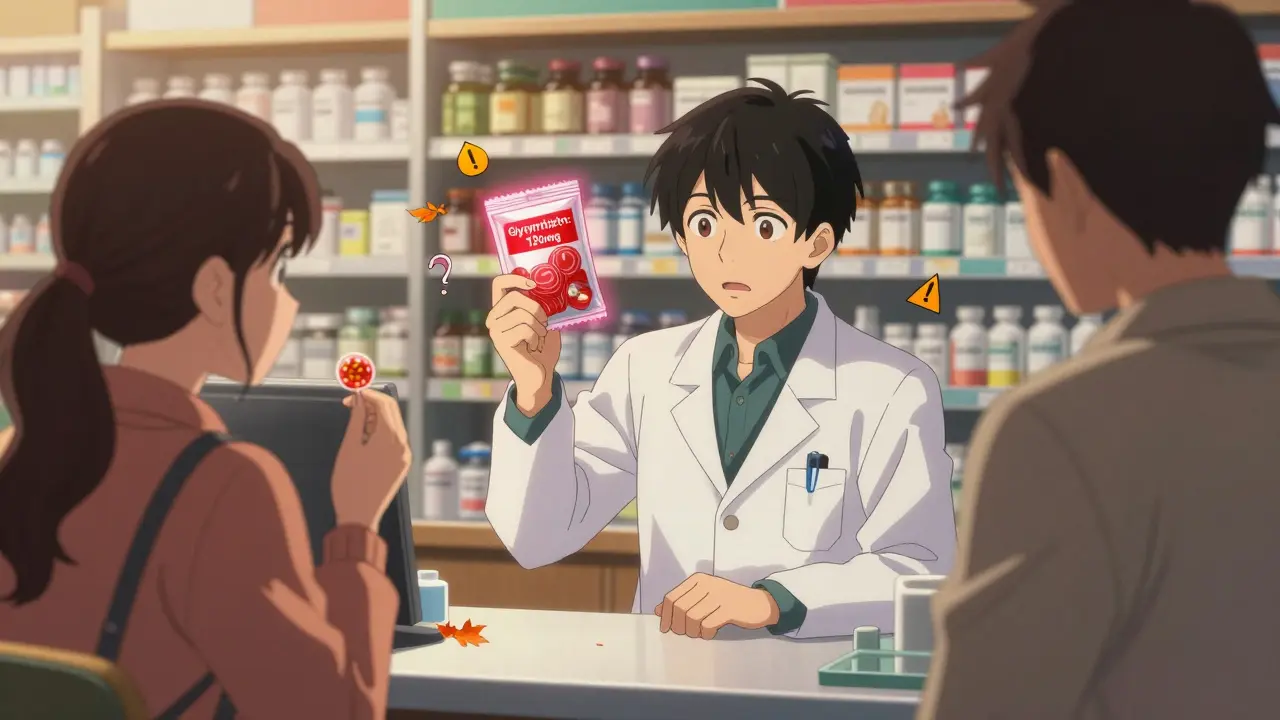
- Ask your pharmacist. Only 37% of community pharmacists in one study could correctly identify all major licorice interactions. Don’t assume they know. Bring the product in.
- Read labels. Look for "glycyrrhizin," "licorice root," or "Glycyrrhiza glabra." If it’s not listed, don’t risk it.
- Don’t use licorice as a "natural remedy." Just because it’s plant-based doesn’t mean it’s safe with drugs.
- Monitor your body. If you’ve eaten licorice and feel bloated, weak, dizzy, or notice your heart racing - get your potassium and blood pressure checked.
What’s Changing?
Regulators are starting to wake up. The UK now requires warning labels on products with more than 100 mg of glycyrrhizin per serving. Japan limits supplements to 100 mg/day. The FDA now lists licorice as a "high-priority" interaction risk. And by 2026, the American Herbal Pharmacopoeia wants all licorice products to list glycyrrhizin content on the label - a change that could save lives. But until then, the burden is on you. Licorice isn’t the villain. It’s just a plant with powerful chemistry. And when you mix it with modern medicine, you’re playing with fire.What About Other Herbal Supplements?
Licorice isn’t alone. St. John’s wort, grapefruit, garlic, and ginseng all interact with medications. But licorice is unique because it doesn’t just affect drug metabolism - it directly mimics hormones. That’s why it’s so sneaky. You can eat a small amount and feel fine. But over weeks, your body slowly drifts out of balance. By the time you feel symptoms, it’s often too late.Bottom Line
If you’re taking medication, treat licorice like a drug - not a candy. Even if you feel fine, it could be quietly changing how your body works. Don’t wait for a crisis. Ask your doctor or pharmacist: "Is it safe for me to eat licorice?" If they hesitate, assume the answer is no.Can I eat licorice if I’m on blood pressure medication?
It’s not safe. Licorice can raise your blood pressure and cancel out the effects of your medication. Even small amounts over time can cause dangerous spikes. If you’re on ACE inhibitors, beta-blockers, or diuretics, avoid real licorice completely. Stick to anise-flavored candy or DGL products labeled as glycyrrhizin-free.
How do I know if my licorice contains glycyrrhizin?
Look for "real licorice root," "Glycyrrhiza glabra," or "licorice extract" on the ingredient list. If it just says "natural flavor" or "anise," it’s probably safe. Dark, chewy, slightly bitter candy is more likely to contain glycyrrhizin. If the label doesn’t specify glycyrrhizin content, assume it’s present and avoid it if you’re on meds.
What are the signs of licorice toxicity?
Symptoms include swelling in the ankles, unexplained weight gain, muscle weakness, fatigue, headaches, irregular heartbeat, and tingling in hands or feet. Low potassium can cause cramps or heart palpitations. If you’ve been eating licorice daily and notice these symptoms, stop immediately and get your blood pressure and potassium levels checked.
Is DGL licorice safe with medications?
DGL (deglycyrrhizinated licorice) is generally safe because most of the glycyrrhizin has been removed. But not all DGL products are created equal. Some still contain trace amounts. Always choose products labeled "glycyrrhizin-free" or "<1% glycyrrhizin." Avoid DGL teas or powders unless the glycyrrhizin content is clearly stated.
How long does it take for licorice to affect my body?
It usually takes 2-4 weeks of daily consumption to build up enough glycyrrhizin to cause noticeable effects. But in sensitive individuals - especially older adults or those on potassium-wasting drugs - symptoms can appear in as little as 10 days. The damage is cumulative, so even small daily amounts add up over time.
Can I eat licorice if I’m healthy and not on any meds?
If you’re young, healthy, and have no kidney or heart issues, occasional licorice is unlikely to cause harm. But the European Food Safety Authority recommends no more than 100 mg of glycyrrhizin per day - about 50g of traditional black licorice. Even then, it’s best not to eat it daily. Your body doesn’t need it, and the long-term risks aren’t fully understood.
Why don’t candy labels warn about these risks?
In the U.S., licorice is classified as a food, not a drug, so warning labels aren’t required. The FDA considers it "Generally Recognized As Safe" - but that doesn’t mean safe with medications. Only the UK and Japan currently require warnings on high-glycyrrhizin products. Most brands don’t disclose glycyrrhizin content at all. This lack of transparency puts consumers at risk.
Comments
Siobhan Goggin
I never realized licorice could be this dangerous. I’ve been eating those black sticks since I was a kid in London, thinking it was just a nostalgic treat. Now I’m checking every label like a hawk. Thanks for the wake-up call.
On January 5, 2026 AT 04:50
John Ross
Let’s be clear: glycyrrhizin is a potent mineralocorticoid mimetic with off-target effects on the renin-angiotensin-aldosterone axis. The 11β-HSD2 inhibition is well-documented in endocrinology literature-this isn’t anecdotal. FDA should mandate labeling. The fact that 78% of products omit glycyrrhizin content is a regulatory failure. People on antihypertensives or diuretics are being exposed to iatrogenic hypokalemia without informed consent.
On January 5, 2026 AT 23:34
Dee Humprey
My grandma took warfarin and loved licorice tea. She never knew it could mess with her INR. I showed her this post and she switched to anise-flavored candy immediately. 🙏 If you’re on meds, just skip the black stuff. It’s not worth the risk. Your heart will thank you.
On January 7, 2026 AT 04:08
melissa cucic
It is, however, important to note, that the pharmacological activity of glycyrrhizin is dose- and duration-dependent, and furthermore, that individual metabolic variation-particularly in CYP3A4 and UGT1A1 enzymatic activity-can significantly modulate the risk profile. Thus, while the general population should exercise caution, the absolute risk for occasional, low-dose consumers remains statistically low, though not negligible.
On January 8, 2026 AT 23:52
Akshaya Gandra _ Student - EastCaryMS
so if i eat red licorice its fine right? i always thought black one was just for adults 😅
On January 10, 2026 AT 05:39
en Max
The clinical implications of glycyrrhizin-mediated potassium depletion are profound, particularly in geriatric populations with comorbid cardiovascular disease. The cumulative effect of even subclinical exposure over weeks may precipitate arrhythmogenic substrates, especially in conjunction with digoxin or loop diuretics. This warrants inclusion in pharmacist counseling protocols.
On January 10, 2026 AT 12:53
Angie Rehe
Why is this even legal? Companies are hiding glycyrrhizin content on purpose. They know people with hypertension are buying this stuff and they don’t care. This isn’t candy-it’s a slow-acting toxin with no warning labels. Someone should sue these manufacturers. I’ve seen this in my ER three times this year. It’s not rare. It’s negligent.
On January 11, 2026 AT 10:49
Jacob Milano
My uncle died from a freak arrhythmia after eating licorice candy every day for his ‘digestive health.’ He didn’t even know it was the real kind. I still can’t believe it. Now I check every snack label like it’s a bomb defusal. If it says ‘natural flavor’ and looks like tar, I walk away. Life’s too short for silent poison.
On January 11, 2026 AT 12:23