

COPD Medication Risk Checker
Check Your Medications for COPD Safety
Enter the medications you're taking (prescription, over-the-counter, or supplements) to see if they're safe for COPD patients. Our tool identifies risks and suggests safer alternatives.
Living with COPD means every medication you take could either help or hurt your breathing. It’s not just about treating one condition - it’s about protecting your lungs from hidden dangers. Many common drugs, even those prescribed for other health issues, can quietly worsen COPD symptoms and lead to hospitalization. The good news? Avoiding just a few risky medications can cut your risk of a flare-up by up to 25%. Here’s what you really need to know.
Opioids: The Silent Threat to Breathing
Opioids like morphine, oxycodone, and hydromorphone are often prescribed for pain, but for someone with COPD, they can be deadly. These drugs slow down your brain’s drive to breathe. When your lungs are already struggling, this extra suppression can push you into respiratory failure. In 2021, over 1,200 COPD-related deaths in the U.S. were tied to opioid use. Even small doses can be dangerous. The American Thoracic Society found that COPD patients on opioids face a 37% higher risk of respiratory failure than those using non-opioid pain relief. If you’re on one of these meds, don’t stop suddenly - talk to your doctor. But do ask: Is this truly necessary? There are safer alternatives for pain management.
Benzodiazepines and Sleep Aids: A Dangerous Combo
Many people with COPD struggle with sleep, so doctors sometimes prescribe benzodiazepines like diazepam or alprazolam, or sleep aids like zolpidem (Ambien). But these drugs don’t just make you sleepy - they shut down your breathing reflexes. When combined with opioids, the risk of respiratory arrest jumps by 400%, according to a 2022 study in Chest. In 2021, nearly 3 out of 10 COPD patients hospitalized for breathing trouble had recently taken a sleep aid. If you’re using these for insomnia, consider non-drug options first: sleep hygiene, cognitive behavioral therapy, or even a CPAP machine if you also have sleep apnea. If a sleep med is unavoidable, ask for the lowest possible dose and never mix it with opioids.
Muscle Relaxers: Underestimated Risk
When back pain or muscle spasms hit, cyclobenzaprine (Amrix) or similar drugs might seem like a quick fix. But these medications depress the central nervous system too - just like opioids and benzos. A 2020 study in Mayo Clinic Proceedings found that over 20% of COPD patients using muscle relaxers ended up in the ER for breathing problems within a month. These aren’t just side effects - they’re predictable dangers. If you need muscle relief, ask about physical therapy, heat therapy, or non-sedating alternatives. Don’t assume a muscle relaxer is safe just because it’s not a painkiller.
Non-Selective Beta-Blockers: The Hidden Lung Constrictor
Heart problems often come with COPD. That’s why beta-blockers are common. But not all are equal. Non-selective beta-blockers like propranolol, nadolol, and timolol block receptors in the lungs as well as the heart. This can tighten your airways and make breathing harder. A 2022 meta-analysis showed they raise the risk of COPD flare-ups by 31%. The good news? Cardioselective beta-blockers like metoprolol or bisoprolol target the heart and are generally safe. If you’re on a non-selective one, ask your doctor if you can switch. One COPD patient reported a 15% improvement in lung function after switching from propranolol to metoprolol. That’s not a coincidence - it’s science.

ACE Inhibitors: The Cough That Worsens COPD
ACE inhibitors like lisinopril are widely used for high blood pressure and heart failure. But they cause a dry, nagging cough in 12-20% of users - and for someone with COPD, that cough can trigger a full-blown exacerbation. The cough is worse in certain populations: 35% of Asian patients, 25% of African American patients, and 15% of Caucasian patients. If you’ve started an ACE inhibitor and your cough got worse, it’s not just in your head. The American Heart Association recommends switching to an ARB (like losartan or valsartan), which works just as well for blood pressure but causes cough in far fewer people - 68% fewer, to be exact.
Anticholinergics: Thick Mucus, Harder to Clear
First-generation antihistamines like diphenhydramine (Benadryl) and hydroxyzine are common in allergy and sleep meds. But they have strong anticholinergic effects - meaning they dry up secretions. For COPD patients, this turns thin mucus into thick, sticky gunk that clogs the airways. A 2021 study showed these drugs increase sputum viscosity by 22-35%. That’s enough to trigger an exacerbation. Tricyclic antidepressants (TCAs) like amitriptyline do the same thing. In fact, 27% of COPD patients on TCAs reported worsening breathing, compared to just 9% on SSRIs like sertraline. The 2023 Beers Criteria explicitly warns against these drugs in older adults with COPD. If you need allergy or depression treatment, ask for second-generation antihistamines (like loratadine) or SSRIs instead.
Clarithromycin and Other Macrolides: The Hidden Interaction
Clarithromycin (Biaxin) is often used for chest infections, but it’s more dangerous than it looks. It blocks the enzyme CYP3A4, which your body uses to break down opioids. This can spike opioid levels in your blood by up to 60%, turning a safe dose into a life-threatening one. Even if you’re not on opioids, macrolides like azithromycin can prolong the QT interval on an ECG - a heart rhythm issue that’s riskier in COPD patients who often have heart disease. The American Academy of Family Physicians notes azithromycin is sometimes used long-term to prevent COPD flares, but only under strict monitoring. If you’re prescribed a macrolide, make sure your doctor knows your full med list - especially if you’re on opioids or have a heart condition.
What to Do Instead: Safer Alternatives
You don’t have to suffer without treatment. Here’s what works better:
- Pain: Acetaminophen or NSAIDs (if kidney function allows) instead of opioids. Physical therapy, nerve blocks, or topical creams can also help.
- Anxiety/Sleep: Cognitive behavioral therapy (CBT), relaxation techniques, or melatonin instead of benzos or sleep aids. If meds are needed, try low-dose trazodone - it’s less sedating and doesn’t suppress breathing.
- Hypertension: ARBs (losartan, valsartan) instead of ACE inhibitors. Cardioselective beta-blockers (metoprolol, bisoprolol) instead of non-selective ones.
- Allergies: Loratadine, cetirizine, or fexofenadine instead of Benadryl.
- Depression: SSRIs like sertraline or escitalopram instead of TCAs.
How to Protect Yourself
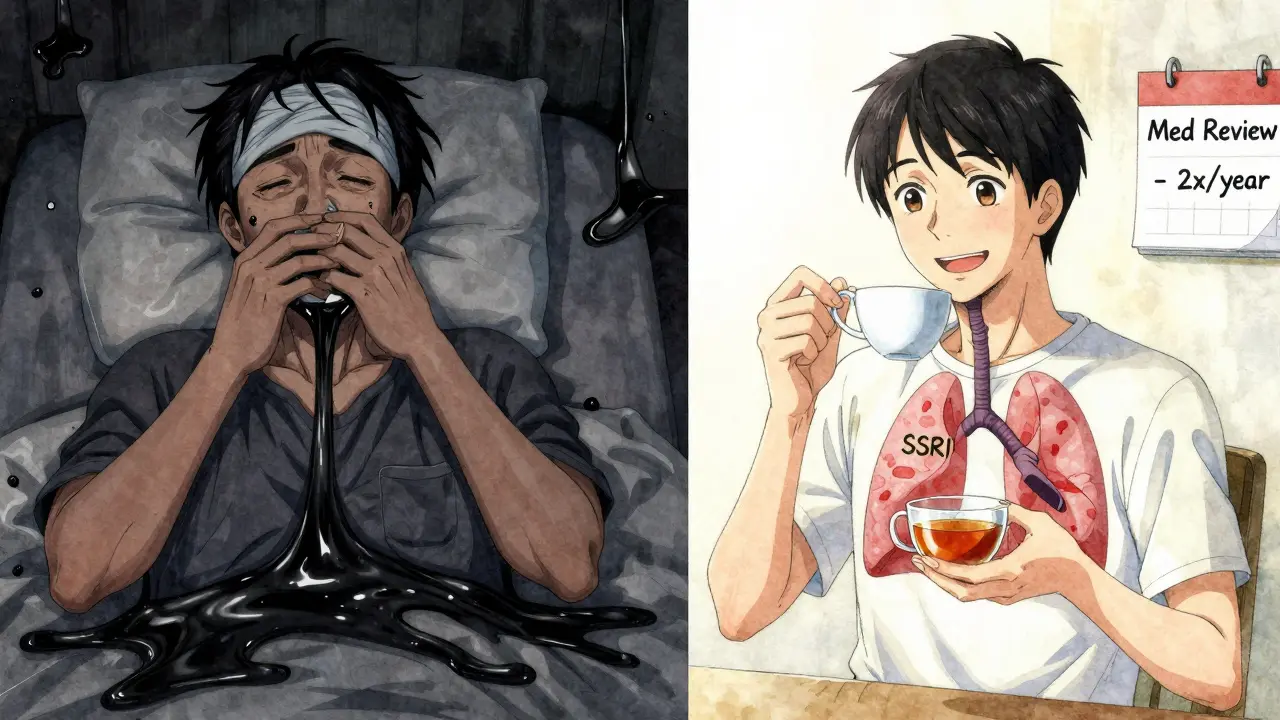
Knowledge is power - but action is protection. Start with a brown bag review: bring every pill, supplement, and OTC med to your next appointment. Ask your pharmacist to run a drug interaction check. Ask your doctor: "Is this still necessary? Is there a safer alternative?" Get a medication review at least twice a year. Studies show pharmacist-led reviews cut COPD hospitalizations by nearly 30%. If you’re on more than five medications, ask about deprescribing - removing drugs that do more harm than good. Tools like the Anticholinergic Cognitive Burden Scale can help measure your total risk from multiple meds. And if you use AI-powered medication checkers (now available in some apps and EHRs), they can flag hidden dangers before they cause harm.
Real Stories, Real Consequences
On COPD support forums, people share stories that stick with you. One man in Ohio said his breathing improved dramatically after switching from propranolol to metoprolol. Another woman in Texas stopped using Benadryl for allergies and noticed her mucus cleared up within days. A Reddit poll of over 1,200 COPD patients found that 78% had suffered a breathing crisis linked to a medication they didn’t realize was risky. Opioids, sleep aids, and muscle relaxers topped the list. These aren’t rare cases - they’re predictable outcomes of overlooked risks.
Bottom Line
COPD isn’t just about inhalers. It’s about every pill you swallow. Avoiding a few high-risk medications can mean the difference between staying out of the hospital and needing emergency care. You don’t need to guess - ask for alternatives. Demand a full med review. Push for safer options. Your lungs are already working hard. Don’t let your meds make it harder.
Can I still take opioids if I have COPD?
Opioids can be used in COPD patients under strict medical supervision - but only if absolutely necessary. Even low doses carry serious risks of respiratory depression. They should never be used for mild or moderate pain. If prescribed, your doctor must monitor you closely, avoid combining them with other sedatives, and use the lowest effective dose for the shortest time possible.
Are all beta-blockers dangerous for COPD?
No. Non-selective beta-blockers like propranolol are dangerous because they constrict airways. But cardioselective beta-blockers like metoprolol, bisoprolol, and nebivolol are generally safe and even beneficial for COPD patients with heart disease. Always confirm which type you’re taking and ask if a switch is possible.
Why are antihistamines like Benadryl bad for COPD?
First-generation antihistamines like diphenhydramine have strong anticholinergic effects that thicken mucus and make it harder to clear from the lungs. This increases the risk of infection and exacerbations. Second-generation antihistamines like loratadine or cetirizine don’t have this effect and are much safer.
Can I take sleep aids if I have COPD?
Sleep aids like zolpidem (Ambien) or eszopiclone (Lunesta) carry a high risk of respiratory depression in COPD. They should be avoided if possible. If sleep is a major issue, try non-drug approaches first - sleep hygiene, CPAP if you have sleep apnea, or cognitive behavioral therapy for insomnia (CBT-I). If medication is essential, talk to your doctor about low-dose trazodone, which is less risky.
What should I do if I’m already taking one of these risky medications?
Don’t stop abruptly - that can be dangerous. Schedule a medication review with your doctor or pharmacist. Bring all your meds - including OTC and supplements. Ask: "Is this still needed? Is there a safer alternative?" Many people improve their breathing simply by switching to a safer drug, like replacing propranolol with metoprolol or Benadryl with loratadine.
How often should I review my medications?
At least twice a year, especially if you take five or more medications. COPD guidelines recommend regular medication reviews to catch hidden risks. Pharmacist-led reviews have been shown to reduce hospitalizations by 29%. Don’t wait for a crisis - make this part of your routine care.
Comments
Andrew Mamone
This is hands-down one of the most important posts I've read all year. 🙏 Seriously, if you or someone you love has COPD, print this out and bring it to every doctor appointment. I didn't realize how many "safe" meds were quietly sabotaging my breathing. Switched from oxycodone to acetaminophen + physical therapy - my oxygen saturation went up 5% in two weeks. Life-changing. 💙
On March 21, 2026 AT 02:37
MALYN RICABLANCA
OMG, I KNEW IT!! I KNEW IT!! 😭 The moment I started taking Benadryl for allergies, my lungs turned into wet concrete!! I had a full-on ER visit - and guess what? The nurse said, "You’re not the first person who came in with this exact combo." I’m now on loratadine, and I swear I can breathe again. Also, my cat noticed. He started cuddling more. 🐱❤️
On March 21, 2026 AT 06:57
gemeika hernandez
I take cyclobenzaprine for back pain. My doctor said it was fine. But I got really dizzy last week. Maybe it’s this? I’m scared. Should I just stop?
On March 21, 2026 AT 19:59
Nicole Blain
I’ve been on metoprolol for 3 years. Never knew propranolol was a thing. My doc just switched me last month. I feel… lighter? Like I can actually finish a sentence without gasping. 🤯 Thanks for the clarity.
On March 22, 2026 AT 03:51
Kathy Underhill
The systemic neglect of medication review in chronic disease care is a quiet epidemic. Most patients are not equipped to question prescriptions. Providers rarely initiate deprescribing. The burden falls on the patient to self-educate - often after harm has occurred. This post is a small act of resistance against that system.
On March 23, 2026 AT 11:22
Srividhya Srinivasan
This is all a big pharma scam. They want you addicted to meds so they can sell you more. They don’t care if you die. The FDA is corrupt. They banned natural remedies like garlic and turmeric because they can’t patent them. I stopped ALL pills. Now I breathe with my third eye. 🌿👁️
On March 23, 2026 AT 18:40
Prathamesh Ghodke
Hey, I get it - opioids are risky. But I’ve been on low-dose oxycodone for 7 years after my lung surgery. I can’t do physical therapy, I’m in too much pain. My doc knows. We monitor me weekly. It’s not black and white. Sometimes, the lesser evil is still the only option. Don’t shame people who need it.
On March 25, 2026 AT 13:19
Sanjana Rajan
Ugh. Another post about how everyone’s just dumb for taking meds. I’ve been on Ambien since 2018. My sleep is perfect. I’ve never had a flare-up. So why should I change? You people love fear-mongering. My grandma took 30 pills a day and lived to 92. Coincidence? I think not.
On March 26, 2026 AT 16:43
Kyle Young
It is worth considering whether the ethical imperative to preserve respiratory function outweighs the biomedical normalization of pharmacological intervention. One might argue that the clinical framework prioritizes symptom suppression over holistic pulmonary resilience. The data presented is compelling, yet the absence of longitudinal outcomes raises questions about long-term efficacy of alternatives.
On March 27, 2026 AT 09:33
Aileen Nasywa Shabira
Oh wow, so now we’re blaming drugs for everything? Next you’ll say oxygen tanks cause COPD. Maybe people just smoke too much? Or live in polluted cities? Or don’t exercise? Or have bad genetics? Oh wait - you’re not going to mention any of that. Classic. Let’s just make people terrified of their prescriptions.
On March 28, 2026 AT 11:20
lawanna major
I used to think I was just getting older. Then I stopped Benadryl. My cough cleared. My energy came back. I started walking again. It wasn’t magic - it was just removing one thing that was silently suffocating me. If you’re tired, confused, or just feel "off" - look at your meds. Not your lungs. Not your age. Your meds.
On March 30, 2026 AT 04:46
Ryan Voeltner
The precision and thoroughness of this analysis reflect a commendable commitment to patient safety. I commend the author for synthesizing evidence from multiple peer-reviewed journals and presenting actionable alternatives grounded in clinical guidelines. Such discourse elevates public health literacy and reinforces the necessity of interdisciplinary collaboration in chronic care management.
On April 1, 2026 AT 00:15
Linda Olsson
I’ve been a nurse for 30 years. This is basic stuff. Why is this even a post? People should know this. If you don’t know your meds, you shouldn’t be taking them. It’s not rocket science. Stop blaming doctors. Stop blaming pharma. Take responsibility. I’ve seen too many people die because they didn’t ask questions.
On April 1, 2026 AT 23:43
Ayan Khan
In many cultures, we rely on elders to guide medication use. My grandmother took amitriptyline for 20 years. She never complained. She trusted her doctor. Perhaps the real issue is not the drugs - but the erosion of trust in traditional care systems. We must balance innovation with cultural wisdom.
On April 3, 2026 AT 17:12