
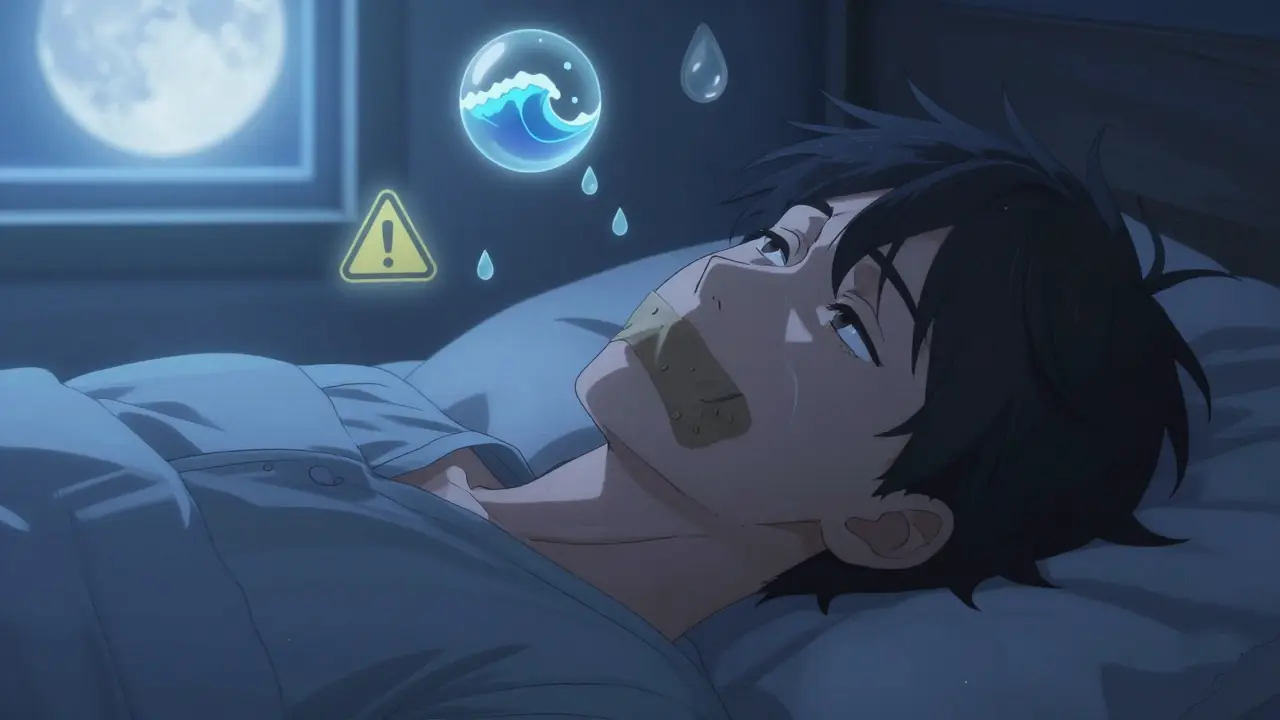
People are taping their mouths shut at night. It’s everywhere on TikTok-celebrities, influencers, and everyday users claiming it stops snoring, improves sleep, and even reverses aging. But behind the viral trend is a serious medical question: is mouth taping safe, or could it be putting your health at risk?
What Is Mouth Taping, and Why Are People Doing It?
Mouth taping involves placing a small strip of medical-grade adhesive tape horizontally across the lips before bed. The goal is simple: force you to breathe through your nose by physically preventing your mouth from opening. Proponents say nasal breathing during sleep leads to better oxygen levels, less snoring, improved oral health, and even clearer skin. Some even claim it reduces sleep apnea symptoms. The idea isn’t new. Dentists and sleep specialists have long known that nasal breathing is healthier than mouth breathing. Mouth breathing can dry out the throat, increase inflammation, and worsen snoring. But here’s the catch: mouth taping isn’t a medical treatment. It’s a DIY hack that exploded online after 2020, with no standardized rules, no approved products, and no medical oversight.The Evidence: Does It Actually Work?
A 2020 systematic review in PLOS One looked at 10 studies involving 213 people. The results? Mixed at best. Two of those studies showed a modest drop in snoring and apnea events-but only in people who already breathed well through their nose. For the rest, it didn’t help much. One NIH study in 2022 found that mouth taping reduced the apnea-hypopnea index (AHI) by about half in participants with mild sleep apnea. But here’s the fine print: 75% of those people had positional sleep apnea, meaning their symptoms only happened when lying on their back. When they slept on their side, the taping worked. When they didn’t? It didn’t. And then there’s the problem of mouth puffing. A 2022 study in the Journal of Clinical Sleep Medicine found that many people still try to breathe through their mouth even with tape on. Air leaks around the edges, creating pressure changes that can trigger more breathing disruptions. It’s like trying to drink a smoothie through a straw with a piece of tape over the top-you’re not getting any better airflow, just more frustration. Compare that to proven treatments. CPAP machines, the gold standard for sleep apnea, work 85-90% of the time when used correctly. Mandibular advancement devices (MADs), which reposition the jaw, reduce AHI by 40-60% in mild to moderate cases. Mouth taping? No consistent data. No FDA approval. No professional endorsement.The Real Risks: When Mouth Taping Becomes Dangerous
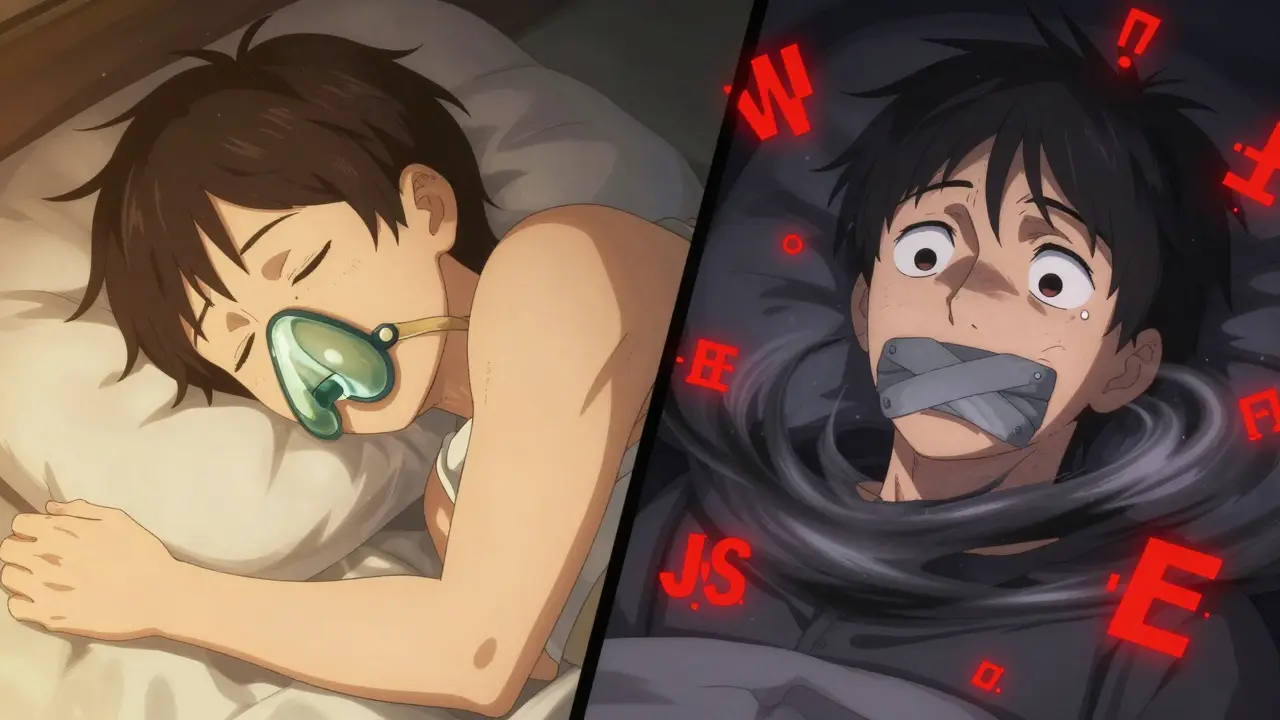
The biggest danger? Undiagnosed sleep apnea. About 4% of U.S. adults have been diagnosed with obstructive sleep apnea. But experts estimate up to 80% of cases go undetected. If you have sleep apnea and your mouth is taped shut, you might not be able to breathe at all during an apnea event. Your body doesn’t know how to switch to nasal breathing on demand. You could wake up gasping-or worse, not wake up at all. Dr. Brian Rotenberg, who co-authored the PLOS One review, says: “Taping the mouth shut during sleep is dangerous, especially among those who may not be aware they have sleep apnea.” Other risks are just as real:- Skin irritation: Medical tape isn’t made for 8 hours of nightly use. Many users report redness, peeling, and itching.
- Anxiety and panic: Waking up feeling like you can’t breathe triggers a primal fear response. One survey found 12% of users had at least one episode where they couldn’t get air out.
- Oxygen drops: A June 2023 study of 127 people with mild sleep apnea found that 22% experienced dangerous oxygen desaturation (SpO2 below 88%) while taped-compared to just 4% when untaped.
Who Might Benefit-and Who Should Avoid It
There’s a small group that *might* see benefit: people with mild snoring, no sleep apnea, and clear nasal passages. For them, mouth taping may reduce noise and dry mouth. But if you have any of these, don’t tape your mouth:- Nasal congestion or allergies
- History of asthma or COPD
- Snoring that wakes you up or your partner
- Daytime fatigue, morning headaches, or brain fog
- Any known or suspected sleep disorder
What Experts Recommend Instead
If you’re struggling with snoring or poor sleep, here’s what actually works:- Get tested: A home sleep test or in-lab study can diagnose sleep apnea. It’s affordable, non-invasive, and covered by most insurance.
- Use a nasal dilator: Products like Provent or Breathe Right strips help open nasal passages without restricting your mouth. Provent received FDA clearance in September 2023.
- Try positional therapy: Sleeping on your side reduces apnea events in many people. Special pillows or even a tennis ball sewn into the back of your pajamas can help.
- Address nasal blockages: Saline rinses, humidifiers, or even a visit to an ENT can clear congestion that’s forcing you to breathe through your mouth.
- Consider a mandibular advancement device: If you have mild to moderate sleep apnea, these custom-fitted oral appliances are proven, FDA-cleared, and far safer than tape.
Why This Trend Keeps Spreading
It’s not about science. It’s about simplicity. Mouth taping costs $5-$15 for a roll of tape. CPAP machines cost $500-$3,000. MADs cost $1,000-$2,500. A $10 tape strip feels like a miracle fix-especially when you’re tired of struggling to sleep. Social media fuels the myth. A University of Pennsylvania analysis found 73% of TikTok videos promoting mouth taping didn’t mention a single risk. YouTube videos? 87% had no medical disclaimers, even when creators claimed it treated sleep apnea. And the market is booming. Grand View Research estimates the “sleep tape” industry hit $2.3 million in 2023. Products like Somnifix Lips Strips are marketed like medical devices, even though they’re just adhesive strips with no regulatory approval.The Bottom Line
Mouth taping isn’t a cure. It’s a gamble. If you’re a healthy person with occasional snoring and no breathing issues, you might get away with it. But if you have any signs of sleep apnea-loud snoring, gasping at night, daytime fatigue-you’re risking your health. Sleep medicine specialists overwhelmingly agree: don’t tape your mouth. Get tested. Treat the root cause. There are safe, proven, and effective options available. You don’t need a strip of tape to breathe better at night-you need a diagnosis. The science is clear. The risks are real. And the safest thing you can do for your sleep? Talk to a doctor before you tape your lips shut.Is mouth taping safe for people with sleep apnea?
No, mouth taping is not safe for people with sleep apnea, especially if it’s undiagnosed. Taping the mouth shut can block the only escape route during an apnea event, leading to dangerous drops in oxygen levels. Studies show 22% of people with mild sleep apnea experience clinically significant oxygen desaturation while taped. The American Academy of Sleep Medicine strongly advises against it for anyone with suspected or confirmed sleep-disordered breathing.
Can mouth taping help with snoring?
It might help a little-for some people. A few small studies found reduced snoring in individuals who breathed well through their nose and had mild, positional snoring. But for those with nasal obstruction, obesity, or sleep apnea, it often makes snoring worse by increasing airway resistance. The effect is inconsistent and unreliable compared to proven treatments like nasal dilators or positional therapy.
What kind of tape should I use if I still want to try it?
If you choose to try it despite medical warnings, use only hypoallergenic, breathable medical tape like 3M Micropore. Avoid duct tape, athletic tape, or any non-medical adhesive. Even then, start with a tiny strip during daytime naps to test tolerance. Never use tape if you have nasal congestion, asthma, or any breathing issues. Most users report skin irritation, anxiety, or difficulty breathing within days.
Does mouth taping improve sleep quality?
There’s no strong evidence that mouth taping improves overall sleep quality. While some users report feeling more rested, these are mostly anecdotal. Studies measuring actual sleep architecture-like REM cycles and deep sleep-show no consistent benefit. In fact, people who wake up gasping or panicked because they can’t breathe are likely getting poorer quality sleep than before.
Are there any FDA-approved mouth tapes for sleep?
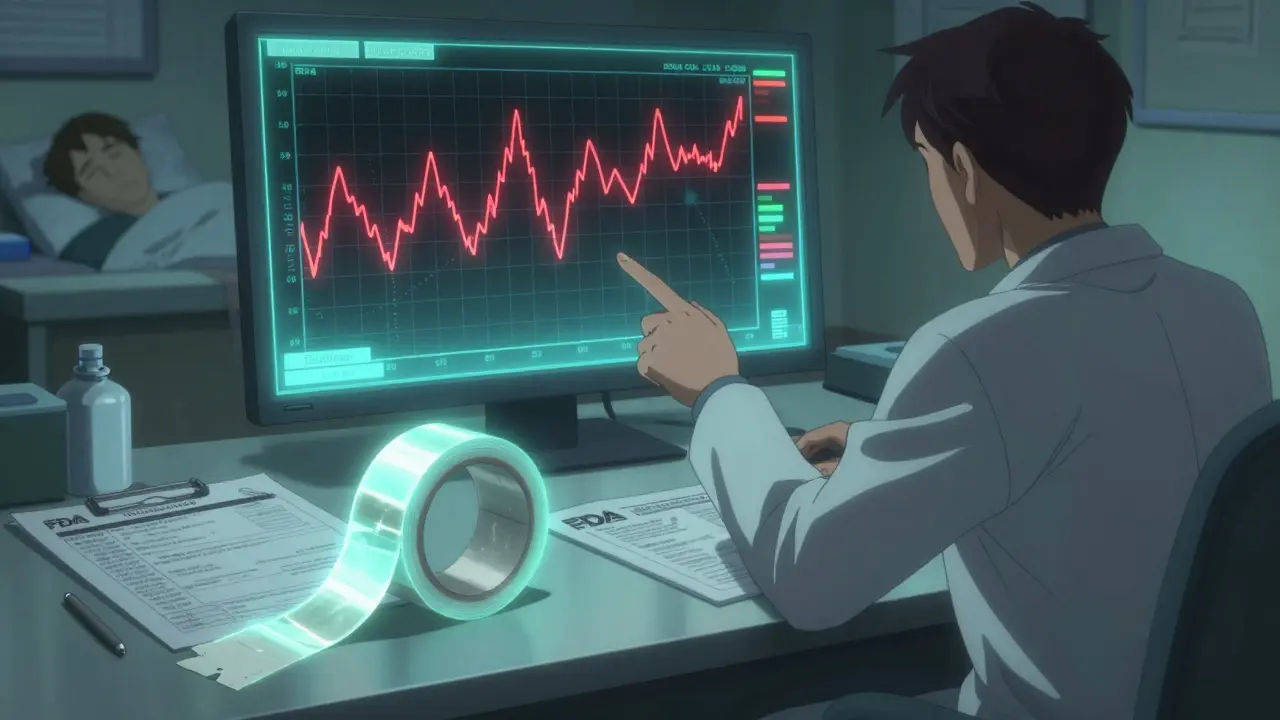
No, the FDA has not approved or cleared any mouth tape product for sleep apnea, snoring, or any sleep-related condition. Products marketed as “sleep tapes” are sold as general wellness items, not medical devices. The FTC has issued warning letters to companies making unsubstantiated health claims about these products. Any claim that mouth tape treats sleep apnea is false and potentially dangerous.
What should I do if I’m already taping my mouth and waking up gasping?
Stop immediately. Waking up gasping is a sign of serious breathing disruption-possibly undiagnosed sleep apnea. Discontinue the practice and schedule a sleep evaluation with a board-certified sleep specialist. A simple home sleep test can determine if you have sleep apnea and what treatment is right for you. Don’t wait. Untreated sleep apnea increases your risk of heart disease, stroke, and high blood pressure.
Is mouth taping better than using a CPAP machine?
No, mouth taping is not better than CPAP. CPAP is the gold standard for treating moderate to severe sleep apnea, with an effectiveness rate of 85-90% when used properly. Mouth taping has no proven efficacy for treating apnea and carries significant safety risks. CPAP delivers continuous air pressure to keep your airway open. Mouth tape does nothing to open your airway-it only blocks your mouth. If you’re struggling with CPAP, talk to your doctor about alternatives like oral appliances or nasal devices-not tape.
Can mouth taping cause long-term damage?
Yes, potentially. Repeated episodes of low oxygen during sleep can lead to chronic inflammation, high blood pressure, and increased risk of heart attack and stroke. If mouth taping causes you to have frequent apnea events without realizing it, you’re exposing yourself to long-term damage. Skin damage from adhesive use is also common. The biggest long-term risk isn’t the tape-it’s delaying proper diagnosis and treatment of an underlying sleep disorder.
Comments
Glendon Cone
Man, I tried this tape thing for a week. Woke up panicked three times. Felt like my face was being held down by a ghost. Not worth it. 🤯
On December 31, 2025 AT 07:59
henry mateo
i just wanna say i had a bad reaction to the tape-my lips got so dry and cracked it hurt to smile for days. also, i think i started snoring louder? maybe because i was fighting to breathe? idk but i stopped. please be careful out there.
On January 2, 2026 AT 02:51
Kunal Karakoti
The human body is not a machine to be hacked with adhesive strips. Breathing is an autonomic function shaped by millennia of evolution. To override it with a piece of tape is not wisdom-it’s hubris disguised as self-help. We are not optimizing sleep; we are performing a ritual of control over nature’s quiet rhythms.
On January 2, 2026 AT 07:51
Kelly Gerrard
If you’re taping your mouth shut you’re not sleeping better you’re gambling with your life. Stop. Get tested. Your health isn’t a TikTok trend.
On January 3, 2026 AT 23:19
Aayush Khandelwal
This whole trend is a perfect storm of algorithmic dopamine exploitation and medical illiteracy. You’ve got influencers selling placebo efficacy wrapped in the aesthetic of biohacking while the real pathology-nasal obstruction, obesity hypoventilation, REM-related apnea-goes untreated. It’s capitalism turning anxiety into a $15 Amazon product.
On January 5, 2026 AT 14:45
Sandeep Mishra
I used to tape my mouth when I was stressed about snoring. Then I realized I was just masking the problem. Took a sleep test-turned out I had mild apnea. Got a nasal dilator and a side-sleeping pillow. Slept like a baby. No tape needed. You don’t need to restrict your breath-you need to understand it.
On January 6, 2026 AT 18:08
srishti Jain
So you’re telling me people are dying because they followed a TikTok hack? Wow. I’m not surprised. We’re all just one influencer away from a public health disaster.
On January 7, 2026 AT 19:20
Shae Chapman
OMG I’m so glad someone finally wrote this. I tried it and had a full-on panic attack at 3am. I was gasping and couldn’t move. I cried. I called my mom. Please, if you’re thinking about it-DON’T. Your breath matters. Your safety matters. 💔
On January 8, 2026 AT 10:55
Nadia Spira
Let’s be real-this isn’t about sleep. It’s about performative wellness. People tape their mouths because they want to look like they’ve ‘figured it out’ while ignoring the real issues: poor diet, chronic stress, and zero sleep hygiene. The tape is a prop. The real problem? The ego.
On January 9, 2026 AT 02:31
Henry Ward
Anyone dumb enough to tape their mouth shut deserves what they get. This isn’t science-it’s self-harm dressed in wellness branding. And the fact that companies are profiting off this? That’s criminal. Someone should sue these influencers into oblivion.
On January 10, 2026 AT 05:43
Colin L
Look, I get why people do it. I used to be one of them. I thought if I just forced myself to breathe through my nose, I’d wake up like a new person. But the truth is, I had a deviated septum. The tape didn’t fix that. It just made me more anxious. I ended up seeing an ENT, got a septoplasty, and now I breathe like a normal human. No tape. No hype. Just medicine. If you’re reading this and you’re taping-please, just go see a doctor. You’re not saving money. You’re wasting time. And your brain needs oxygen, not Instagram validation.
On January 12, 2026 AT 03:14
Hayley Ash
So let me get this straight-people are risking death because they saw a 15-second clip of a girl with perfect skin saying 'tape your lips and glow up'? And we’re supposed to take this seriously? I mean… wow. The internet is a dumpster fire and I’m just here for the popcorn 🍿
On January 13, 2026 AT 21:49
Cheyenne Sims
As a board-certified sleep physician, I find it deeply concerning that pseudoscientific practices are being normalized as medical interventions. Mouth taping is not a therapeutic modality-it is an unregulated, potentially lethal self-experiment. The American Academy of Sleep Medicine’s position is unequivocal: no patient should be encouraged to use this method without formal polysomnography and clinical oversight. The proliferation of this trend reflects a catastrophic failure of public health communication. Do not mistake viral popularity for clinical validity.
On January 15, 2026 AT 18:48
Glendon Cone
Wow, Cheyenne just dropped the mic. But honestly? I think the real tragedy is that people are too scared or broke to get real help. CPAP is expensive, doctors are overworked, and TikTok is free. We need better access-not more tape.
On January 15, 2026 AT 21:06