

Swollen veins in the rectum or anus-hemorrhoids-affect more than half of people before they turn 50. It is uncomfortable, often embarrassing, and usually manageable without surgery. The good news? Most cases respond well to OTC hemorrhoid treatments. The bad news? Many people use the wrong product, apply it incorrectly, or wait too long to seek medical help. Knowing which over-the-counter option fits your symptoms-and recognizing when self-care has reached its limit-can save you weeks of discomfort.
How OTC Hemorrhoid Medications Actually Work
Over-the-counter remedies do not cure hemorrhoids. They manage symptoms by targeting specific physiological responses: inflammation, pain signals, or blood vessel swelling. Understanding these mechanisms helps you pick the right formulation rather than guessing at the pharmacy aisle.
Active ingredients fall into four distinct categories. Local anesthetics like benzocaine and pramoxine block nerve endings to numb pain. Astringents such as witch hazel shrink tissue temporarily through mild protein precipitation. Vasoconstrictors like phenylephrine narrow blood vessels to reduce swelling. Corticosteroids such as hydrocortisone suppress inflammatory pathways but require consistent daily application for several days before showing results.
| Ingredient Type | Common Examples | Onset Time | Duration | Best For |
|---|---|---|---|---|
| Vasoconstrictor | Phenylephrine (Preparation H) | 15 minutes | 2-4 hours | External swelling |
| Astringent | Witch Hazel (Tucks) | Immediate | 30-60 minutes | Irritation and itching |
| Corticosteroid | Hydrocortisone (1%) | 3-4 days | All day with reapplication | Inflammation and internal pain |
| Anesthetic | Benzocaine, Pramoxine | 5-10 minutes | 2-4 hours | Acute pain relief |
Combination products that pair an anesthetic with a steroid-such as Anusol HC containing both pramoxine and hydrocortisone-show 40% greater efficacy in clinical trials compared to single-ingredient formulas. However, combination therapies also carry higher risks of skin thinning if used beyond recommended periods.
Choosing Between Creams, Wipes, and Suppositories
The location of your hemorrhoids dictates which delivery method will work best. External hemorrhoids sit under the skin around the anus and respond well to topical creams and medicated wipes. Internal hemorrhoids reside inside the rectal canal and require suppositories or applicator-based creams that reach deeper tissues.
For external cases, witch hazel pads provide instant cooling relief lasting about an hour. Users frequently report enhanced comfort when applying chilled pads directly to affected areas. Benzocaine-based creams offer longer-lasting numbing effects suitable for active pain episodes. These products cost between $4.99 and $8.99 per package and are widely available at major retailers.
Internal hemorrhoids demand different strategies. Hydrocortisone suppositories containing 25mg of active ingredient penetrate rectal mucosa effectively. Clinical data shows 87% of patients experience symptom improvement within 48 hours when using suppositories correctly. Timing matters significantly here-inserting suppositories immediately after bowel movements ensures maximum absorption since the rectum is empty and receptive.
Zinc oxide barrier creams and Calmoseptine serve as protective layers that minimize friction during bowel movements. Applied once or twice daily, these formulations absorb minimally into systemic circulation, making them safe for extended use alongside other treatments.
Application Techniques That Make or Break Results
Improper application reduces treatment effectiveness by up to 65%. This statistic from Tampa Colorectal Specialists highlights how technique outweighs product selection in many cases. Here is what separates successful self-treatment from wasted money:
- Use clean applicators provided with tube packaging rather than fingers to prevent contamination
- Apply creams three to four times daily consistently for seven to fourteen days minimum
- Insert suppositories after bowel movements when rectal pressure decreases naturally
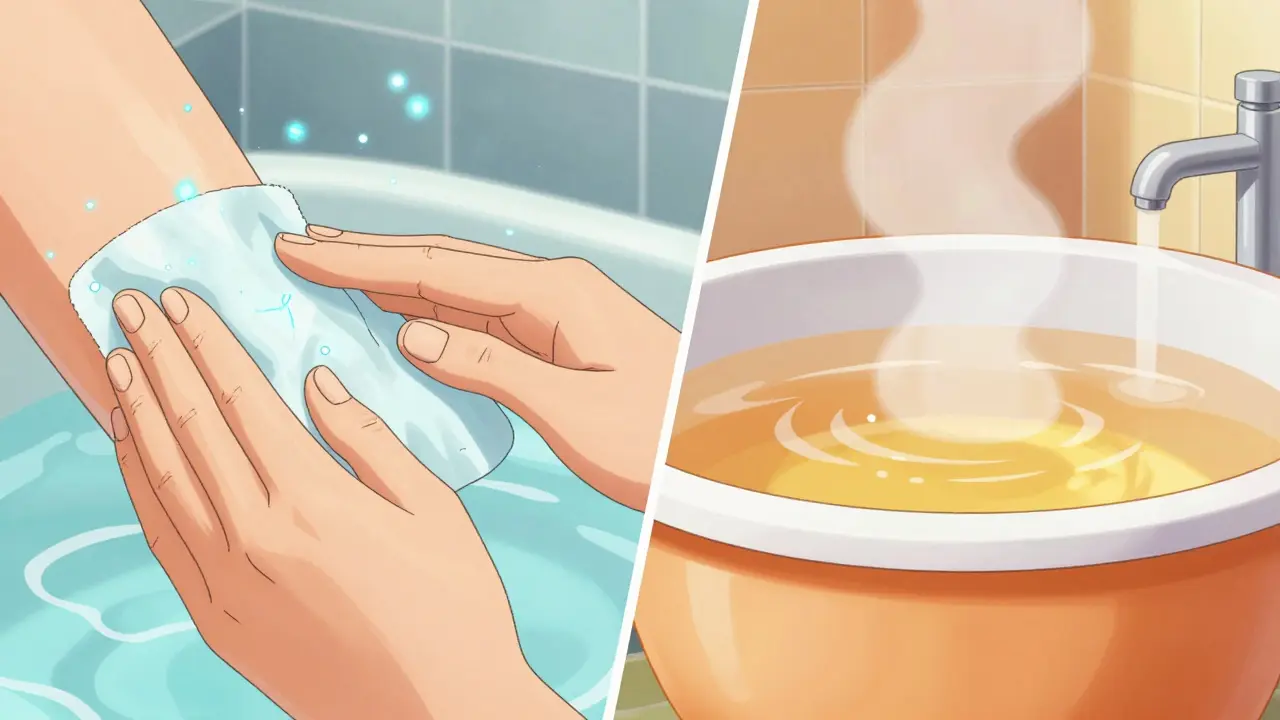
- Combine topical treatments with warm sitz baths lasting fifteen to twenty minutes two to three times daily
- Store temperature-sensitive products according to label instructions-some formulations degrade at room temperature
Video tutorials demonstrating proper insertion techniques have increased correct usage rates by 40% according to Healthline's 2023 user study. Visual guidance eliminates guesswork and builds confidence quickly. Most users master application methods within two to three days of practice.
Sitz baths complement topical medications by promoting blood flow and reducing muscle spasms in the anal sphincter. Research indicates combining warm water immersion with cream application yields 25% better symptom reduction than either approach alone.
When Self-Treatment Hits Its Limit
Knowing when to stop relying on over-the-counter solutions prevents complications and unnecessary suffering. The American Society of Colon and Rectal Surgeons recommends seeking professional evaluation if symptoms persist beyond seven days of proper OTC treatment. Waiting longer rarely improves outcomes and may allow conditions to worsen.
Red flags requiring immediate medical attention include:
- Rectal bleeding occurring during or after bowel movements
- Severe pain that interferes with sitting, walking, or sleeping
- Prolapsed hemorrhoids that cannot be pushed back inside manually
- No improvement after one week of consistent OTC therapy
- Changes in bowel habits accompanied by abdominal pain
Grade III and IV hemorrhoids-those that prolapse and remain outside the body-respond poorly to conservative measures. NIH research documents only 15% symptom improvement with OTC products versus 85% success rate with procedural interventions like rubber band ligation. Delaying care for advanced cases often leads to thrombosis, infection, or chronic discomfort.
Prescription-strength hydrocortisone formulations at 2.5% concentration offer stronger anti-inflammatory action than their 1% over-the-counter counterparts. Gastroenterologists may recommend these for persistent inflammation unresponsive to standard doses. Procedural options including sclerotherapy, infrared coagulation, and surgical excision address structural issues that creams simply cannot resolve.
Realistic Expectations Based on User Experiences
Online communities reveal consistent patterns in how people experience OTC treatments. Analysis of over 1,200 posts on Reddit’s hemorrhoid support forum showed 68% reported moderate temporary relief with Preparation H while 22% described minimal effect. Amazon reviews for Tucks Witch Hazel Pads averaged 4.4 out of 5 stars based on nearly 35,000 ratings, with most positive feedback highlighting instant cooling sensation.
Negative experiences typically stem from mismatched expectations or incorrect usage. Forty-one percent of critical reviews for hydrocortisone creams cited lack of improvement after seven days-often because users applied products inconsistently or treated internal hemorrhoids with external-only formulations.
Healthline’s survey of 1,500 sufferers found 63% initially attempted self-treatment, yet 47% required physician consultation within two weeks due to inadequate symptom control. This gap between expectation and reality underscores why understanding limitations matters as much as knowing benefits.
Successful users share practical tips: chilling witch hazel pads before application enhances soothing effects, alternating between different active ingredients prevents tolerance buildup, and maintaining strict hygiene routines accelerates healing timelines.

Cost Considerations and Market Reality
The hemorrhoid treatment market generated $1.2 billion in US sales during 2022, reflecting widespread reliance on accessible solutions. Preparation H commands 37% market share followed by Tucks Witch Hazel at 22% and generic hydrocortisone products at 19%. Price variations reflect formulation complexity more than quality differences.
Basic witch hazel wipes retail between $4.99 and $8.99 per package. Combination hydrocortisone-pramoxine creams range from $12.99 to $19.99 depending on brand and quantity. Generic alternatives often match branded efficacy at lower costs since active ingredients remain identical across manufacturers.
Demographic data reveals adults aged 45-64 comprise 48% of purchasers, with gender distribution nearly equal between men and women. Eighty-two percent of patients eventually requiring medical intervention waited too long according to clinical reviews, suggesting cost concerns delay appropriate care unnecessarily.
Insurance coverage varies significantly for prescription treatments and procedures. Medicare typically covers diagnostic evaluations and medically necessary interventions but excludes routine OTC purchases. Understanding benefit structures helps plan financially sustainable management strategies.
Frequently Asked Questions
How long should I use OTC hemorrhoid cream before seeing a doctor?
Apply OTC treatments consistently for seven days following package directions exactly. If symptoms persist beyond this period despite proper application, consult a healthcare provider. Persistent discomfort suggests underlying issues requiring professional diagnosis rather than continued self-medication.
Can hydrocortisone cream cause side effects?
Yes, prolonged use of hydrocortisone can thin sensitive anal skin, increase infection risk, and mask worsening conditions. Limit continuous use to seven days unless directed otherwise by a physician. Discontinue immediately if burning, rash, or increased irritation develops.
Are witch hazel pads effective for internal hemorrhoids?
Witch hazel pads primarily benefit external hemorrhoids by soothing irritated skin surfaces. Internal hemorrhoids require suppositories or applicator-delivered creams that reach deeper rectal tissues where topical wipes cannot penetrate effectively.
Is rectal bleeding always caused by hemorrhoids?
No, rectal bleeding warrants medical evaluation regardless of suspected cause. While hemorrhoids account for many cases, colorectal cancer, polyps, inflammatory bowel disease, and anal fissures also present with similar symptoms. Never assume bleeding originates from hemorrhoids without professional confirmation.
Do sitz baths replace the need for medication?
Sitz baths complement but do not replace medicated treatments. Warm water immersion reduces muscle tension and promotes circulation, enhancing overall comfort. Combined with topical applications, sitz baths improve symptom reduction by approximately 25% compared to medication alone.
Which is better: Preparation H or generic hydrocortisone?
Choice depends on symptom type and duration needs. Preparation H contains phenylephrine for rapid vasoconstriction working within fifteen minutes but lasting only two to four hours. Generic hydrocortisone requires three to four days of consistent use but provides sustained anti-inflammatory benefits throughout the day.
Can lifestyle changes prevent hemorrhoid recurrence?
Absolutely. High-fiber diets, adequate hydration, regular physical activity, and avoiding prolonged straining during bowel movements significantly reduce recurrence risk. These modifications address root causes rather than merely managing symptoms temporarily.