

When a pharmacist hands you a pill bottle labeled warfarin or levothyroxine, you assume it’s the same as the brand name. But for drugs with a narrow therapeutic index (NTI), that assumption can be dangerous. These aren’t ordinary generics. Even tiny differences in how your body absorbs them can push your blood levels from safe to toxic-or worse, ineffective. And pharmacists are sounding the alarm.
What Makes a Drug ‘Narrow Therapeutic Index’?
NTI drugs have a razor-thin margin between a therapeutic dose and a toxic one. A 10% change in blood concentration can mean the difference between preventing a stroke and causing a bleed. Or between stabilizing your thyroid and triggering heart palpitations, weight loss, or anxiety. The FDA doesn’t publish an official list, but it flags certain drugs in the Orange Book with ‘B’ codes-meaning substitution isn’t always safe. Common NTI drugs include warfarin, phenytoin, levothyroxine, carbamazepine, cyclosporine, and lithium.
Standard generics must show bioequivalence within 80-125% of the brand drug’s absorption. For NTI drugs, the FDA recommends a tighter range: 90-111%. But even that’s not foolproof. A 2024 study from the University of Minnesota found 15 NTI drugs where bioequivalence differences outside this range led to real clinical harm. And not all manufacturers meet even this stricter standard consistently.
Why Pharmacists Are Worried
Pharmacists aren’t resisting generics-they’re fighting for safety. According to the American Society of Health-System Pharmacists (ASHP), 68% of pharmacists surveyed in 2024 reported serious concerns about substituting NTI generics. Why? Because switching between different generic versions of the same drug can cause unpredictable spikes or drops in drug levels.
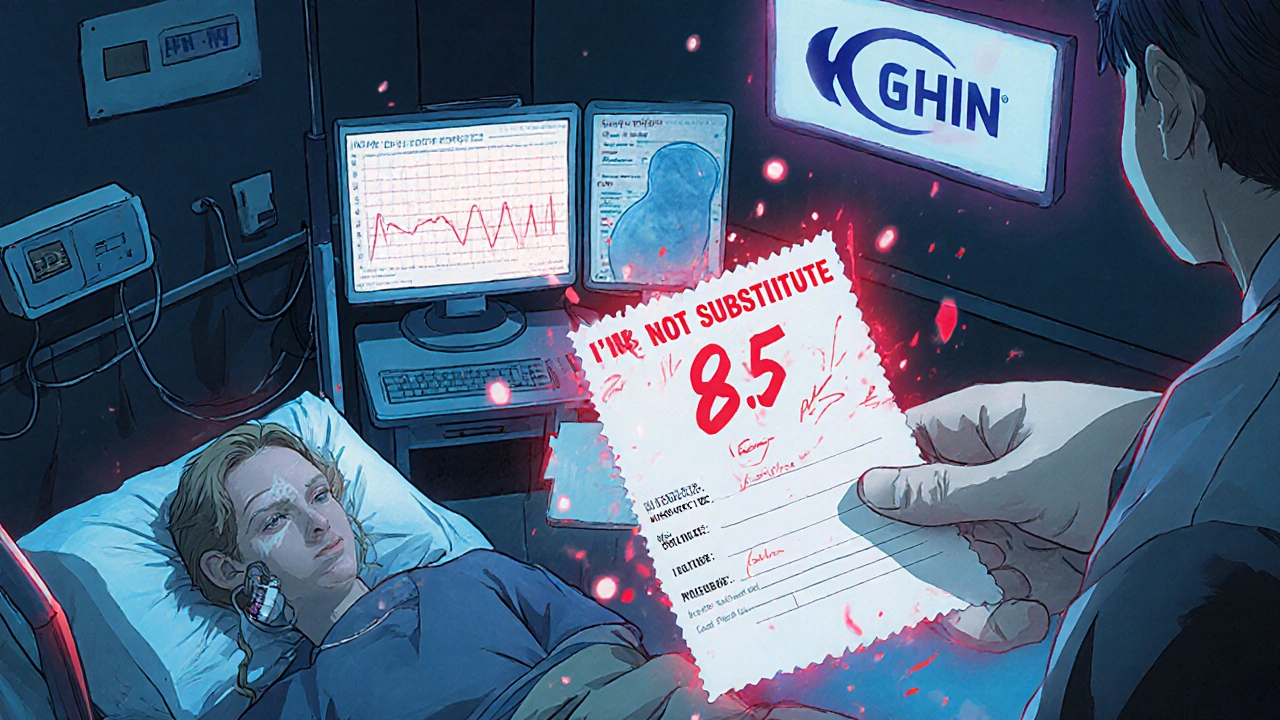
One hospital pharmacist in Ohio told a colleague: “I had a patient on warfarin for five years. Stable INR. Switched to a different generic. Two days later, INR hit 8.5. He ended up in the ER with a brain bleed.” That’s not rare. The FDA’s Adverse Event Reporting System logged 1,247 incidents linked to NTI generic switches between 2020 and 2024. For non-NTI generics, it was 382.
And it’s not just about one switch. Many patients get switched multiple times. A 2025 NCPA survey found that 73% of community pharmacists receive requests from doctors to avoid automatic substitution for NTI drugs. Warfarin tops the list at 68%, followed by levothyroxine at 52%. But pharmacies are pressured by cost-cutting policies and insurance rules that push the cheapest option-regardless of manufacturer.
The Cost-Saving Trap
Generics save money. That’s the point. NTI generics cost 80-85% less than brand versions. For patients on long-term therapy, that’s life-changing. One independent pharmacy owner in Arizona said his NTI drug abandonment rate dropped 35% when generics became available. But the savings come with hidden risks.
When multiple manufacturers make the same NTI drug, each uses slightly different fillers, coatings, or manufacturing processes. These differences can alter how the drug dissolves in your gut. For most medications, that doesn’t matter. For NTI drugs, it does. The FDA reported that 23% of NTI drug shortages in 2024 were worsened by frequent switches between generic suppliers. One pharmacy might stock Generic A. The next month, it’s Generic B. The patient doesn’t know. The prescriber doesn’t know. But the body remembers.
And the supply chain is fragile. Eighty percent of generic drugs, including NTI ones, are finished overseas. A single factory issue in India or China can trigger nationwide shortages. In 2024, there were 47 NTI drug shortages-17.4% of all drug shortages-despite NTI drugs making up only 6% of generic prescriptions.
State Laws Are a Patchwork
There’s no national rule on NTI substitution. As of January 2025, only 28 states have laws restricting automatic substitution for NTI drugs. Twenty-two states require the prescriber to specifically authorize substitution. Six states ban it entirely. The rest? No protections. That means a patient in Texas might get switched without consent. A patient in California might be protected. A patient in New York might get a different generic every refill.
Pharmacists are caught in the middle. They know the risks. But they’re legally required to dispense what’s prescribed-or what’s cheapest under insurance rules. Many say they feel like they’re playing Russian roulette with someone’s life.
What Pharmacists Are Doing About It
Forward-thinking pharmacies aren’t waiting for laws to change. They’re building internal protocols.
- Keeping one manufacturer for each NTI drug-when possible. A 2025 ASHP survey found 63% of hospital systems now do this.
- Tracking patient INR levels, thyroid tests, or drug concentrations after any switch. Some use automated alerts in their pharmacy systems.
- Training staff on pharmacokinetics. Eighty-one percent of pharmacy residency programs now include specialized NTI drug training.
- Communicating directly with prescribers. Many pharmacists now call doctors before dispensing a new generic for warfarin or phenytoin.
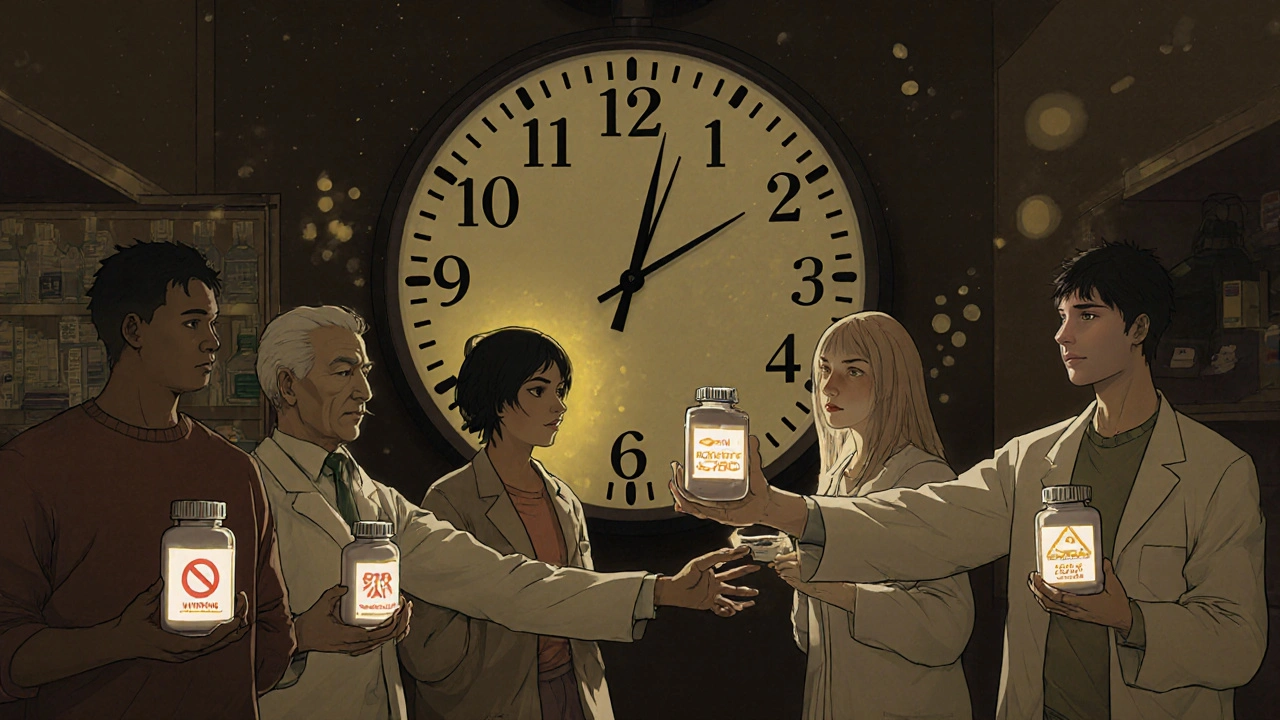
The University of California, San Francisco recommends a 48-hour “learning curve” for pharmacists: time to review lab trends, check manufacturer history, and talk to the patient before approving a switch. It’s not ideal-but it’s safer than blind substitution.
The Bigger Picture: Policy and Future Risks
The FDA’s April 2025 announcement of a new bioequivalence framework for critical dose drugs is a step forward. It will tighten standards for 12 high-priority NTI drugs by 2026. But pharmacists are skeptical. “We’ve heard this before,” said Lisa Schwartz of the NCPA. “The standards still don’t account for real-world variability between batches or manufacturers.”
And now, Medicare’s new drug price negotiation program includes three NTI drugs among its first 10 targets. That’s good for cost control-but risky for supply. Schwartz warned that the 21-day reimbursement delay under the program could force community pharmacies to stop stocking NTI generics altogether if cash flow dries up. “We’re not talking about aspirin,” she said. “We’re talking about drugs where a missed dose can kill.”
Meanwhile, the industry is moving toward pharmacist-led stewardship. By 2027, 74% of healthcare systems plan to have pharmacists actively managing NTI drug therapy-not just dispensing it. That means more medication reviews, more lab coordination, more direct patient contact. It’s the right direction. But it needs resources, time, and recognition.
What Patients Should Know
If you’re on an NTI drug, here’s what you need to do:
- Ask your pharmacist: “Is this the same manufacturer as last time?”
- Ask your doctor: “Can you write ‘Dispense as Written’ or ‘Do Not Substitute’ on my prescription?”
- Monitor for changes. Did your energy drop? Did you feel more anxious? Did your INR spike? Report it immediately.
- Keep a log. Note the manufacturer name, lot number, and any symptoms after a refill.
Cost matters. But safety matters more. If your insurance pushes a cheaper generic, push back. Ask for the brand. Ask for the same generic you’ve been on. You have the right to ask.
Final Thoughts
NTI generics aren’t inherently bad. They’ve helped millions afford life-saving therapy. But treating them like any other generic? That’s where the danger lies. The science, the data, and the frontline experience of pharmacists all point to one truth: these drugs need special handling. Not because we’re resistant to savings-but because lives depend on precision.
The system isn’t broken. It’s just outdated. And until bioequivalence standards catch up with clinical reality, pharmacists will keep asking the same question: “Who’s checking the numbers?”
Comments
Amber-Lynn Quinata
My grandma died because they switched her warfarin generic without telling us. She was fine for years. Then one day she started bleeding internally and they didn't know why. Turns out the new generic had a different filler that changed absorption. No one warned us. No one asked. Just a cheaper pill. Now I check the manufacturer on every refill. And I call the pharmacy if it changes. I'm not risking my family again. 🚨💔
On December 1, 2025 AT 16:42
Lauryn Smith
I'm a nurse and I see this all the time. Patients don't know the difference between generics. They think 'same drug, same effect.' But when their INR jumps or their heart starts racing, they come to us confused. We have to explain that it's not them-it's the pill. I wish pharmacists could just stick with one brand for NTI meds. It's not that hard. And it saves lives.
On December 2, 2025 AT 12:09
Bonnie Youn
Listen up everyone this is not up for debate NTI drugs are NOT the same as regular generics and if your pharmacy is switching them without consent you are being put in danger period. I work in a hospital pharmacy and we have a strict one-manufacturer policy for warfarin and levothyroxine. No exceptions. Patients get lab work before and after every switch. We call the doctor. We talk to the patient. This isn't bureaucracy it's survival. Stop letting cost cutters play Russian roulette with your meds. Your life is worth more than a few bucks.
On December 3, 2025 AT 21:37
Suzanne Mollaneda Padin
As a pharmacist in rural Ohio, I can confirm this. We have patients who travel 40 miles for their refill because we're the only one who stocks the same generic they've been on for 7 years. Insurance wants the cheapest. But we don't switch unless the doctor approves. It's not about being difficult-it's about not killing someone by accident. I wish more people understood how delicate this is.
On December 5, 2025 AT 01:14
Erin Nemo
My mom’s on levothyroxine and she got switched last month. She felt like garbage for two weeks-tired, shaky, anxious. We called the pharmacy. Turns out it was a different maker. We asked for the old one. Took three tries but we got it. Now I always ask ‘same maker?’ at the counter. It’s that simple.
On December 6, 2025 AT 06:54
ariel nicholas
You people are CRAZY!!! This is just Big Pharma fearmongering!!! The FDA approves these generics-so they’re SAFE!!! Who do you think you are-some kind of medical guru??? The government doesn’t lie!!! You’re just scared of progress!!! The real problem is lazy doctors who don’t want to write ‘Dispense as Written’!!! This is socialism in medicine!!! You want the brand? Pay for it!!! STOP WHINING!!!
On December 7, 2025 AT 23:08
Rachel Stanton
For anyone new to this: the FDA’s 90-111% bioequivalence range for NTI drugs sounds tight, but in practice, it’s still too wide. A 10% swing in absorption can mean a 20% swing in effect due to nonlinear pharmacokinetics-especially with warfarin and phenytoin. We’re not just talking about ‘slight differences.’ We’re talking about pharmacodynamic amplification. That’s why hospital systems are moving toward pharmacist-led NTI stewardship. It’s not ideal, but it’s the only thing preventing iatrogenic harm. We need more training, more oversight, and less reliance on automated substitution.
On December 9, 2025 AT 20:36
Edward Hyde
Wow. So now we're treating patients like lab rats because some pharmacist got a degree? This is why America’s healthcare is a dumpster fire. You want to control every pill? Then charge $800 for warfarin. But no-let’s keep the generics cheap and then act like we’re saving lives by playing pharmacy roulette. I’ve been on levothyroxine for 12 years. Switched generics five times. Still alive. Still functional. Maybe your grandma was just old and dying anyway. Stop making this into a drama.
On December 10, 2025 AT 00:05
Charlotte Collins
Let’s be real. The real issue isn’t the generics. It’s that the FDA’s testing protocols are decades old and designed for aspirin, not anticoagulants. The ‘B’ codes? Meaningless. The 90-111% range? A joke. The fact that 80% of these are made in India and China with no batch transparency? That’s the scandal. And no one’s holding manufacturers accountable. We’re just blaming pharmacists for doing what they’re told. Meanwhile, the same companies that make these generics also lobby Congress to block stricter regulations. This isn’t about safety. It’s about profit. And the system is rigged.
On December 10, 2025 AT 04:03
Margaret Stearns
I just wanted to say thank you to the pharmacists who are doing the right thing. I didn't know any of this until my dad had a bleed after a switch. Now I write 'do not substitute' on every NTI script. I also write the manufacturer name on the prescription. It's a small thing. But it helps. And I always check the bottle. I'm not perfect. But I'm trying. Thank you for speaking up.
On December 11, 2025 AT 16:02