
Safety Update Time Estimator
How Much Time Does Your Medication Safety Information Save?
Compare traditional printed labels with QR code safety updates to see the difference in time to receive critical safety information.
Imagine you’re holding a pill bottle. The label says one thing, but the real safety info changed three days ago. That’s the problem with printed drug labels. They’re frozen in time. A black box warning, a dosage change, a new interaction - all of it gets printed once and stays wrong until the next batch rolls off the line. By then, someone might have already taken the wrong dose. QR codes on drug labels fix that. They turn static paper into live, updatable safety feeds.
How QR Codes Replace Outdated Labels
Pharmaceutical labels used to be like printed maps. Once you printed them, they couldn’t change. If a new side effect popped up, or a drug interaction was discovered, companies had to wait months - sometimes over a year - to reprint every box, blister pack, and carton across the globe. That delay cost lives. In the last decade, 225 black box warnings were issued worldwide. Each one meant a race against time to get the right info to patients. QR codes change that. When you scan the code on your medication, you’re not looking at a static image. You’re connecting to a live database. The moment a safety update is approved by regulators, it goes live online. Within hours, every patient with that drug can see it. No reprinting. No delays. No outdated paper. This isn’t science fiction. Spain started requiring it in 2021. The UK followed in 2024, updating its ABPI Code of Practice to allow QR codes that link directly to the latest prescribing information. The system uses dynamic QR codes - meaning the link stays the same, but the content behind it can be updated remotely. If your drug’s warning changes on January 10, your scan on January 12 shows the new version. No new label needed.How It Works Behind the Scenes
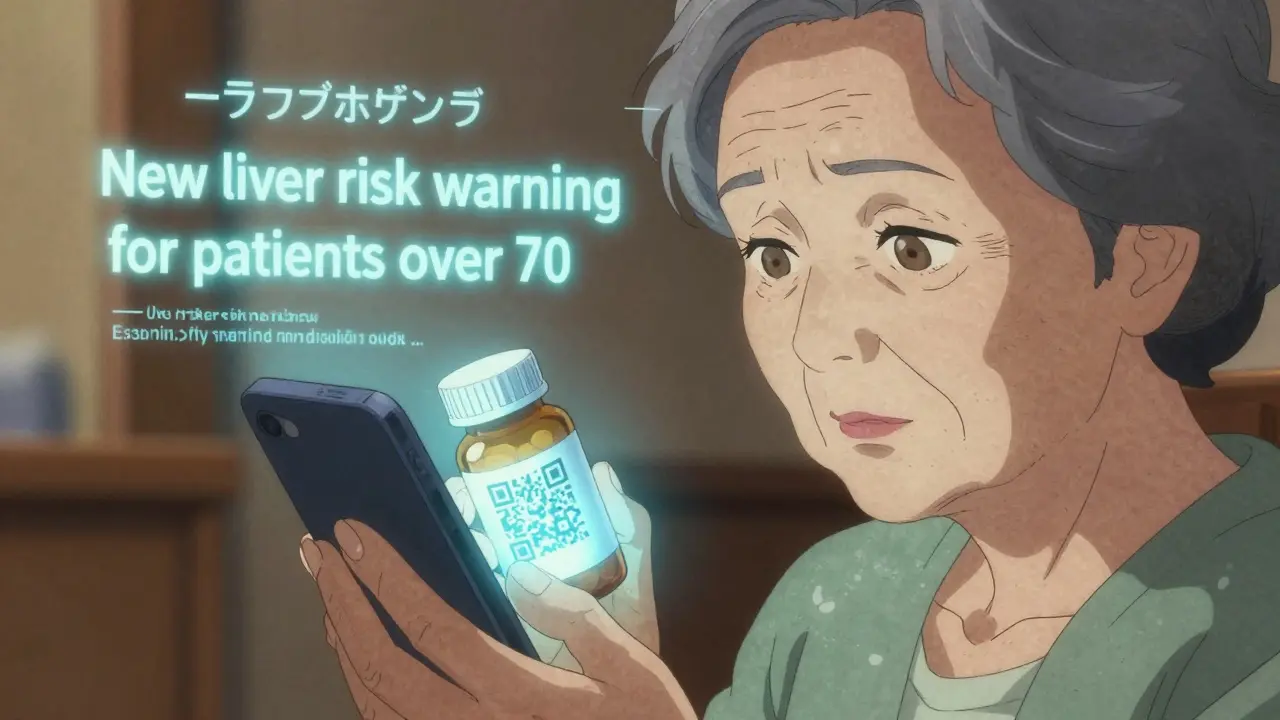
These aren’t simple barcodes. They’re smart, secure, and tied to complex systems. Each QR code connects to a cloud-hosted content management system that’s linked to the company’s pharmacovigilance database. When a new safety alert is issued - say, a risk of liver damage in elderly patients - the regulatory team flags it. The content team updates the e-labeling page. The system auto-publishes it. The QR code? Still the same. But now, when someone scans it, they get the latest version. Every scan is logged. Who scanned it? When? What version did they see? That’s not just for company records - it’s required by regulators. If there’s ever a question about whether a patient was properly informed, the audit trail is there. It’s also how companies track how many people are actually using the info. Some systems even integrate with electronic health records, so a pharmacist or doctor can pull up the same updated label directly in their patient chart. Security is tight. The links are encrypted. QR codes can verify lot numbers and expiration dates, helping stop counterfeit drugs. If a bottle’s QR code doesn’t match the manufacturer’s database, it flags as fake. That’s a huge win for supply chain safety.Why It’s Better Than Printed Leaflets
Printed patient information leaflets (PILs) have one fatal flaw: they’re always behind. A new warning comes out on Monday. The next batch of pills hits shelves in six weeks. In that time, hundreds - maybe thousands - of people are taking the drug with outdated info. QR codes fix that. They cut the update time from months to hours. That’s why pharmacy staff prefer them. A 2024 study found 85% of pharmacists would rather use digital patient info leaflets (ePILs) delivered via QR code than printed ones. Why? Because they can instantly show patients the latest safety data during counseling. One hospital in Bristol reported a 40% improvement in patient understanding of complex drug regimens after switching to QR codes on discharge meds. It also helps in emergencies. Emergency responders scanning a QR code on a patient’s pill bottle can get critical info - allergies, contraindications, overdose instructions - without waiting for a family member to find the leaflet. Freyr Solutions documented cases where this saved time in critical moments.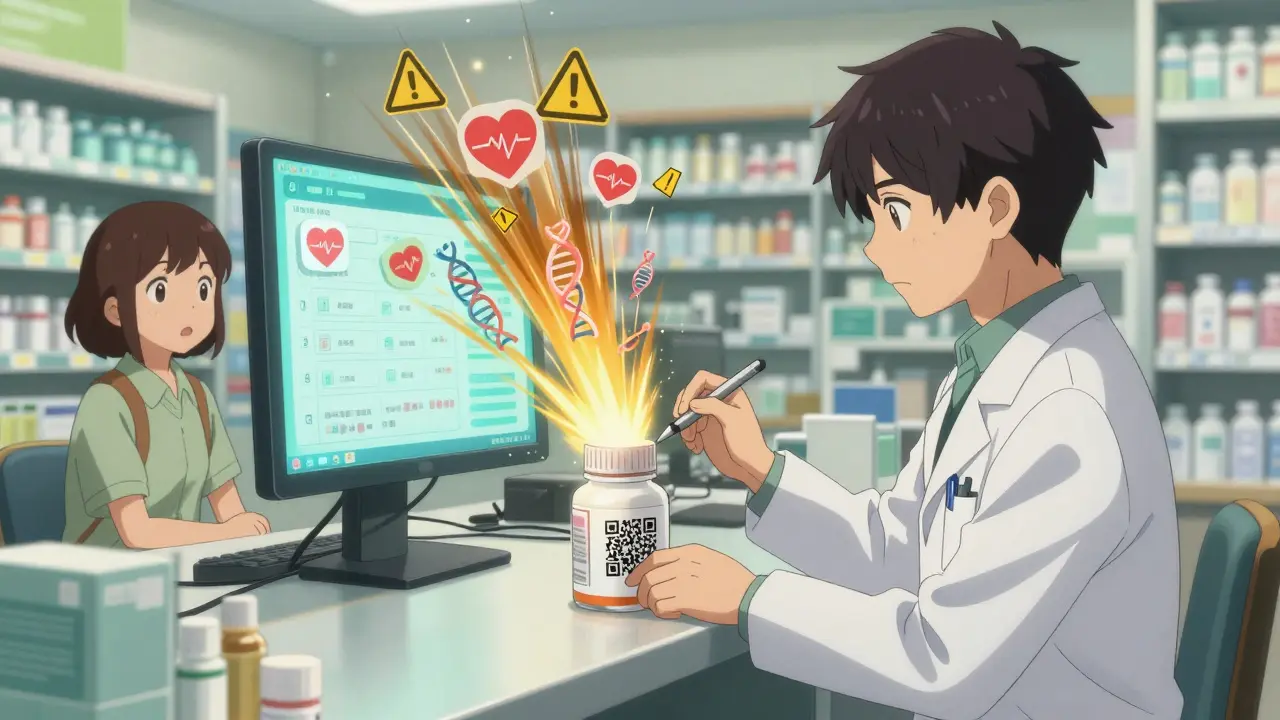
The Flip Side: Who Gets Left Behind?
It’s not perfect. Not everyone has a smartphone. Not everyone knows how to scan a QR code. In rural clinics, nursing homes, or among older adults, tech barriers are real. One user on HackerNews reported visiting three rural clinics where 60% of elderly patients couldn’t access the QR info because they didn’t own smartphones or had outdated ones. That’s why the best implementations don’t replace printed info - they add to it. DosePacker and other leaders in the space require that printed instructions stay on the package. Pharmacies are trained to scan the code for patients who need help. Some even have kiosks in waiting rooms where staff can assist. Regulators know this. The EFPIA and ABPI both stress that QR codes must be optional, not mandatory. If you can’t scan it, you still get the same info in print. The goal isn’t to cut out paper - it’s to give people a faster, more accurate option.Who’s Using This Right Now?
Spain was first. The UK is next. The U.S. military started using QR codes on prescriptions in 2022 to replace printed drug guides. In Germany and France, pilot programs are underway. The big players - Pfizer, Novartis, AstraZeneca - are all testing or rolling out the tech. Specialized tech companies like sQR.me, Vodori, and Freyr Solutions are helping pharma companies build the systems. They handle the cloud hosting, security, audit logs, and regulatory compliance. Without them, most drugmakers wouldn’t know where to start. The market is growing fast. By 2025, e-labeling is expected to be standard across Europe. The U.S. FDA hasn’t mandated it yet, but they’re watching closely. In Asia and Africa, adoption is slower - not because the tech doesn’t work, but because internet access and smartphone penetration aren’t universal yet.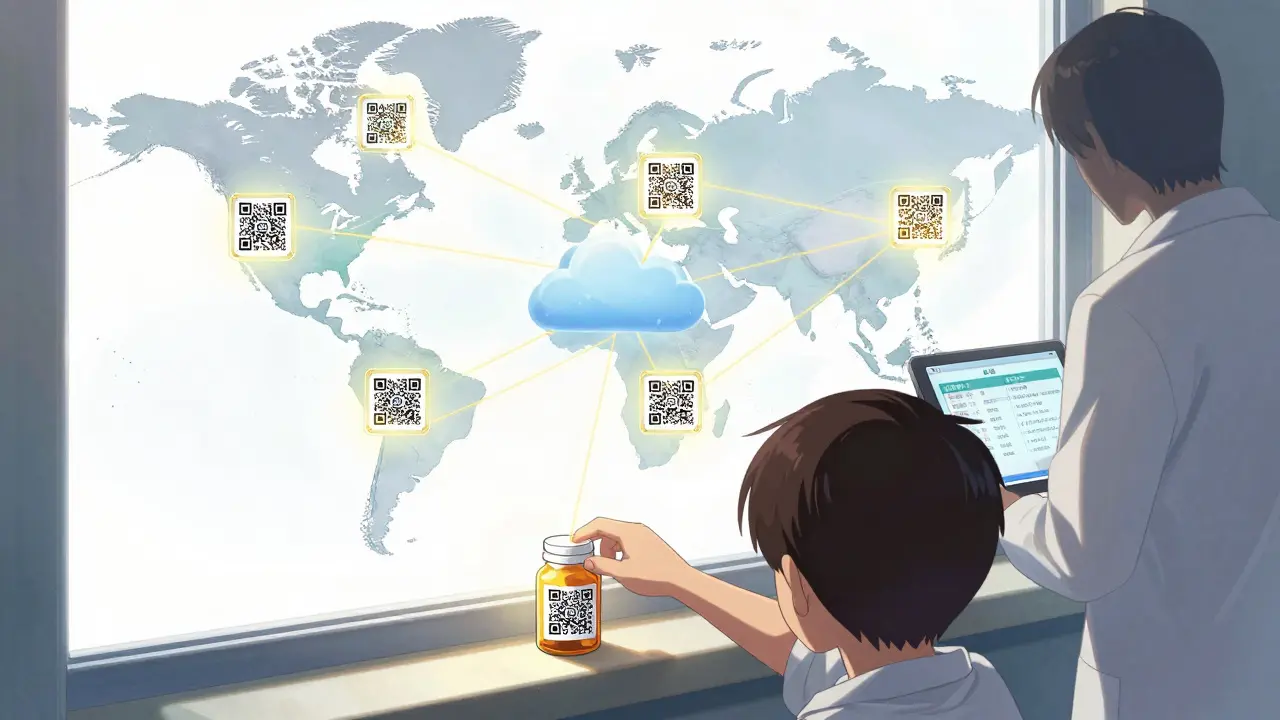
What’s Next?
This is just the beginning. In 2025, we’ll see QR codes linked to AI-powered tools that detect early safety signals. Imagine a system that flags unusual patterns in patient reports - say, a spike in dizziness among users over 70 - and auto-updates the QR code within hours. That’s already being tested. Apps like DosePacker’s MyDoses are tying QR codes to medication reminders, refill alerts, and side effect trackers. Scan the code, and you don’t just see safety info - you get a personalized medication dashboard. The long-term vision? A global, unified system where every drug, everywhere, has a live, multilingual safety feed. No more country-by-country delays. No more printing errors. Just real-time, accurate, accessible info.What You Need to Do
If you’re a patient: Scan the QR code on your prescription. Don’t assume the printed leaflet is current. Use the digital version. If you can’t scan it, ask your pharmacist. They’re trained to help. If you’re a caregiver: Keep the printed leaflet handy - but don’t rely on it alone. Ask if the drug has a QR code. Use it. You might catch a warning that wasn’t on the paper. If you’re a healthcare provider: Start asking patients if they’ve scanned their meds. Use the ePILs in your consultations. Push for QR codes in your hospital’s formulary. This isn’t just tech - it’s patient safety.Final Thought
QR codes on drug labels aren’t about convenience. They’re about survival. Every day, people take medications with outdated, incomplete, or wrong safety info. That’s not just a flaw - it’s a risk. This system closes that gap. It’s not perfect. But it’s the most effective step forward we’ve had in decades.It’s not about replacing paper. It’s about making sure the right info gets to the right person - when they need it.
Are QR codes on drug labels mandatory?
No, they’re not mandatory yet in most countries. But they’re officially allowed in the UK and Spain, and other countries are moving toward adoption. Regulations require that printed information remains available alongside QR codes to ensure access for everyone.
Can I still get printed information if I don’t have a smartphone?
Yes. All systems using QR codes on drug labels must still include printed patient information leaflets. The QR code is an added feature, not a replacement. Pharmacists are also trained to help patients access the digital info if needed.
Are QR codes secure? Could someone fake them?
Real pharmaceutical QR codes are encrypted and linked to manufacturer databases. Scanning one verifies the product’s lot number and expiration date. If the code doesn’t match the official database, it’s flagged as counterfeit. Only authorized companies can update the content behind the code.
How often are safety updates pushed through QR codes?
Updates happen as soon as regulators approve them - sometimes within hours. The system is designed for rapid deployment. The goal is to get critical safety info to patients within 90 days of approval, which is far faster than the months it used to take for printed label changes.
Do QR codes work on all smartphones?
Most modern smartphones can scan them without an app - just use the camera. Testing ensures compatibility across devices, lighting, and angles. But older phones or damaged QR codes can cause issues. That’s why printed info is still required.
Can I report a side effect through the QR code?
Yes. Many e-labeling systems include a direct link to report adverse events. Over 85% of pharmacists prefer digital reporting because it’s faster, more accurate, and automatically links the report to the specific drug batch. This helps regulators spot safety trends quicker.
Is this technology only for prescription drugs?
Right now, it’s mostly used for prescription medications, especially those with high-risk profiles. But some over-the-counter drugs, especially those with complex usage instructions or serious interaction risks, are starting to adopt QR codes too. The trend is expanding.
Comments
Arjun Seth
People still think paper is safe? That’s like saying horse-drawn carriages are safer than cars because you can’t get a software update on a horse.
On January 15, 2026 AT 19:34
Jan Hess
This is huge. Imagine if every pill bottle could tell you about a new warning before you even take it. Pharma companies finally getting it right. Let’s push this everywhere.
On January 17, 2026 AT 15:11
Jaspreet Kaur Chana
In India we’ve got grandmas who’ve been taking the same medicine for 20 years and they don’t even know what a QR code is but they know the color of the pill and the shape of the bottle and they trust that. This tech is brilliant but you can’t just slap a QR code on a bottle and expect everyone to suddenly become tech-savvy overnight. We need community health workers to walk door to door with tablets and show people how to scan it. Not replace the paper. Add to it. That’s the only way this works in places where the internet is slow and the phones are old and the trust is in the person not the app.
On January 19, 2026 AT 11:23
Haley Graves
I’ve seen pharmacists waste 10 minutes digging through printed leaflets while patients sit there confused. With QR codes they pull up the latest update in 3 seconds. It’s not just convenience-it’s reducing errors. This should be mandatory in every hospital pharmacy by 2026.
On January 19, 2026 AT 22:06
Gloria Montero Puertas
Of course, the pharmaceutical industry loves this-because now they can push updates without ever having to print a new label, which means they can avoid accountability. Who’s auditing these databases? Who’s ensuring the updates aren’t delayed for legal reasons? Don’t be fooled-it’s not transparency, it’s controlled narrative.
On January 20, 2026 AT 23:06
Tom Doan
So… you’re telling me that a system designed to prevent patient harm is now dependent on smartphone cameras, internet connectivity, and corporate cloud infrastructure? And you call this progress? I’m impressed by the engineering. I’m terrified by the fragility.
On January 22, 2026 AT 03:49
Annie Choi
QR codes on meds = pharmacovigilance 2.0. Real-time AE reporting, batch-level traceability, dynamic labeling-this is the future. The only thing holding it back is legacy infrastructure and fear of change. We’re not talking about gimmicks here. We’re talking about closing the safety gap that’s killed people for decades.
On January 22, 2026 AT 13:10
Ayush Pareek
My uncle in Punjab can’t scan a QR code but he can read Hindi. If the digital version is only in English, it’s useless. The tech is great but the rollout has to be inclusive. Translation, voice options, local language support-those aren’t extras. They’re the point.
On January 24, 2026 AT 11:30
Sarah Mailloux
My grandma just asked me to scan her blood pressure pill. She didn’t know the warning changed. I showed her the update on my phone. She cried. Not because she was scared-because she finally felt like someone was listening. This isn’t tech. It’s care.
On January 24, 2026 AT 11:54
Nilesh Khedekar
QR codes? Oh sure, let’s make the elderly choose between dying from wrong dosage or being tech-illiterate. Brilliant. Meanwhile, the same companies that push this tech lobby to block price controls. You think they care about safety? They care about liability shields. This is PR dressed as innovation.
On January 26, 2026 AT 11:28
RUTH DE OLIVEIRA ALVES
While the technological infrastructure for dynamic QR-based pharmaceutical labeling is undeniably sophisticated and aligns with international regulatory frameworks such as EFPIA and ABPI guidelines, the implementation must adhere to the principle of equitable access, ensuring that non-digital alternatives remain not merely available but actively promoted and supported by trained personnel in all care environments.
On January 27, 2026 AT 23:21
Crystel Ann
I scanned my insulin bottle yesterday. Found out the warning about alcohol interactions was updated last week. I had no idea. Thanks, QR code. I’m alive today because of this.
On January 28, 2026 AT 13:47
Dan Mack
QR codes on pills? Who’s really behind this? Big Pharma? The government? The WHO? Or is this just a stealthy way to track every single pill you take? I’ve got a feeling this is the first step to mandatory health surveillance. Next thing you know, your phone will auto-report your vitals every time you scan.
On January 30, 2026 AT 01:03
Amy Vickberg
Let’s not forget the people who can’t scan but still need the info. This isn’t about tech superiority-it’s about making sure no one gets left behind. Pharmacies should have tablets ready. Nurses should be trained. Grandparents shouldn’t have to beg their grandkids to read their medicine. We can do better.
On January 31, 2026 AT 01:18