
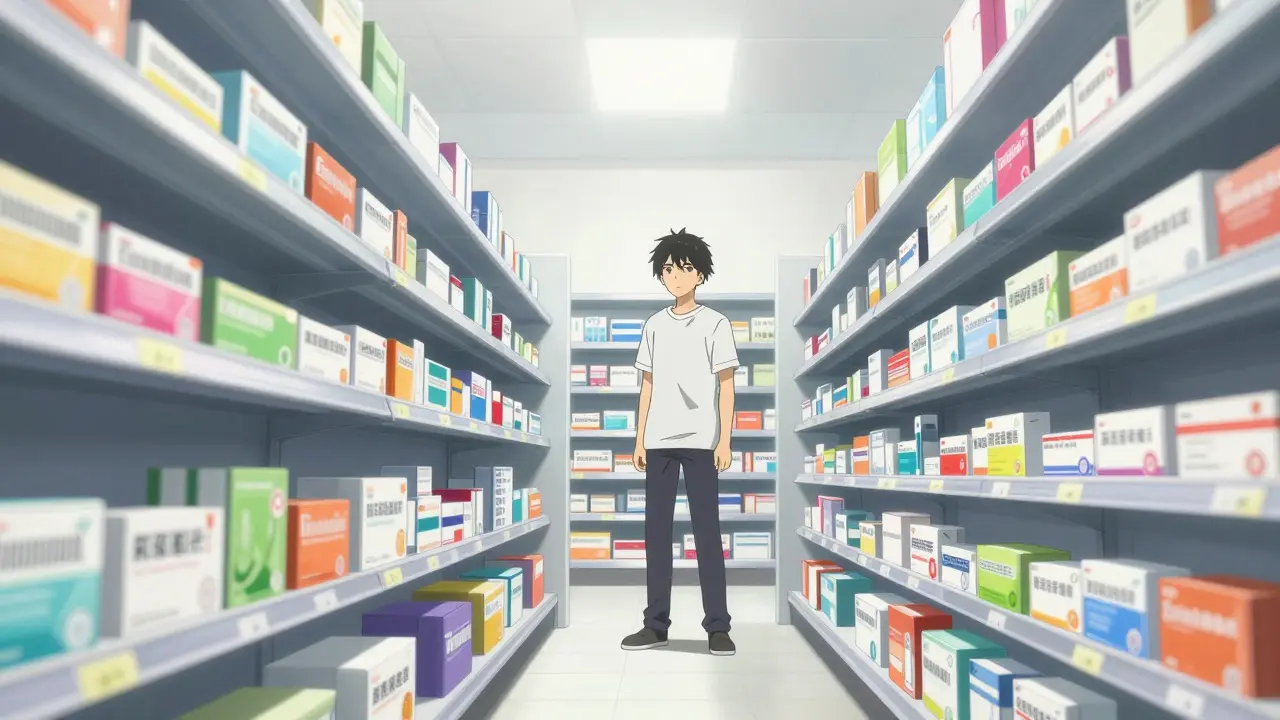
Ever walked down the pharmacy aisle and felt completely overwhelmed by the wall of colorful boxes? You're not alone. Most of us grab a bottle of painkillers or a cough syrup without a second thought, assuming that because it doesn't require a prescription, it's harmless. But here's the reality: over-the-counter medications are powerful chemical tools. When used correctly, they save you a trip to the doctor; when misused, they can lead to thousands of emergency room visits every year.
The goal isn't to make you afraid of your medicine cabinet, but to give you the tools to use these products safely. Whether you're dealing with a stubborn tension headache or a seasonal cold, knowing exactly what you're putting into your body is the difference between a quick recovery and a dangerous complication.
The Basics of OTC Medicine
At its simplest, Over-the-Counter (OTC) medications are pharmaceutical products available for purchase without a healthcare provider's prescription. They are designed to treat minor ailments and manage symptoms for a vast array of conditions. In fact, these products cover roughly 80 different therapeutic categories, ranging from simple nasal sprays to complex digestive aids.
You might be surprised by what actually counts as an OTC drug. It isn't just pills and syrups. The FDA classifies things like fluoride toothpastes, salicylic acid wart removers, and even certain dandruff shampoos containing zinc pyrithione as OTC medications. Because they contain active ingredients that change how your body functions, they are held to strict safety standards.
To keep these products safe, the government uses a system called the OTC Drug Review. This ensures that before a product hits the shelf, its active ingredients are proven safe and effective. Recent updates, like the CARES Act of 2020, have streamlined this process to get innovative treatments to the public faster while reacting more quickly to safety concerns.
Decoding the Drug Facts Label
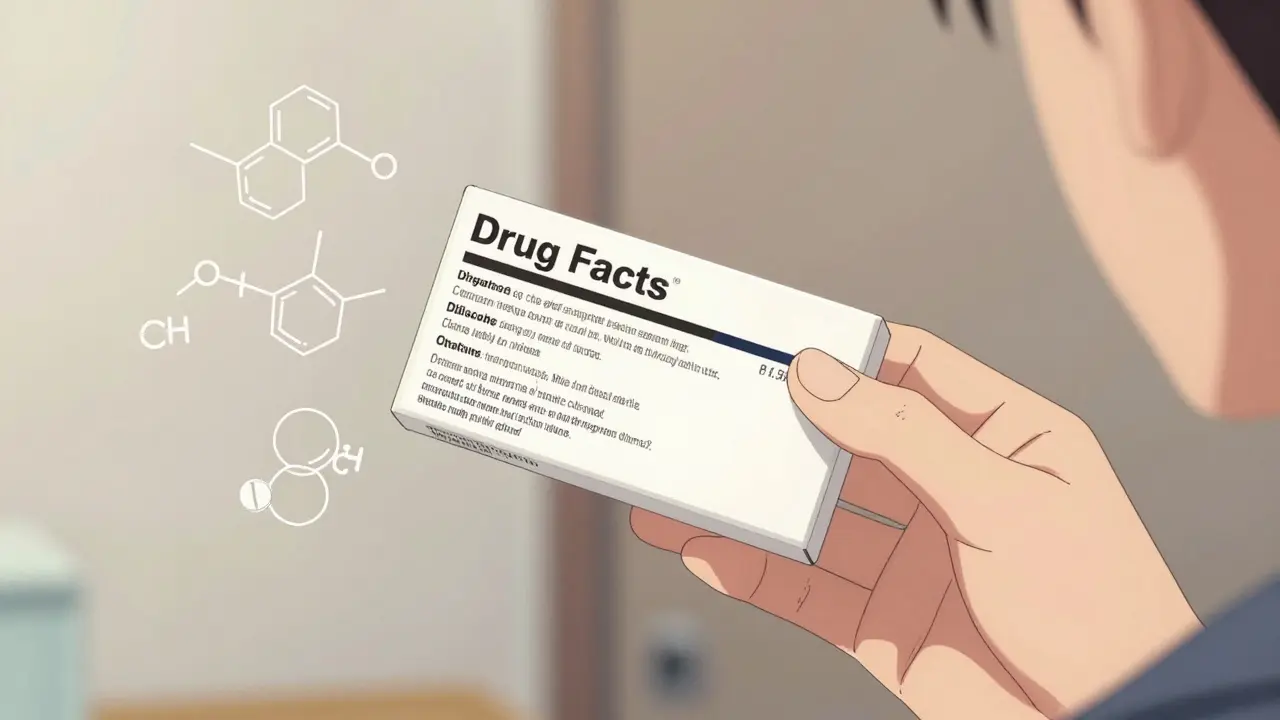
If there is one skill you need for safe self-care, it's the ability to read the "Drug Facts" label. Introduced in 1999, this standardized format is designed to prevent the very mistakes that lead to poison control calls. Unfortunately, only about 22% of people actually read the whole thing.
When you pick up a box, look for these three critical areas first:
- Active Ingredients: This is the actual chemical doing the work. If you're taking a "Multi-Symptom Cold & Flu" medicine and a separate painkiller, check if they both contain the same active ingredient. Taking both could lead to a dangerous overdose.
- Warnings: This section tells you who should not take the drug. For instance, if you have high blood pressure or asthma, certain pain relievers could be risky.
- Directions: Pay close attention to the dosage and timing. Phrases like "do not exceed 6 tablets in 24 hours" are non-negotiable. Miscalculating a dose is the number one reason for OTC-related accidents.
Pain Relief: Choosing the Right Tool
Pain management is the biggest slice of the OTC market, but not all painkillers are created equal. The two heavy hitters are acetaminophen and NSAIDs, and using the wrong one for your specific pain can be ineffective or even harmful.
Acetaminophen is a non-aspirin pain reliever and fever reducer that is generally the first choice for general body aches and headaches. It's easier on the stomach, but it has a strict ceiling. You should never exceed 3,000mg (3 grams) in a day. Exceeding this limit can cause severe, sometimes fatal, liver damage.
On the other hand, NSAIDs (Nonsteroidal Anti-inflammatory Drugs) like Ibuprofen or Naproxen sodium are designed to fight inflammation. If you have a swollen joint or a muscle strain, an NSAID is usually more effective than acetaminophen because it actually reduces the swelling.
| Feature | Acetaminophen | Ibuprofen (NSAID) | Naproxen (NSAID) |
|---|---|---|---|
| Primary Use | Headaches, Fever | Inflammation, Muscle Pain | Long-term Joint Pain |
| Max Daily Dose (OTC) | 3,000 mg | 1,200 mg | 660 mg |
| Main Risk | Liver Damage | Stomach Ulcers / Kidneys | Stomach Ulcers / Kidneys |
| Best For | Sensitive Stomachs | Quick Inflammation Relief | Longer Duration (12 hrs) |
Hidden Dangers and Contraindications
The biggest misconception about OTC drugs is that they are "safe for everyone." In reality, your medical history determines what you can take. For example, if you have unstable high blood pressure or are taking anticoagulants (blood thinners), ibuprofen and naproxen can be dangerous, potentially causing gastrointestinal bleeding or increasing the risk of a heart attack.
Then there is the issue of "hidden" ingredients. Many people accidentally double-dose because they don't realize that a nighttime sleep aid and a cold remedy both contain Diphenhydramine, an antihistamine that causes drowsiness. This leads to extreme lethargy and can be dangerous if you need to drive or operate machinery.
Some OTC drugs are so powerful or prone to misuse that they have legal restrictions. Pseudoephedrine (found in some Sudafed products) is used as a precursor in the illegal manufacture of methamphetamine. Because of this, many regions require a photo ID for purchase to track who is buying it.

Best Practices for Storage and Disposal
How you store your medicine affects how well it works. Most people keep their meds in the bathroom cabinet, but the humidity and heat from the shower actually break down the chemicals faster. The ideal environment is a cool, dry place below 77°F (25°C).
Always check the expiration date. Most OTC products have a shelf life of 2-3 years. While an expired aspirin might not become toxic, it will likely lose its potency, meaning you won't get the relief you need. More importantly, liquid medications (like children's syrups) can degrade faster or grow bacteria once opened, making them risky for infants.
Finally, don't just throw old pills in the trash. Billions of dollars worth of unused OTC medications are discarded annually, often ending up in water supplies or being found by children. Use community "take-back" programs or pharmacy disposal kiosks to get rid of old meds safely.
When to Stop Self-Treating and See a Doctor
Self-care is great for a runny nose, but it's dangerous when used to mask a serious condition. If you find yourself relying on OTC meds for more than a week without improvement, it's time to stop. Using a nasal decongestant for too long, for instance, can cause "rebound congestion," where your nose stays stuffed up *because* of the medicine.
You should seek professional help immediately if you experience:
- An allergic reaction (hives, swelling, or difficulty breathing).
- Severe stomach pain after taking NSAIDs.
- A high fever that doesn't break with medication.
- Chest pain or shortness of breath.
Your pharmacist is your best first line of defense. About 78% of pharmacists provide OTC counseling every year. They can check for drug interactions and tell you if a specific brand is better for your specific health profile. A quick five-minute conversation with a pharmacist can reduce medication errors by over 60%.
Can I take ibuprofen and acetaminophen together?
In many cases, yes, because they work through different pathways in the body. However, you should only do this if a doctor or pharmacist confirms it's safe for your specific health condition, especially if you have kidney or liver issues.
Why do some OTC drugs require a photo ID?
Certain ingredients, like pseudoephedrine, can be chemically converted into illicit drugs like methamphetamine. To prevent this, laws like the Combat Methamphetamine Epidemic Act require pharmacies to verify the buyer's identity.
What is the safest way to give OTC medicine to children?
Always use the dosing device (syringe or cup) that comes with that specific product. Never use a household kitchen spoon, as they vary in size and often lead to dosage errors. Always dose by weight rather than age for the most accurate measurement.
Do generic OTC drugs work as well as name brands?
Yes. Generic medications must contain the same active ingredients and meet the same FDA standards for safety and efficacy as the brand-name version. The only difference is usually the inactive ingredients (fillers, colors, flavors) and the price.
Is it dangerous to take OTC meds on an empty stomach?
It depends on the drug. NSAIDs (like ibuprofen) can irritate the stomach lining and increase the risk of ulcers, so they should generally be taken with food. Acetaminophen is typically gentler on the stomach and can be taken without food.
Comments
john chiong
absolute madness that folks just blindly swallow chemical cocktails without a shred of intellectual rigor its a total circus of ignorance
On April 14, 2026 AT 22:00
Haley Moore
Ugh the bathroom cabinet thing is such a mood 🙄 My medicine cabinet is basically a sauna and I'm just sitting here wondering if my ibuprofen is basically soup now lol 💅✨
On April 14, 2026 AT 23:22
Jasmin Stowers
good points here. just keep it simple and read the box
On April 16, 2026 AT 22:39
S.A. Reid
One must ponder if the standardized Drug Facts label is merely a psychological pacifier designed to instill a false sense of security while the pharmaceutical conglomerates curate the very ailments they treat. It is a fascinating exercise in corporate hegemony, though I do find the accessibility of generics to be a rare triumph of the common man over the elite brand lobbyists.
On April 17, 2026 AT 14:29
Anurag Moitra
The guidance regarding the usage of dosing devices for pediatric care is essential. Many caregivers mistakenly rely on domestic cutlery which inevitably leads to imprecise administration
On April 18, 2026 AT 00:11
rupa das
generics are barely different but people act like brands are magic
On April 19, 2026 AT 20:28
Sam Dyer
Typical government red tape with the ID for Sudafed but hey at least it keeps the tweakers off the street 🇺🇸 Only in the US do we have this level of chaos and brilliance at the same time 🙄
On April 20, 2026 AT 14:00
David Snyder
This is such a helpful breakdown! It's really great to have all this info in one place so we can feel more confident taking care of ourselves and our families. Keep the tips coming!
On April 21, 2026 AT 23:23
Brooke Mowat
Luv how this makes us think bout the body as a temple but also a chem lab lol! It's all about that vibe of balance and making sure we dont mess up our inner flow with too many pills 🌈✨ Just gotta stay mindful and keep it real!
On April 22, 2026 AT 07:50
Randy Ryder
From a pharmacokinetic perspective, the distinction between the COX-1 and COX-2 inhibition of NSAIDs versus the central nervous system action of acetaminophen is crucial. Understanding the systemic bioavailability of these agents helps in optimizing the therapeutic window for inflammation management.
On April 22, 2026 AT 11:41
Ikram Khan
Wait, the bathroom is actually the worst place for meds?! 😱 I've been keeping my stuff there for years! This is a total game changer for me!! 🤯
On April 24, 2026 AT 08:24
melissa mac
It's totally okay to feel overwhelmed by those aisles. Just remember that your pharmacist is there to be a partner in your health, and they genuinely want to help you make the safest choice for your unique needs.
On April 25, 2026 AT 06:36
Mark Dueben
I suppose it's worth mentioning that some people might find the label font too small to read, which is why talking to the professional is a good fallback, if one can manage the wait time.
On April 27, 2026 AT 01:39