
When a drug causes unexpected harm, FDA adverse event reporting, a system that collects and analyzes reports of harmful side effects from medications, vaccines, and medical devices. Also known as MedWatch, it’s the backbone of post-market drug safety in the U.S. This isn’t just paperwork—it’s how the FDA finds out that a pill, injection, or even an over-the-counter supplement might be putting people at risk.
Every time someone has a bad reaction—like liver damage from a new antibiotic, a heart rhythm problem after a blood pressure med, or a severe rash from a supplement—they or their doctor can file a report. These reports go into a giant public database. The FDA doesn’t wait for perfect data. They look for patterns: if ten people report the same rare side effect after taking a new generic, that’s a red flag. That’s how drugs get boxed warnings, get pulled from shelves, or get new safety labels. MedWatch, the FDA’s official portal for reporting adverse events, is open to anyone—patients, pharmacists, nurses, caregivers. You don’t need a medical degree to file one. And if you’ve ever wondered why your doctor asked if you’ve had any strange symptoms after starting a new med, that’s why.
It’s not just about big pharma. Even cheap generics, herbal supplements, and OTC painkillers show up in these reports. That’s why posts here cover things like NTI generics, drugs like levothyroxine and warfarin where tiny differences in absorption can cause serious harm, or why lithium toxicity, often triggered by common drugs like diuretics and NSAIDs gets flagged. These aren’t theoretical risks—they’re real events reported by real people. And they’re why the FDA updates boxed warnings, blocks imports from unsafe manufacturers, and pushes for better tracking systems like DSCSA, the federal track-and-trace system that fights counterfeit drugs.
What you’ll find below isn’t a list of scary stories. It’s a collection of real, practical insights from people who’ve been through it—whether it’s learning how to spot early signs of a bad reaction, knowing when to report a side effect, or understanding why your pharmacist asked if you’re taking that supplement. These posts help you connect the dots between what you take and what happens next. You’ll see how reports from patients led to changes in labeling, how family support plays a role in catching psychosis-related drug reactions, and why sharing your OTC use with your provider isn’t optional—it’s life-saving. This isn’t just about compliance. It’s about giving you the power to speak up when something doesn’t feel right. And that’s how the system actually works.
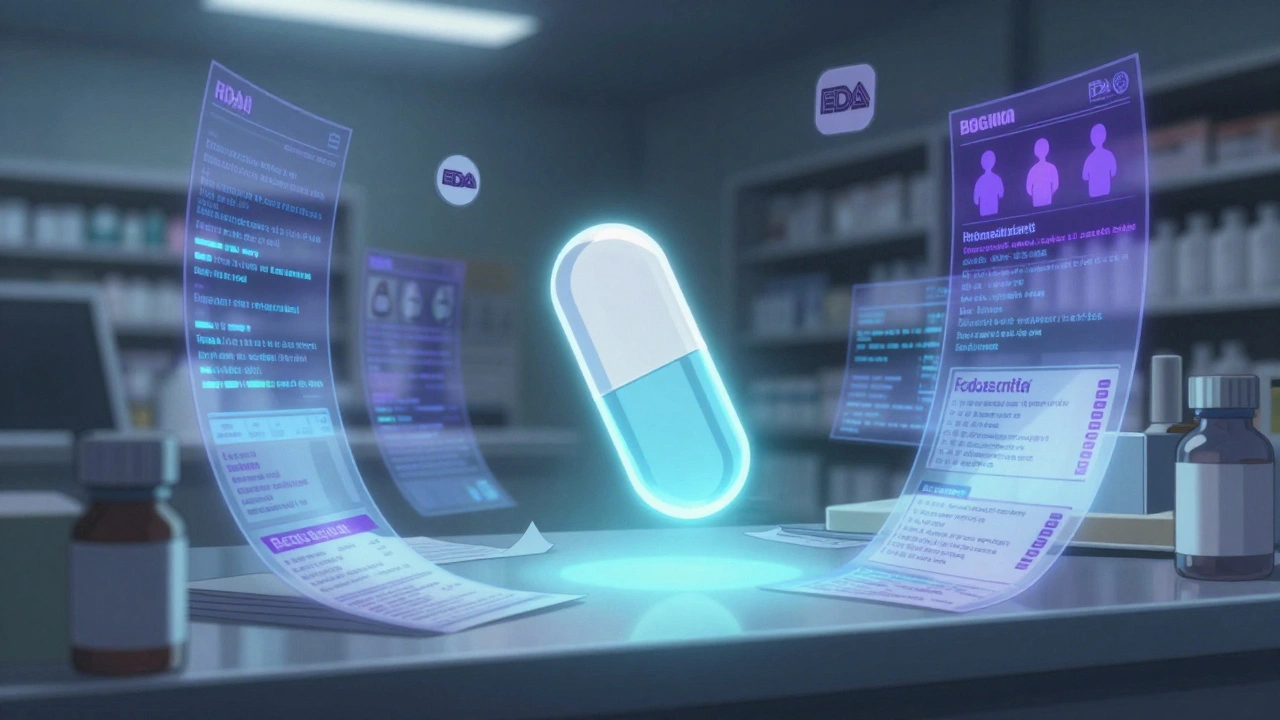
The FDA monitors generic drug safety after approval using real-world data, adverse event reports, and manufacturing quality checks. Learn how they detect problems, what gaps remain, and how patients can help.
Read More© 2026. All rights reserved.