
When you think of therapy for nightmares, you might picture talking through fears or taking medication. But imagery rehearsal therapy, a cognitive-behavioral technique where people rewrite and mentally rehearse their nightmares to reduce their power. It’s not about suppressing dreams—it’s about taking back control of them. This approach doesn’t require pills or years of sessions. People with PTSD, anxiety, or even chronic nightmares from trauma have used it to cut nightmare frequency by half or more—often within just a few weeks.
Imagery rehearsal therapy works because your brain treats vivid mental images like real experiences. If you keep dreaming about being chased, stuck, or helpless, your mind starts to expect that story. The therapy flips the script: you pick a recurring nightmare, change the ending while awake, and then mentally replay the new version for 10–20 minutes daily. You’re not just imagining something better—you’re training your brain to default to it. It’s like updating software in your sleep system. And it’s not just for veterans. People with insomnia, sleep apnea, or even kids with night terrors have seen results.
Related tools like mental visualization, the broader practice of using imagined scenarios to influence physical or emotional states are used in sports, pain management, and recovery—but imagery rehearsal therapy is the only one designed specifically to reprogram nightmares. It’s also closely tied to PTSD sleep treatment, a targeted approach to restoring restful sleep after trauma. Unlike sleep aids that mask symptoms, this method tackles the root: the recurring dream narrative. And because it’s non-pharmacological, it’s safe to combine with other treatments, including therapy or medication.
You won’t find this in every clinic, but it’s backed by real studies—from the VA to university sleep labs. Patients report fewer awakenings, less fear of going to bed, and better daytime focus. Some say they stop having nightmares altogether. It’s not magic. It’s repetition, focus, and rewriting your inner story. And if you’re tired of waking up scared, exhausted, or dreading sleep, this might be the simplest, most effective step you haven’t tried yet.
Below, you’ll find practical guides on how to apply this method, what to expect when starting, and how it compares with other sleep and trauma treatments. These aren’t theoretical—they’re real strategies used by people who’ve been where you are.
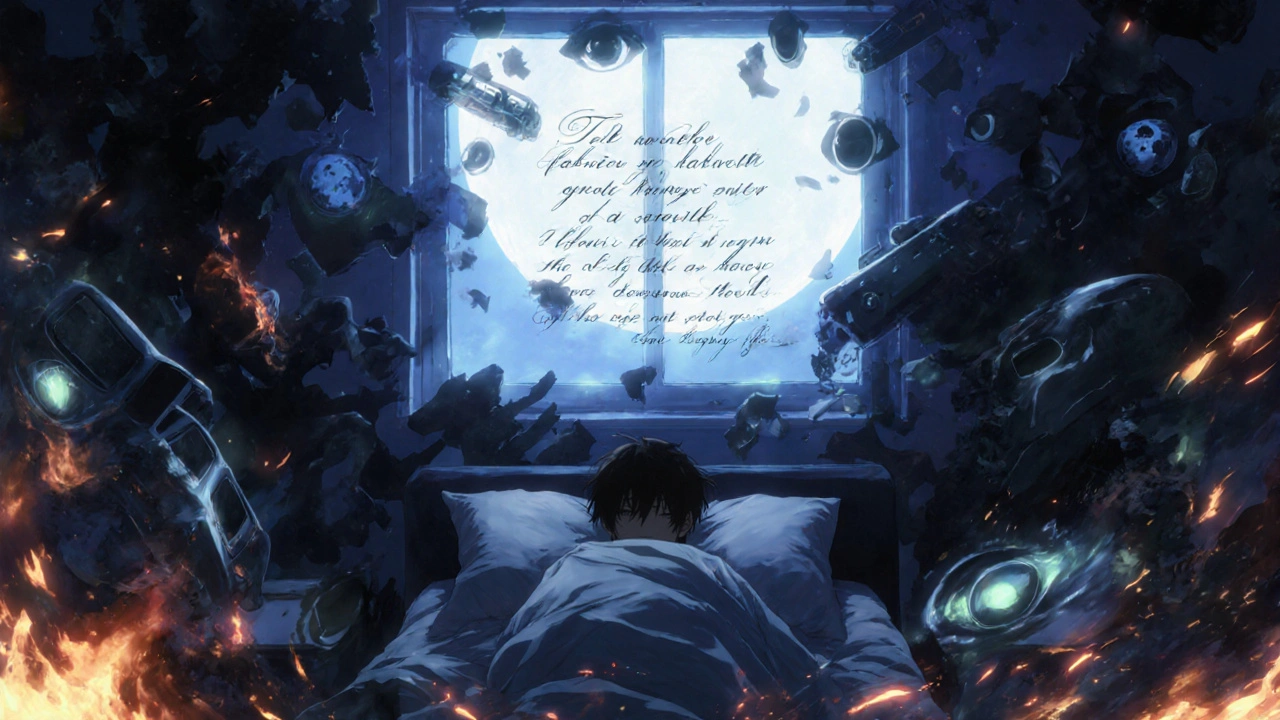
Imagery Rehearsal Therapy (IRT) is a proven, drug-free method to stop PTSD nightmares by rewriting them in your mind. Learn how it works, why it beats medication, and how to start today.
Read More© 2026. All rights reserved.