
When you take lithium, a mood-stabilizing medication used primarily to treat bipolar disorder. Also known as lithium carbonate, it works by balancing brain chemicals that affect mood swings. But lithium isn’t like other pills—it has a narrow safety window. Even small changes in your body can push it into dangerous territory. That’s why knowing about lithium drug interactions, how other medications, supplements, or even food can change how lithium works in your body isn’t optional—it’s life-saving.
Many common drugs can mess with lithium levels. Diuretics, like hydrochlorothiazide, are a big one—they make you pee more, which lowers sodium and causes your body to hold onto lithium. That can spike your levels fast and lead to tremors, confusion, or worse. NSAIDs like ibuprofen or naproxen? They reduce kidney blood flow, making it harder for your body to clear lithium out. Even some antibiotics, like metronidazole, can do the same. And don’t forget about lithium and kidney function, how long-term use can slowly reduce kidney efficiency, making it harder to remove the drug naturally. Your doctor will check your kidney and thyroid numbers regularly because lithium doesn’t just affect your mood—it affects your whole system.
What you eat and drink matters too. Low-sodium diets or sudden salt loss from sweating, vomiting, or diarrhea can cause lithium to build up. That’s why staying consistently hydrated and eating normal amounts of salt is part of the treatment. Alcohol? It dehydrates you and adds stress on your liver and kidneys. Caffeine? Too much can lower lithium levels, making your mood swings worse. And while some people turn to supplements like omega-3s or magnesium for mood support, those haven’t been proven safe to mix with lithium. Always talk to your doctor before adding anything new.
You’re not alone in managing this. Thousands of people take lithium successfully every day—but it takes attention. Blood tests every few months aren’t just routine; they’re your early warning system. If you start feeling off—more tired than usual, shaky hands, blurry vision, or nausea—don’t wait. Call your provider. The right balance keeps you stable without putting you at risk. Below, you’ll find real-world guides on how lithium fits into broader medication safety, what to watch for with other drugs, and how to avoid dangerous mistakes that could be avoided with simple awareness.
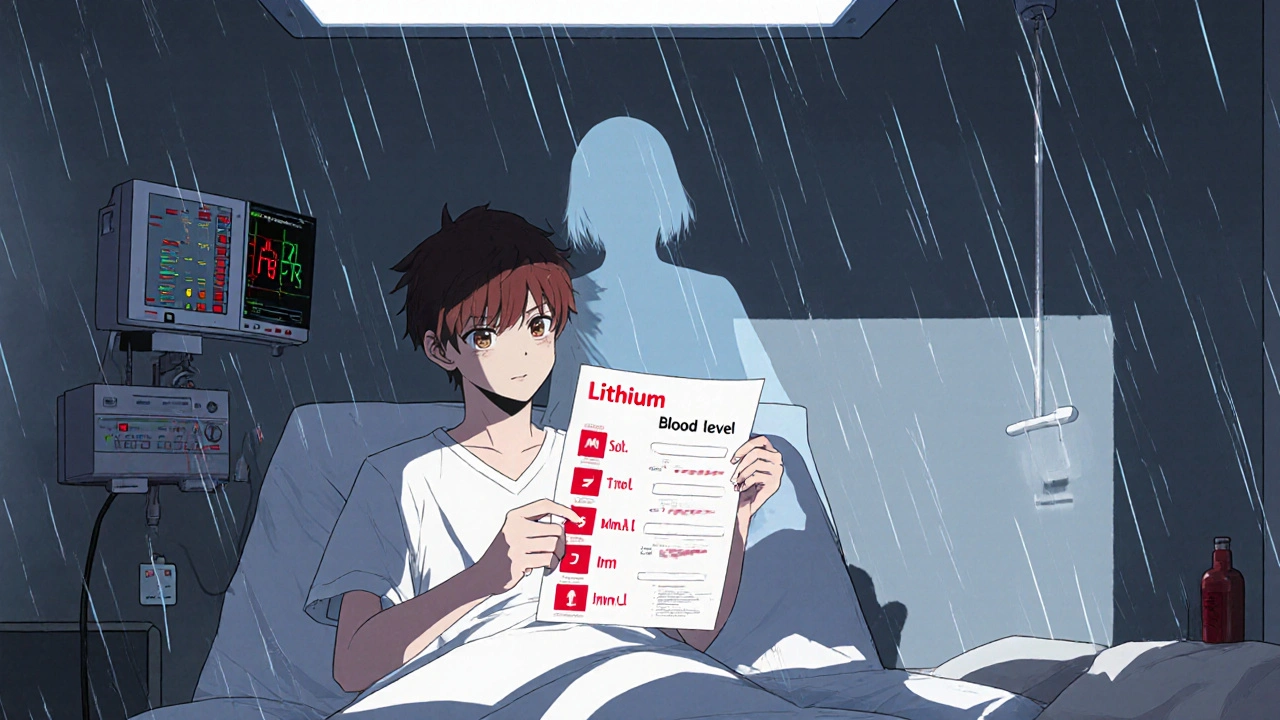
Lithium toxicity can happen quietly when common drugs like diuretics and NSAIDs interfere with kidney function. Learn how these interactions work, which medications are most dangerous, and what steps you must take to stay safe.
Read More© 2026. All rights reserved.