
When used correctly, lithium, a mood-stabilizing medication commonly prescribed for bipolar disorder. Also known as lithium carbonate, it helps control extreme mood swings—but it has a very narrow safety window. Even small mistakes in dosage or hydration can push levels into the dangerous range, leading to lithium toxicity, a potentially life-threatening buildup of lithium in the bloodstream.
What makes lithium tricky is that the dose needed to help often sits right next to the dose that harms. lithium blood levels, the key measure doctors use to monitor safety are typically kept between 0.6 and 1.0 mEq/L. Go above 1.5, and symptoms start showing. Above 2.0, it becomes a medical emergency. Many people don’t realize they’re at risk until they feel shaky, nauseous, or confused—signs that are easy to blame on stress, the flu, or aging. But if you’re on lithium, those symptoms could mean your body can’t clear the drug fast enough.
Dehydration is one of the biggest triggers. A hot day, a bad stomach bug, or even cutting back on water to avoid frequent bathroom trips can spike lithium levels. Some common painkillers like ibuprofen or naproxen can also interfere with how your kidneys handle lithium. Even switching to a low-sodium diet without telling your doctor can cause problems—less salt means your body holds onto lithium longer. And because lithium builds up slowly, toxicity doesn’t always hit right after a dose change. It can creep up over days or weeks, which is why regular blood tests aren’t optional—they’re essential.
People on long-term lithium therapy often need to see their doctor every few months, even if they feel fine. The same goes for anyone starting or adjusting their dose. You can’t rely on how you feel alone. Blood tests catch problems before symptoms do. And if you notice new tremors, slurred speech, frequent urination, or dizziness—don’t wait. Call your doctor or go to the ER. Lithium toxicity can lead to seizures, kidney damage, or heart rhythm issues if not treated fast.
There’s no magic fix to prevent it other than awareness and consistency. Keep your water intake steady. Tell every new doctor you’re on lithium before they prescribe anything. Don’t mix it with diuretics or NSAIDs unless your provider says it’s safe. And if you ever miss a dose or accidentally take too much, don’t guess—call your pharmacist or poison control immediately. The good news? With careful monitoring, lithium remains one of the most effective treatments for bipolar disorder. The risk isn’t about avoiding it altogether—it’s about knowing how to use it safely.
Below, you’ll find real-world guides that break down how lithium interacts with other drugs, what blood tests actually tell you, how to spot early warning signs, and what to do when things go wrong. These aren’t theory pages—they’re practical tools written for people managing this medication every day.
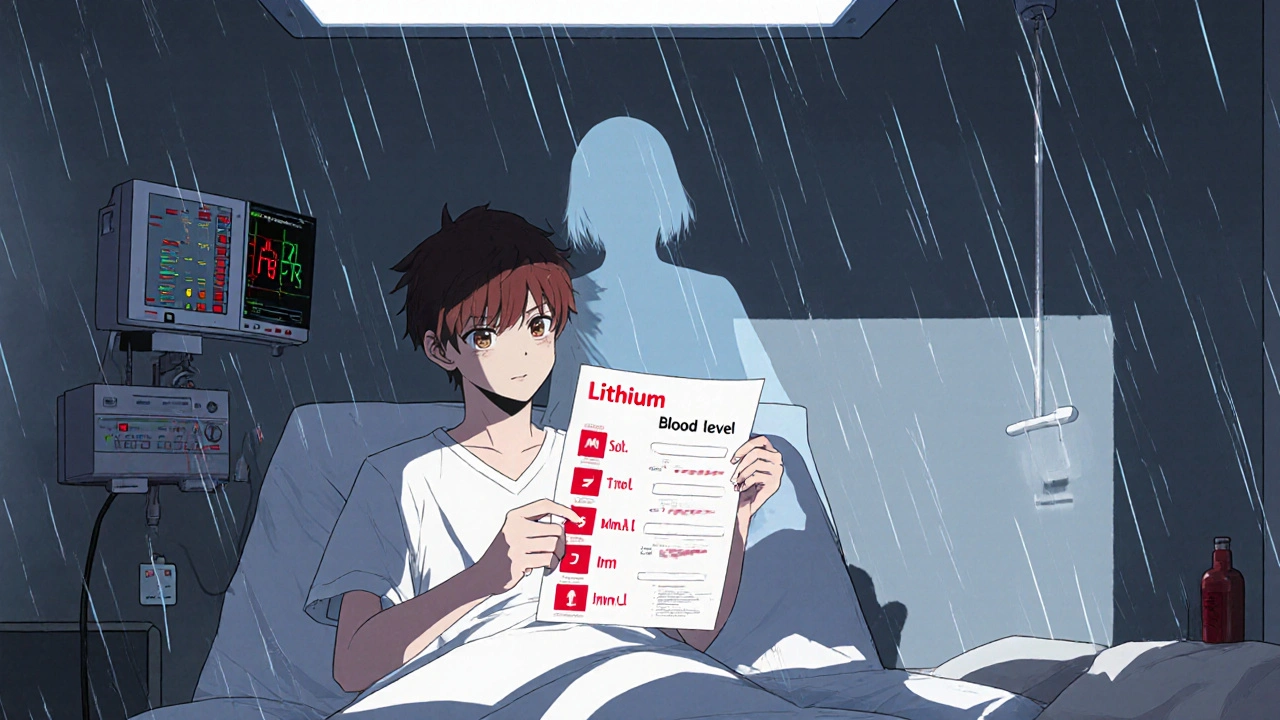
Lithium toxicity can happen quietly when common drugs like diuretics and NSAIDs interfere with kidney function. Learn how these interactions work, which medications are most dangerous, and what steps you must take to stay safe.
Read More© 2026. All rights reserved.