
When you have Meniere's disease, a disorder of the inner ear that causes vertigo, hearing loss, and ringing in the ears. It's often linked to excess fluid pressure in the inner ear. One of the most consistent, science-backed ways to manage it? Cutting back on sodium, a mineral that pulls water into tissues and can worsen fluid buildup. Also known as salt, it’s not just what you add at the table—it’s hidden in bread, canned soups, deli meats, and even some medications. You don’t need to go zero-sodium, but aiming for under 1,500 mg a day makes a real difference for many people.
Why does this work? Your inner ear has tiny fluid-filled chambers. Too much sodium means your body holds onto more water, increasing pressure in those chambers. That pressure triggers the spinning dizziness, muffled hearing, and buzzing sounds that define a Meniere's attack. Studies tracking patients over months show those who stick to a low-sodium plan have fewer and less severe episodes. It’s not a cure, but it’s one of the few tools that actually changes the course of symptoms without pills or surgery. And it works best when paired with other habits—like avoiding caffeine, alcohol, and quitting smoking—all of which also affect inner ear blood flow.
You’ll find that many of the foods that spike sodium also trigger other issues. Processed snacks? High in salt and often full of MSG, which some people with Meniere's report worsens their symptoms. Restaurant meals? Even "healthy" salads can have over 1,000 mg of sodium from dressings and cured toppings. The key is learning to read labels and cook more at home. Swap salted nuts for unsalted, choose fresh chicken over deli slices, and rinse canned beans to wash away up to 40% of the sodium. Some people find potassium-rich foods like bananas, spinach, and sweet potatoes help balance sodium levels naturally. And if you’re on diuretics like hydrochlorothiazide, low sodium can make those meds work better without overdoing it.
There’s no one-size-fits-all plan, but the pattern is clear: less sodium = more stability. People who track their intake with a simple app or journal often see improvements in just a few weeks. It’s not about perfection—it’s about consistency. And if you’re already managing other conditions like high blood pressure or kidney disease, cutting sodium helps there too. The real win? You’re taking control of something tangible, without waiting for a new drug to hit the market.
Below, you’ll find real-world advice from people who’ve lived with Meniere's, along with guides on how to read food labels, plan meals, and spot hidden sodium in everyday products. Some posts even compare how sodium restriction stacks up against other dietary approaches—and what actually sticks over time.
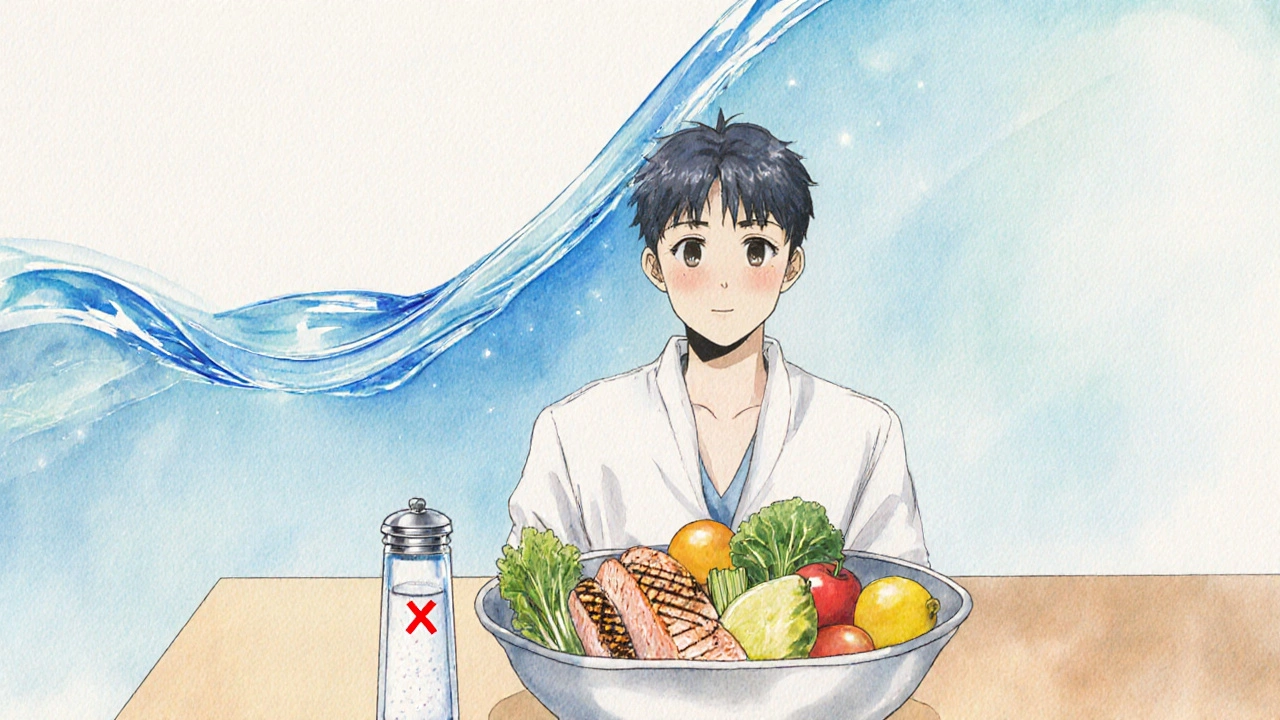
A low-sodium diet and proper fluid balance are proven first-line treatments for Meniere’s disease. Cutting salt to 1,500 mg/day and drinking 35 ml/kg of water daily can reduce vertigo, improve hearing, and ease tinnitus-without drugs or surgery.
Read More© 2026. All rights reserved.