
When people talk about low T, a condition where the body produces less testosterone than it needs. Also known as low testosterone, it’s not just an aging issue—it can hit men in their 30s, 40s, or even younger, and it affects more than just sex drive. Testosterone isn’t just a "male hormone"—it’s a key player in muscle mass, bone density, energy, mood, and even how your brain handles stress. When levels drop, you don’t just feel sluggish—you might notice brain fog, irritability, unexplained weight gain, or trouble sleeping, even if you’re doing everything "right."
Many assume low T means you need a shot or a patch, but the real story is more complex. testosterone levels, the amount of active hormone circulating in your bloodstream can dip because of sleep loss, chronic stress, obesity, or even certain medications. It’s not always a simple fix. Some men see improvement just by lifting weights, cutting sugar, or getting seven hours of sleep—not because of a pill, but because their body finally got the conditions it needs to produce more on its own. Others may need testing for thyroid issues, diabetes, or even sleep apnea, which quietly steal testosterone without you noticing.
And here’s what most guides leave out: low testosterone symptoms, the physical and emotional signs that your body is signaling a hormone imbalance often get mistaken for normal life stress. Feeling down? Maybe it’s not just work. Losing muscle fast? Could be more than just getting older. These aren’t just vague complaints—they’re biological signals. That’s why knowing the difference between normal fatigue and true low T matters. Blood tests help, but they’re not the whole picture. Timing matters (morning levels are highest), and total testosterone isn’t everything—free testosterone and SHBG levels give a clearer picture.
What you’ll find in these posts isn’t hype or quick fixes. It’s real talk from people who’ve been there. You’ll read about how testosterone replacement, medical treatments like gels, injections, or pellets to restore hormone levels can help—but also the risks, like how some men end up with worse sleep or mood swings after starting. You’ll see how over-the-counter supplements often promise more than they deliver, and why telling your provider exactly what you’re taking (even that "natural" boost) is critical to avoid dangerous interactions. You’ll learn how common drugs—like painkillers, antidepressants, or even some heart meds—can quietly lower testosterone, and what to ask your doctor if you’re on them.
This isn’t about chasing muscle or libido. It’s about reclaiming your baseline. Feeling like yourself again. Sleeping through the night. Having energy to play with your kids or walk the dog without needing a nap. That’s what low T really means—and what these posts help you fix, safely and smartly.
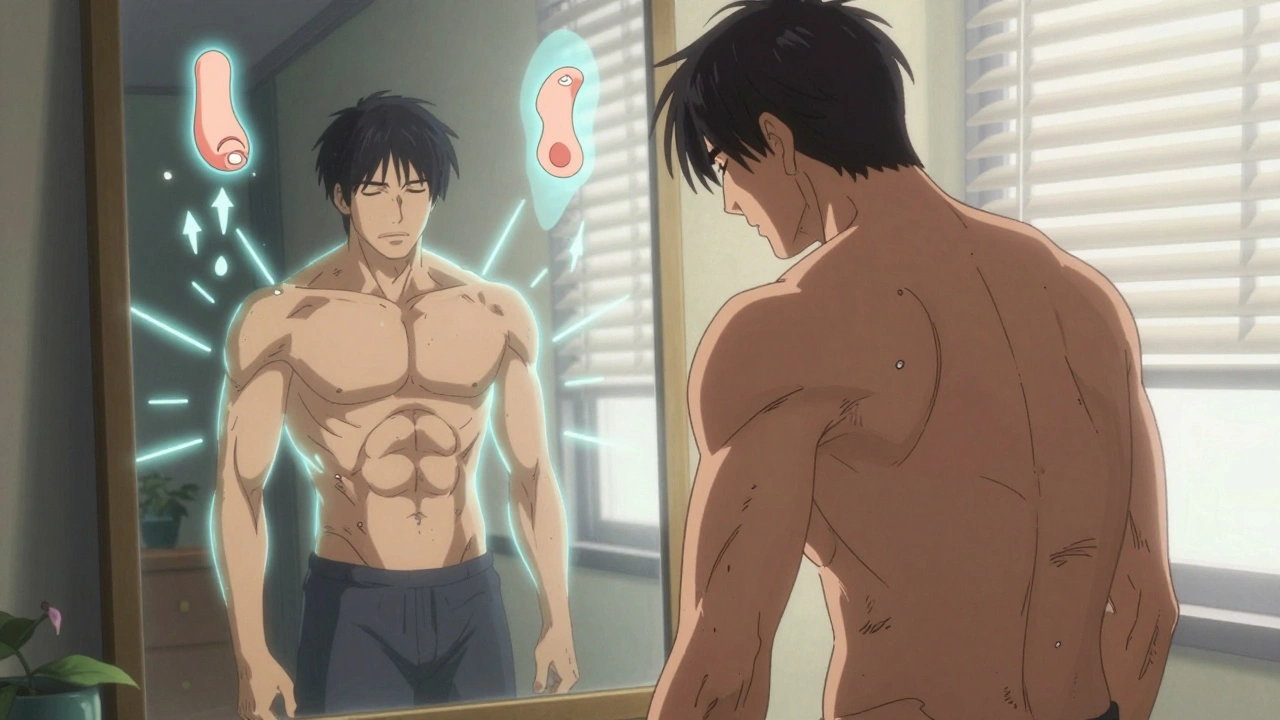
Male hypogonadism causes low testosterone, leading to fatigue, low libido, and muscle loss. Learn the real symptoms, how it's diagnosed, and the safest, most effective treatment options backed by current medical guidelines.
Read More© 2026. All rights reserved.