
When your body doesn’t produce enough testosterone, the main male sex hormone that drives muscle mass, bone density, libido, and energy levels. Also known as testosterone deficiency, it’s not just about feeling tired—it can change how you think, feel, and function day to day. This isn’t just aging. male hypogonadism, a condition where the testes don’t make enough testosterone or the brain doesn’t signal them properly. It can happen at any age, and many men don’t realize it’s a medical issue, not just "getting older." It’s often mistaken for stress, depression, or laziness, but it’s a real endocrine disorder, a disruption in the hormone system that controls metabolism, growth, and reproduction. The brain and testes have to work together, and if either side fails, your hormone levels drop.
There are two main types: primary hypogonadism, where the testes themselves are the problem—maybe due to injury, genetics, or chemotherapy—and secondary hypogonadism, where the brain’s signals (from the pituitary or hypothalamus) get messed up. Things like obesity, chronic illness, sleep apnea, or even long-term opioid use can shut down those signals. And here’s the catch: symptoms don’t always show up all at once. You might notice low sex drive first, then muscle loss, then trouble sleeping, then mood swings. Some men feel foggy, irritable, or just "off" for months before they connect the dots. Blood tests are the only way to confirm it, but many doctors don’t check unless you ask. And even then, "normal" ranges vary widely—what’s low for one man might be fine for another.
What you’ll find in these articles isn’t just theory. It’s what real people deal with: how to talk to your provider about symptoms without sounding paranoid, why some meds work better than others, how supplements can interfere, and why skipping doses or switching generics without monitoring can backfire. You’ll see how drug interactions, like those between testosterone therapy and blood thinners or diabetes meds. can complicate things, and why tracking your labs over time matters more than a single number. You’ll also find practical advice on lifestyle changes that support hormone balance—because treatment isn’t just about pills. This collection gives you the facts you need to ask better questions, avoid dangerous mistakes, and take real control of your health.
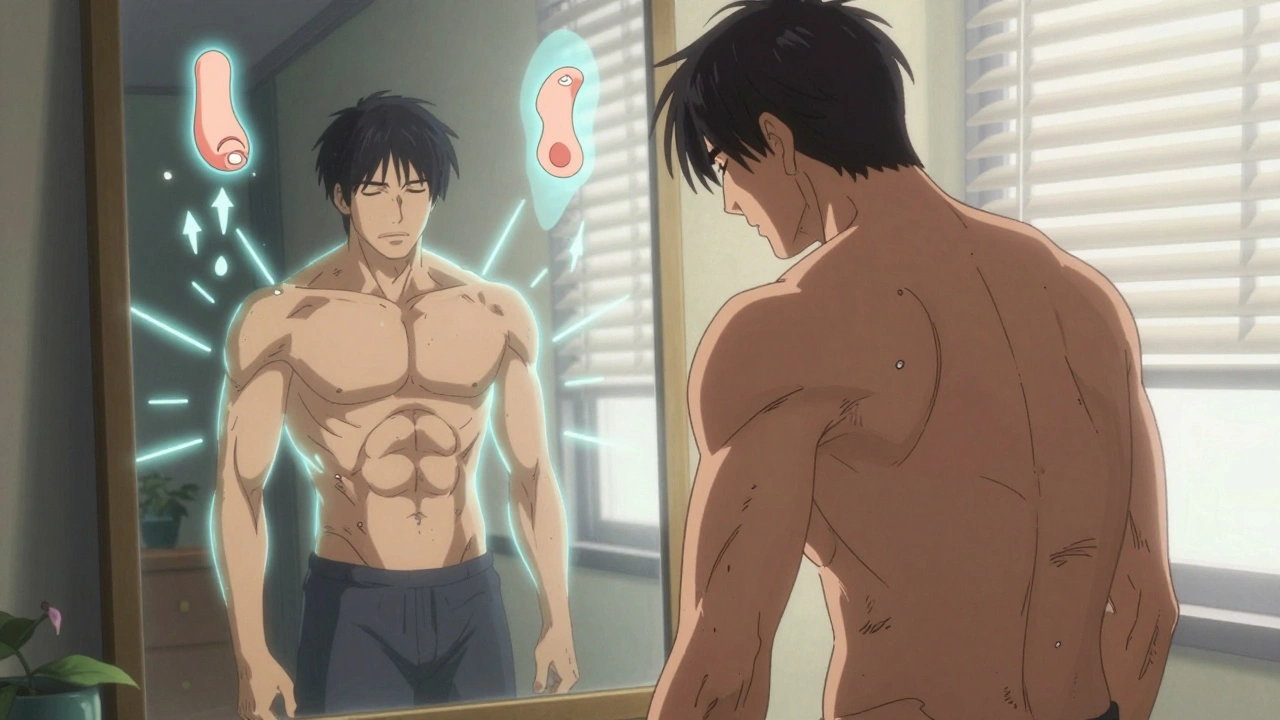
Male hypogonadism causes low testosterone, leading to fatigue, low libido, and muscle loss. Learn the real symptoms, how it's diagnosed, and the safest, most effective treatment options backed by current medical guidelines.
Read More© 2026. All rights reserved.