
When you take melatonin, a hormone your body naturally makes to regulate sleep. Also known as the sleep hormone, it helps signal to your brain that it’s time to rest. But even though it’s sold over the counter, melatonin isn’t harmless—it can react with other medicines you’re taking, sometimes in dangerous ways. Many people think because it’s natural, it’s safe with everything. That’s not true. Melatonin doesn’t just help you fall asleep—it affects your whole body’s rhythm, and that can clash with other drugs.
For example, if you’re on blood thinners, like warfarin or aspirin, used to prevent clots, melatonin might make them stronger. That raises your risk of bruising or bleeding. If you take antidepressants, such as SSRIs or SNRIs, which affect brain chemicals, melatonin could make side effects like dizziness or drowsiness worse. Even blood pressure medications, like beta blockers or ACE inhibitors, can be affected—melatonin might lower your blood pressure too much when combined with them. And if you’re using immunosuppressants, drugs that calm your immune system after transplant or for autoimmune disease, melatonin might undo their effect by stimulating immune activity.
It’s not just prescription drugs. Over-the-counter sleep aids, anti-anxiety pills, and even some herbal supplements like valerian or St. John’s wort can team up with melatonin to make you overly sleepy or confused. People over 65 are especially at risk because their bodies process these substances slower. And if you’re on diabetes meds, melatonin might mess with your blood sugar levels—something you won’t notice until it’s too late.
You don’t need to avoid melatonin entirely. But you do need to know what else is in your medicine cabinet. Always check with your pharmacist or doctor before starting it, especially if you take more than one daily medication. Keep a list of everything you’re using—prescriptions, supplements, even occasional painkillers. That way, you can spot potential clashes before they happen. The goal isn’t to scare you off sleep aids—it’s to help you use them smartly, without unexpected side effects.
Below, you’ll find real-world guides from pharmacists and health experts on how to avoid dangerous medication mix-ups, recognize hidden interactions, and manage your supplements safely. Whether you’re juggling diabetes meds, blood pressure drugs, or just trying to sleep better without risking your health, these posts give you the facts you need—no fluff, no guesswork.
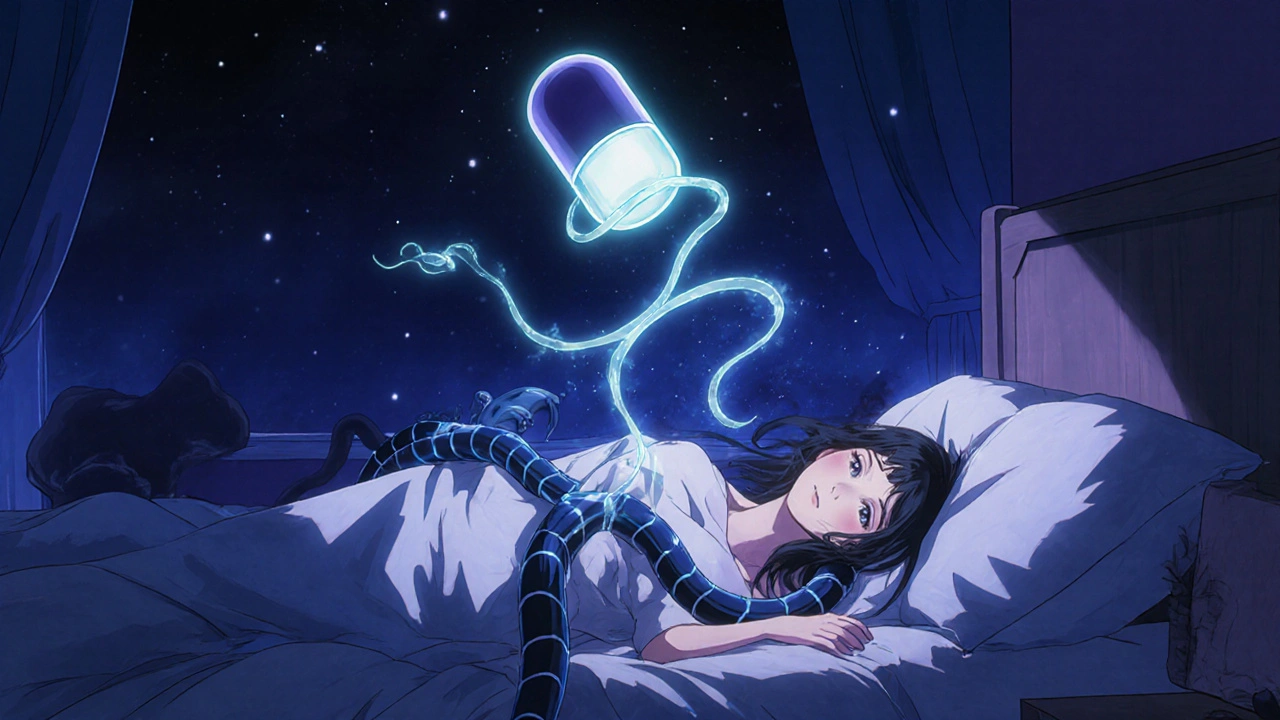
Combining melatonin with sedatives can cause dangerous additive drowsiness, increasing risks of breathing problems, falls, and accidents. Learn the real dangers, safety rules, and safer alternatives for better sleep.
Read More© 2026. All rights reserved.