
When you have Meniere's disease, a disorder of the inner ear that causes spinning dizziness, ringing in the ears, and fluctuating hearing loss. It's not caused by stress or aging alone—it's tied to excess fluid buildup in the inner ear, called endolymphatic hydrops. While there’s no cure, many people find that their symptoms become much more manageable with a simple, focused Meniere's diet, a low-sodium, balanced eating plan designed to reduce fluid retention and stabilize inner ear pressure. This isn’t about fancy superfoods or extreme restrictions. It’s about cutting out the hidden salt, sugar, and caffeine that make your dizziness worse.
The Meniere's diet works because your inner ear is sensitive to changes in salt and fluid levels. Too much sodium pulls water into the inner ear, increasing pressure and triggering attacks. The goal? Keep daily sodium under 1,500 mg—about half of what most people eat. That means skipping processed snacks, canned soups, deli meats, and restaurant meals. Even bread and cereal can be salt bombs. Instead, focus on fresh vegetables, lean proteins like chicken and fish, whole grains, and fruits. Drinking water regularly helps flush out excess sodium, but avoid drinking too much at once—sip steadily. Caffeine and alcohol are also triggers. They constrict blood vessels and disrupt fluid balance, making vertigo more likely. Some people also find that sugar spikes worsen symptoms, so cutting back on sweets and sugary drinks helps too.
It’s not just about what you avoid—it’s about what you support. Magnesium-rich foods like spinach, almonds, and black beans may help relax blood vessels in the inner ear. Vitamin D and zinc are linked to ear health, and studies suggest they might reduce attack frequency. Omega-3s from fatty fish or flaxseed can lower inflammation, which may play a role in Meniere’s. You don’t need supplements unless your doctor says so. Just eat real food, simply prepared.
People who stick with this diet often notice fewer and less severe attacks within weeks. Some even stop needing medication. It’s not a magic fix, but it’s one of the few proven, drug-free ways to take control. The posts below show real examples: how others adjusted their meals, what worked (and what didn’t), and how to handle social situations without giving up your health. You’ll find practical tips for grocery shopping, reading labels, and making quick meals that fit the plan. No guesswork. Just clear, doable steps to feel better every day.
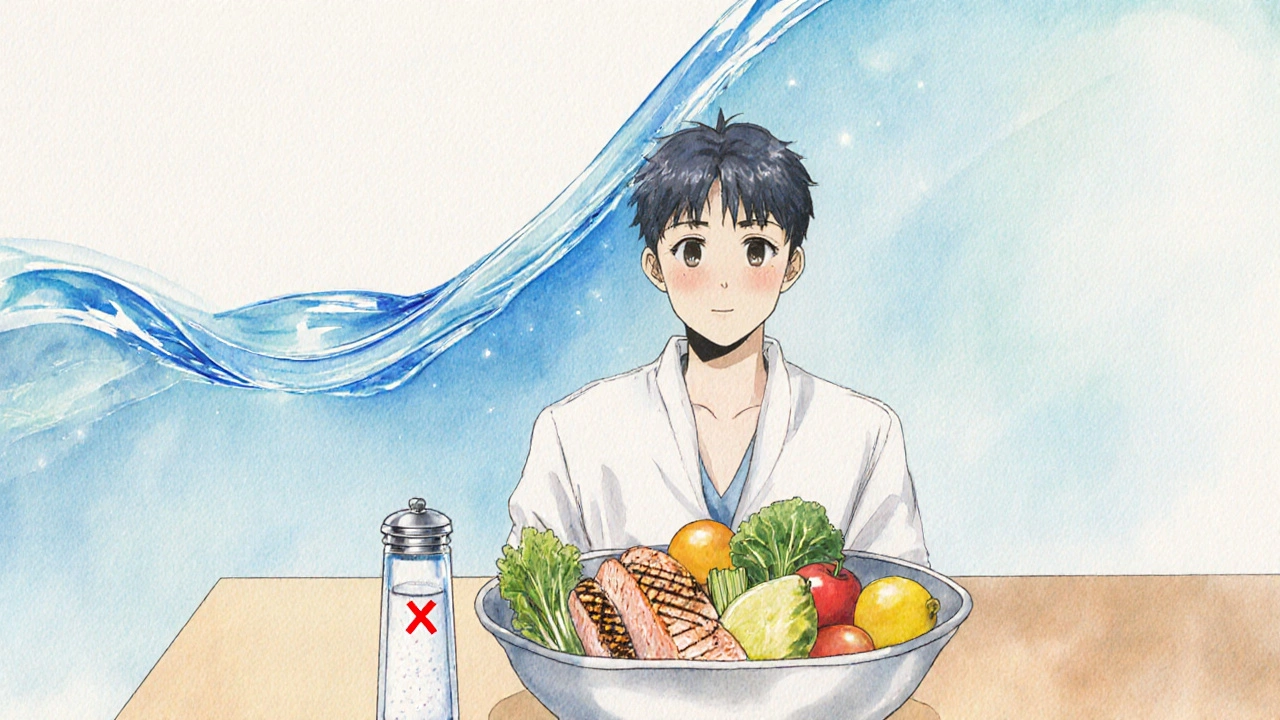
A low-sodium diet and proper fluid balance are proven first-line treatments for Meniere’s disease. Cutting salt to 1,500 mg/day and drinking 35 ml/kg of water daily can reduce vertigo, improve hearing, and ease tinnitus-without drugs or surgery.
Read More© 2026. All rights reserved.