
When you pick up a prescription, you expect the right medicine in the right dose. But pharmacy errors, mistakes made during dispensing, labeling, or counseling that lead to wrong drugs, doses, or instructions. Also known as medication errors, these aren’t rare—they happen more often than most people realize, and they can turn a simple fix into a life-threatening event. A child gets adult-strength medicine. An elderly person takes two drugs that clash and causes dizziness and falls. Someone with a penicillin allergy gets amoxicillin because the label was misread. These aren’t movie plots—they’re real cases reported in hospitals and community pharmacies every day.
Drug interactions, when two or more medications react in harmful ways inside the body are one of the biggest hidden risks. Take melatonin and a sedative together? That’s additive drowsiness, and it can slow your breathing. Mix fludrocortisone with certain heart meds? Blood pressure can swing dangerously. Even something as simple as buying generic Prilosec online without checking the pharmacy’s legitimacy opens the door to fake pills with no active ingredient—or worse, toxic fillers. Prescription safety, the practice of ensuring medications are correctly prescribed, dispensed, and taken isn’t just the pharmacist’s job. It’s yours too.
Most pharmacy errors come from three places: rushed staff, confusing drug names (like Celebrex and Celexa), and poor communication between doctors, pharmacists, and patients. You’re not just a customer—you’re the last line of defense. Know your meds. Ask questions. Check the pill against the label. Read the leaflet. If something feels off, speak up. The FDA tracks thousands of these errors each year, and many could’ve been avoided with one simple question: "Is this what my doctor ordered?"
Below, you’ll find real-world guides that show you exactly how to spot red flags in your prescriptions, understand why generics sometimes cause confusion, and protect your family from the most common mistakes that lead to hospital visits. From how dissolution profiles ensure generics work right, to why elderly patients need extra care with drugs like atorvastatin or tamsulosin, these posts give you the tools to catch errors before they hurt you.
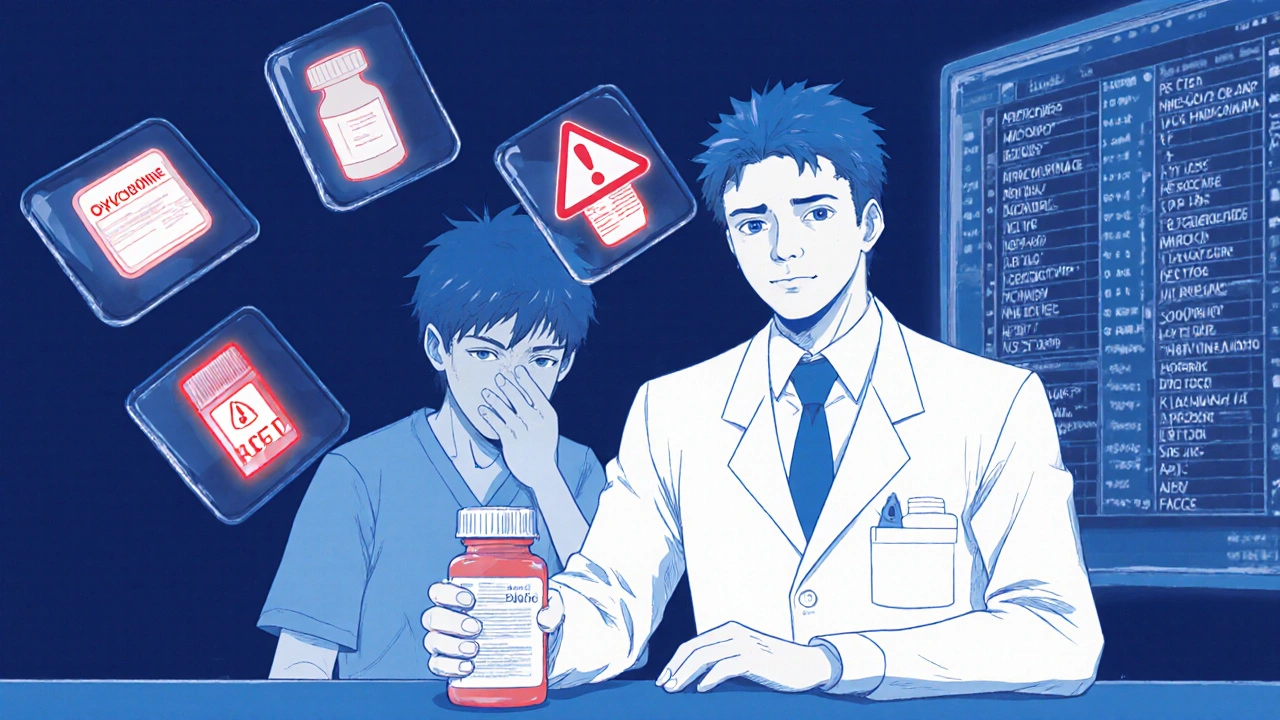
Learn how pharmacists and healthcare providers can prevent dangerous early refills and duplicate therapy mistakes that lead to overdose, addiction, and harmful drug interactions. Practical steps, tech tools, and real-world examples.
Read More© 2026. All rights reserved.