
When a new drug gets approved, it doesn’t mean the safety check is over. Post-approval drug monitoring, the ongoing process of tracking how medications behave in real populations after they’re widely used. Also known as pharmacovigilance, it’s how health agencies like the FDA find problems that only show up after thousands or millions of people take the drug. Clinical trials involve a few thousand people over months. Real life? Millions take the drug for years—with other meds, different diets, chronic conditions, and genetic differences. That’s where hidden risks hide.
That’s why adverse drug reactions, unintended and harmful effects from medications are tracked through systems like the FDA’s MedWatch and the EMA’s EudraVigilance. These aren’t just forms doctors fill out—they’re live dashboards that flag patterns: a sudden spike in liver damage with a new antibiotic, or more cases of dizziness in elderly patients using a blood pressure pill. Drug safety, the continuous effort to ensure medications don’t cause more harm than good depends on this. A drug that looks safe in trials might cause rare heart rhythm issues only after five years of use. Without post-approval monitoring, those cases go unnoticed until someone dies.
It’s not just about bad outcomes. Sometimes, it’s about who’s being left out. Older adults, pregnant women, and people with multiple health conditions were often excluded from initial trials. Post-approval data fills those gaps. A diabetes drug might work great in healthy 40-year-olds but cause low blood sugar in seniors on kidney dialysis. That’s why your pharmacist asks about every supplement you take—even the ones you think are harmless. FDA surveillance, the system that collects, analyzes, and acts on real-world drug data is the only thing catching those hidden dangers before they spread.
When red flags show up, the FDA doesn’t wait. They update labels with stronger warnings, require new studies, or pull drugs off the market. Think of it like a car recall—but for medicine. You don’t know your car’s brake line might snap until thousands of drivers report it. Same with drugs. That’s why post-approval drug monitoring isn’t bureaucracy—it’s your family’s safety net.
Below, you’ll find real stories and deep dives into how this system works—when it catches problems, when it misses them, and what you can do to help make it stronger. From antibiotic shortages to lithium toxicity, these posts show how drug safety isn’t just a government job. It’s something every patient, caregiver, and provider needs to understand.
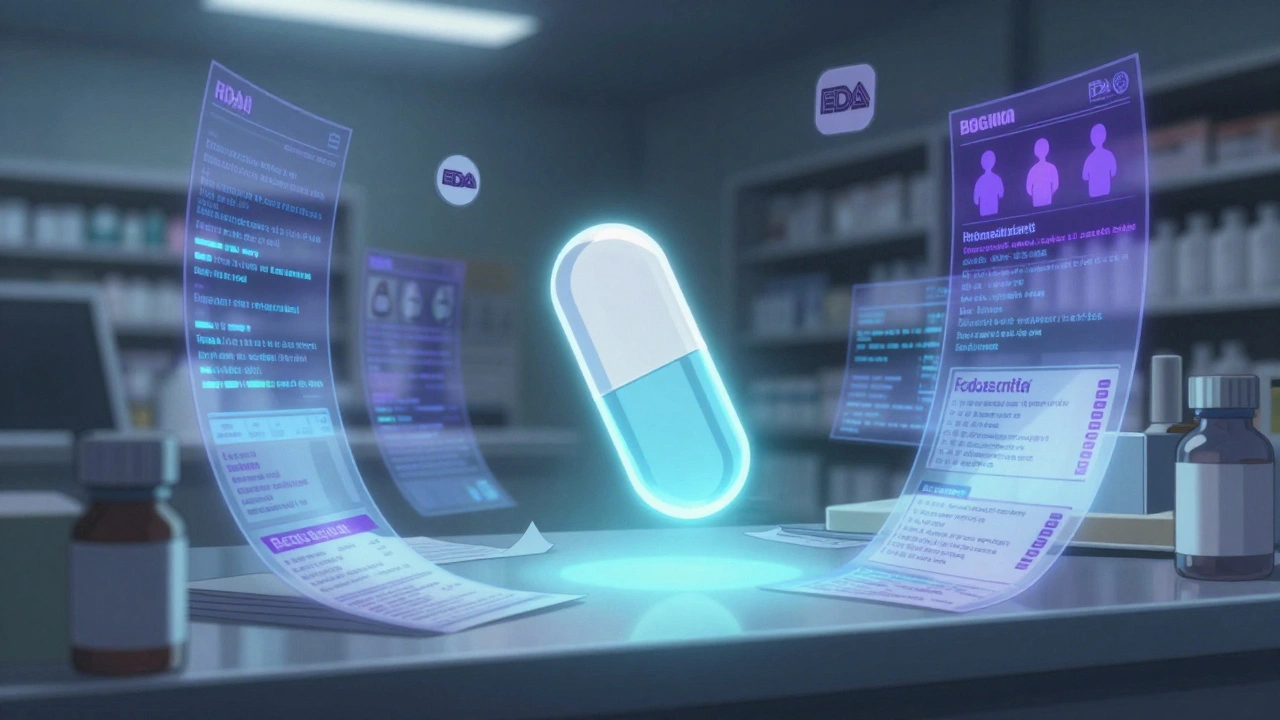
The FDA monitors generic drug safety after approval using real-world data, adverse event reports, and manufacturing quality checks. Learn how they detect problems, what gaps remain, and how patients can help.
Read More© 2026. All rights reserved.