
When you have PTSD nightmares, recurring, vivid dreams that replay traumatic events and cause intense fear or distress upon waking. Also known as trauma-related nightmares, they’re not just bad dreams—they’re the brain’s way of trying to process something it couldn’t handle at the time. These nightmares aren’t random. They’re tied to how trauma changes the brain’s fear circuits, especially in the amygdala and prefrontal cortex. People with PTSD often wake up sweating, heart racing, and trapped in the feeling of danger—even if they’re safe in bed.
What makes PTSD nightmares different from regular bad dreams? They’re repetitive, highly detailed, and feel real. A veteran might dream about combat every night. A survivor of assault might relive the moment over and over. These dreams don’t fade with time unless treated. And they don’t just ruin sleep—they lead to insomnia, anxiety, and avoidance. Many people start sleeping on the couch, skipping bedtime, or using alcohol to numb the fear. None of that fixes the root problem.
There’s a strong link between trauma sleep disturbances, disrupted sleep patterns caused by psychological trauma, including frequent awakenings, night terrors, and nightmares and the severity of PTSD symptoms. Studies show that people who have frequent nightmares after trauma are more likely to develop full-blown PTSD. The brain doesn’t get the rest it needs to heal, and the cycle keeps going. But it’s not hopeless. Treatments like imagery rehearsal therapy, a cognitive behavioral technique where people rewrite the ending of their nightmares while awake to reduce their power have helped thousands. Medications like prazosin can also calm the nervous system enough to break the pattern. And lifestyle changes—like reducing caffeine, sticking to a sleep schedule, and avoiding screens before bed—make a real difference.
What you’ll find in the posts below isn’t a list of quick fixes. It’s real, practical guidance from people who’ve lived through this and from experts who’ve studied it. You’ll see how sleep and trauma are connected, what medications help (and which ones don’t), and how simple daily habits can retrain your brain over time. No fluff. No hype. Just what works.
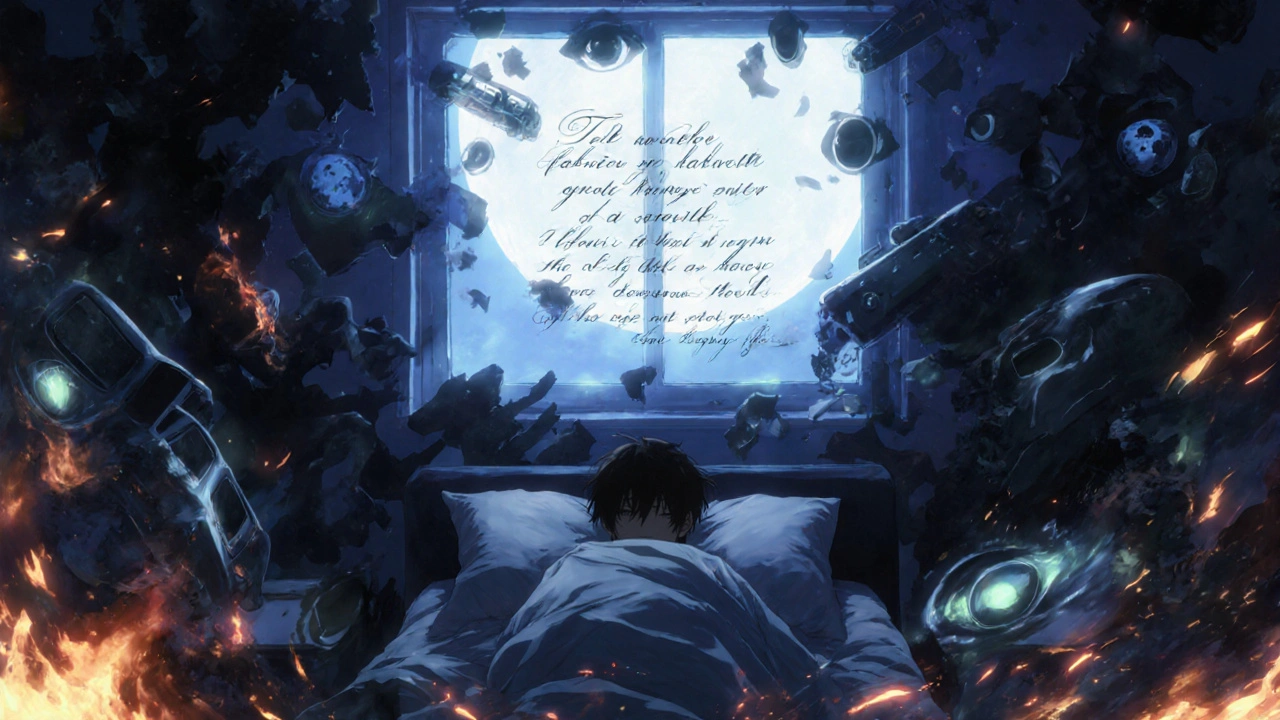
Imagery Rehearsal Therapy (IRT) is a proven, drug-free method to stop PTSD nightmares by rewriting them in your mind. Learn how it works, why it beats medication, and how to start today.
Read More© 2026. All rights reserved.