
When you’re dealing with vertigo, a spinning sensation that makes you feel off-balance, often linked to inner ear issues. It’s not just about pills or exercises—what you eat plays a real role in how often it hits and how bad it feels. Many people don’t realize that vertigo isn’t just a random glitch—it’s often tied to fluid balance in your inner ear, which your diet directly affects. If you’ve tried medications that didn’t help or want to cut back on side effects, changing what’s on your plate might be the missing piece.
The vestibular system, the part of your inner ear that controls balance is super sensitive to sodium, sugar, and caffeine. Too much salt makes your body hold onto water, which increases pressure in your inner ear and triggers dizziness. That’s why a low-sodium diet, a way of eating that limits added salt and processed foods is one of the most effective, science-backed ways to reduce vertigo episodes. Studies show people with Meniere’s disease—where vertigo is a major symptom—see fewer attacks when they drop sodium to under 1,500 mg a day. Same goes for sugar: spikes and crashes in blood sugar can throw off your balance system. Eating steady, whole foods like vegetables, lean proteins, and healthy fats keeps things stable.
Then there’s magnesium, a mineral that helps nerves and muscles function properly, including those in the inner ear. Low magnesium levels are linked to more frequent vertigo attacks. Foods like spinach, almonds, black beans, and avocados can help. You might also want to cut out alcohol and caffeine—both are diuretics that dehydrate you and mess with your inner ear fluid. Even artificial sweeteners like aspartame have been flagged by some patients as triggers. It’s not magic, but tracking what you eat and how you feel can reveal patterns you never noticed.
Some people swear by ginger tea for nausea from vertigo. Others find that staying hydrated with water—not soda or energy drinks—makes a noticeable difference. And while you can’t fix inner ear damage with food alone, you can absolutely reduce how often it flares up. This isn’t about following a strict diet for life. It’s about making smart, simple swaps: swap chips for nuts, soda for sparkling water with lemon, processed lunch meat for grilled chicken. Small changes add up.
Below, you’ll find real stories and practical advice from people who’ve used diet to manage vertigo. Some found relief after cutting out gluten. Others noticed fewer episodes when they started eating more potassium-rich foods like bananas and sweet potatoes. You’ll see what works, what doesn’t, and how to start without feeling overwhelmed. No fluff. No guesswork. Just what actually helps.
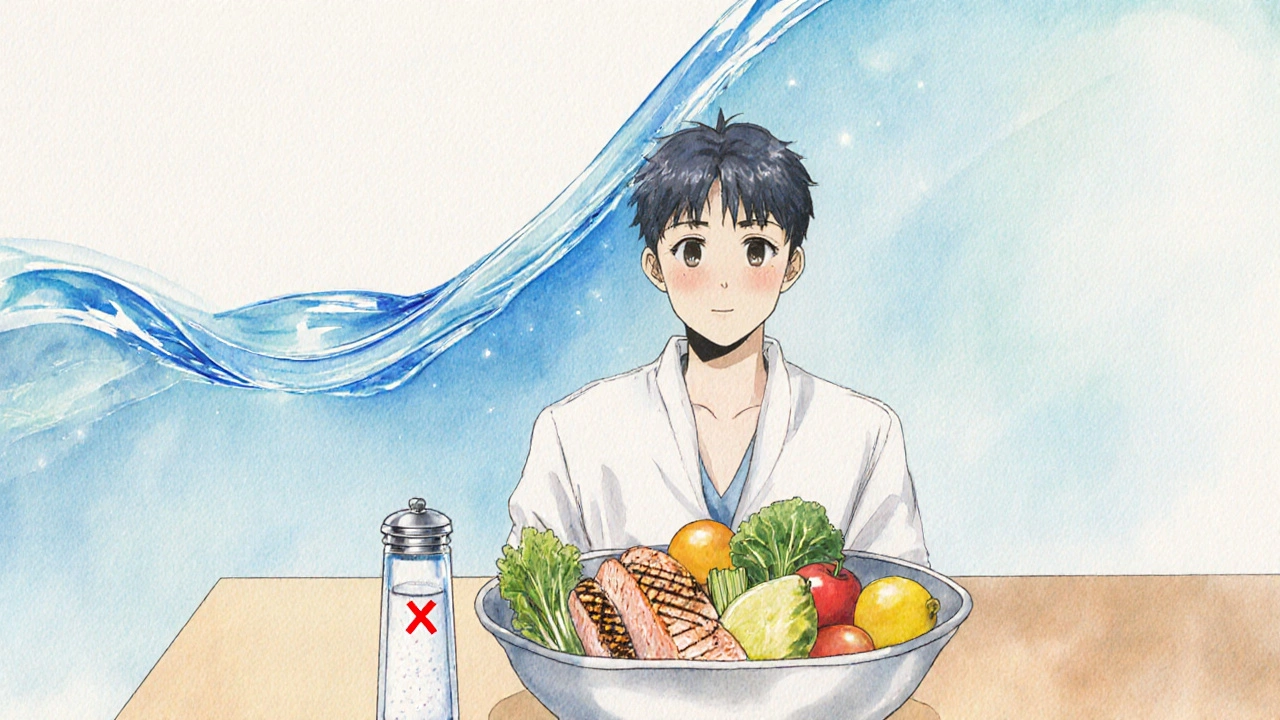
A low-sodium diet and proper fluid balance are proven first-line treatments for Meniere’s disease. Cutting salt to 1,500 mg/day and drinking 35 ml/kg of water daily can reduce vertigo, improve hearing, and ease tinnitus-without drugs or surgery.
Read More© 2026. All rights reserved.