
When you're struggling to sleep, it's tempting to reach for anything that promises rest—whether it's a pill from the medicine cabinet, a supplement from the store, or a friend's recommendation. But sleep aid safety, the practice of using sleep-promoting substances without causing harm, dependence, or dangerous side effects. Also known as sleep medication safety, it's not just about avoiding overdoses—it's about knowing what you're really putting into your body and how it affects your brain, liver, and long-term health. Many people think over-the-counter sleep aids are harmless because they don't need a prescription. That’s a dangerous myth. Even something as simple as diphenhydramine (found in Benadryl or generic sleep gels) can cause next-day drowsiness, confusion in older adults, and even increase dementia risk with long-term use.
Then there are the supplements—melatonin, valerian root, magnesium, chamomile. They sound natural, so people assume they’re safe. But melatonin, a hormone that regulates sleep-wake cycles, often sold as a sleep supplement. Also known as sleep hormone, it isn’t regulated like a drug. Doses can vary wildly between brands, and some products contain way more than what’s listed. Worse, mixing melatonin with blood pressure meds, antidepressants, or even caffeine can throw your body off balance. And if you’re taking something like atorvastatin for cholesterol or fludrocortisone for adrenal issues, you might not realize your sleep aid is interfering with how your body processes those drugs.
People also don’t think about how sleep aids can hide bigger problems. If you’re relying on them every night, it might mean you’re dealing with untreated sleep apnea, anxiety, or even early signs of neurological changes. One study found that older adults using sleep aids regularly were 2.5 times more likely to fall—leading to fractures, hospital stays, and loss of independence. And when you start taking them for weeks or months, your brain adapts. You need more to get the same effect. Then comes withdrawal: insomnia worse than before, anxiety, even seizures in rare cases.
What you’ll find in the posts below isn’t a list of "best" sleep aids. It’s a reality check. You’ll see how drug interactions sneak up on people—like how metoclopramide for nausea can mess with sleep patterns, or how atenolol-chlorthalidone for blood pressure can cause nighttime awakenings. You’ll learn why clinical trial data doesn’t tell you the whole story about side effects, and how real people experience sleep meds differently than the studies claim. There’s also guidance on what to do if you’ve been using sleep aids for too long, how to talk to your pharmacist about risks, and why generics aren’t always the safe choice when it comes to sleep.
This isn’t about scaring you off sleep aids. It’s about giving you the tools to use them wisely—if at all. Sleep matters too much to gamble with. The goal isn’t to never take anything—it’s to never take something without knowing exactly what you’re risking.
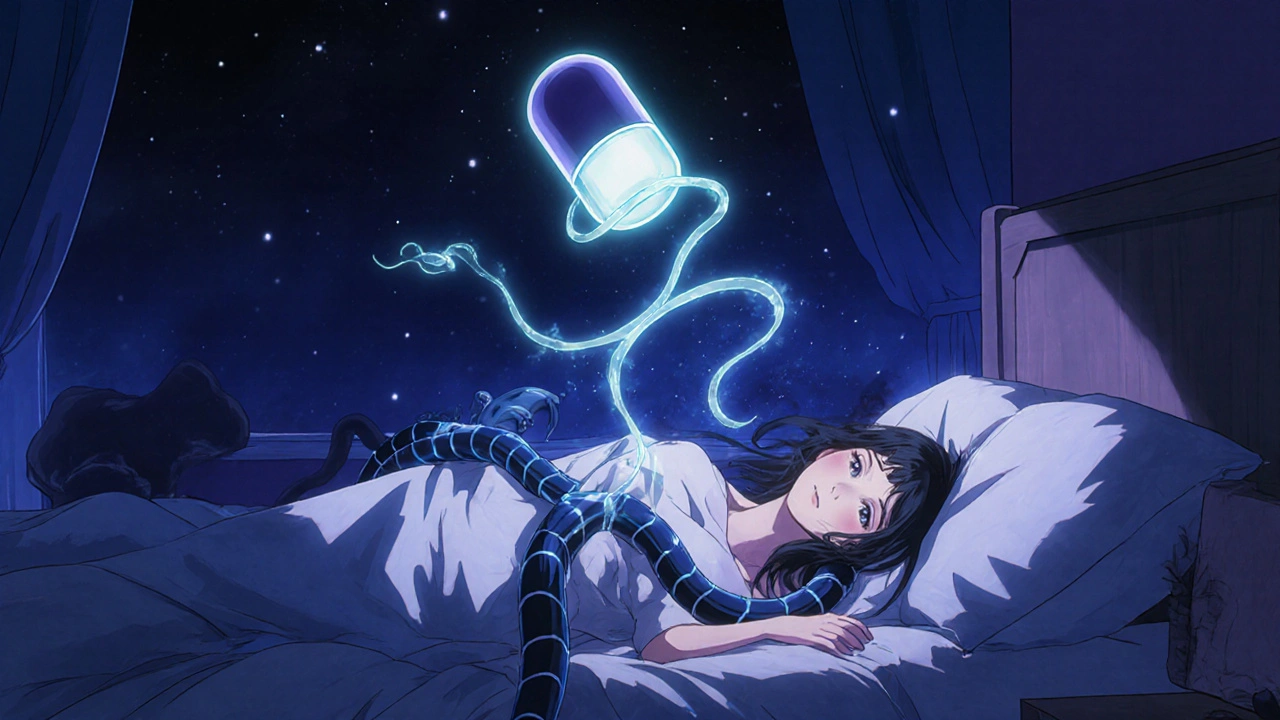
Combining melatonin with sedatives can cause dangerous additive drowsiness, increasing risks of breathing problems, falls, and accidents. Learn the real dangers, safety rules, and safer alternatives for better sleep.
Read More© 2026. All rights reserved.