
When you hear TRT, Testosterone Replacement Therapy is a medical treatment used to restore normal testosterone levels in men with clinically low hormone levels. Also known as testosterone therapy, it’s not a quick fix for aging or fatigue—it’s a long-term management plan for a diagnosed condition. Many men turn to TRT because they feel drained, lose muscle, or struggle with focus. But before starting, you need to know how it works, what it can and can’t fix, and who should avoid it.
Low testosterone, a condition confirmed by blood tests and symptoms like reduced libido, depression, or unexplained weight gain isn’t the same as normal aging. Your body makes less testosterone as you get older, but that doesn’t mean you need replacement. TRT is only for those with a true deficiency, confirmed by a doctor. And even then, it’s not risk-free. Testosterone side effects, can include sleep apnea, enlarged prostate, reduced sperm count, and increased red blood cell levels that raise clotting risk. Some men see improvements in energy and mood within weeks. Others don’t feel much at all. The key is tracking—not guessing.
What you won’t find in ads is how often TRT gets misused. Gyms, online clinics, and social media push it as a performance booster, but the science doesn’t back that. Real TRT is carefully monitored with regular blood work and follow-ups. It’s also not a one-size-fits-all. Some men use gels, others get injections. Some need to combine it with other treatments for fertility. And if you’re on other meds—like blood thinners or heart drugs—you could be at higher risk for dangerous interactions.
This collection of articles dives into what matters: how to talk to your provider about TRT, what lab results actually mean, how to spot hidden risks, and why some men stop treatment after learning the full picture. You’ll find real stories from people who’ve been there, practical advice on monitoring, and warnings about the shortcuts others take. Whether you’re considering TRT, already on it, or just trying to understand what it really involves, these posts give you the facts without the hype.
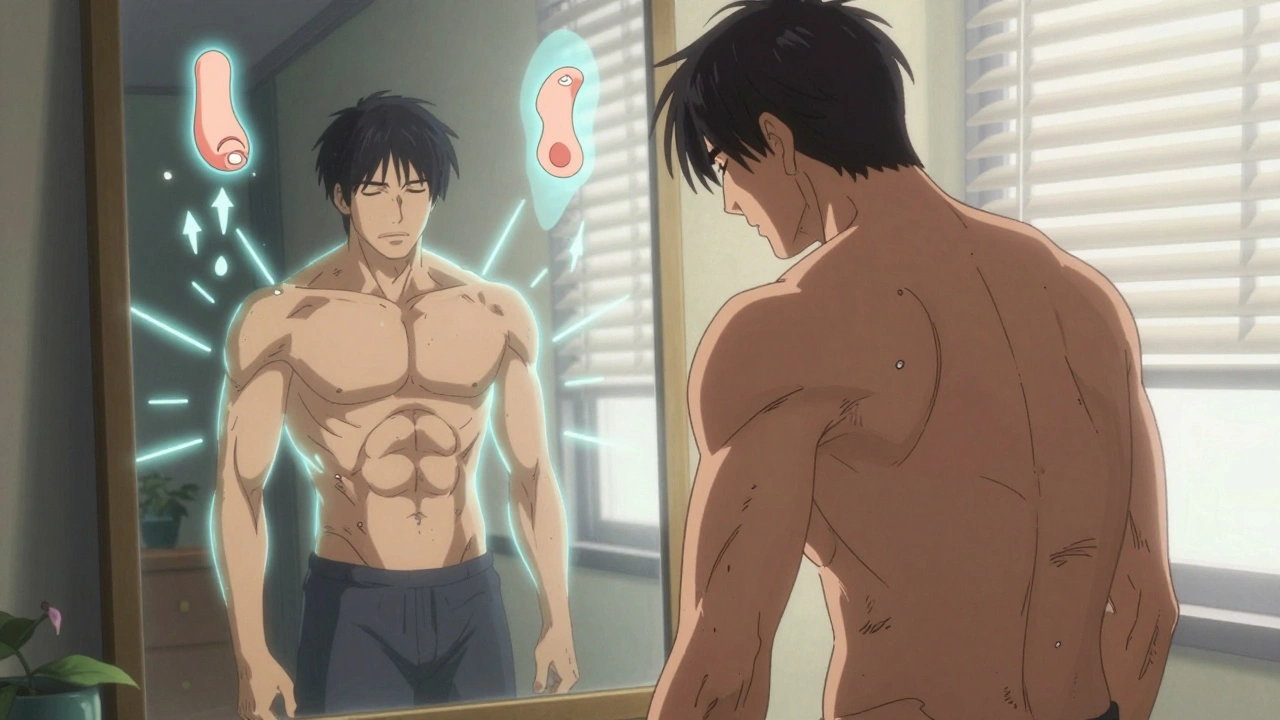
Male hypogonadism causes low testosterone, leading to fatigue, low libido, and muscle loss. Learn the real symptoms, how it's diagnosed, and the safest, most effective treatment options backed by current medical guidelines.
Read More© 2026. All rights reserved.