
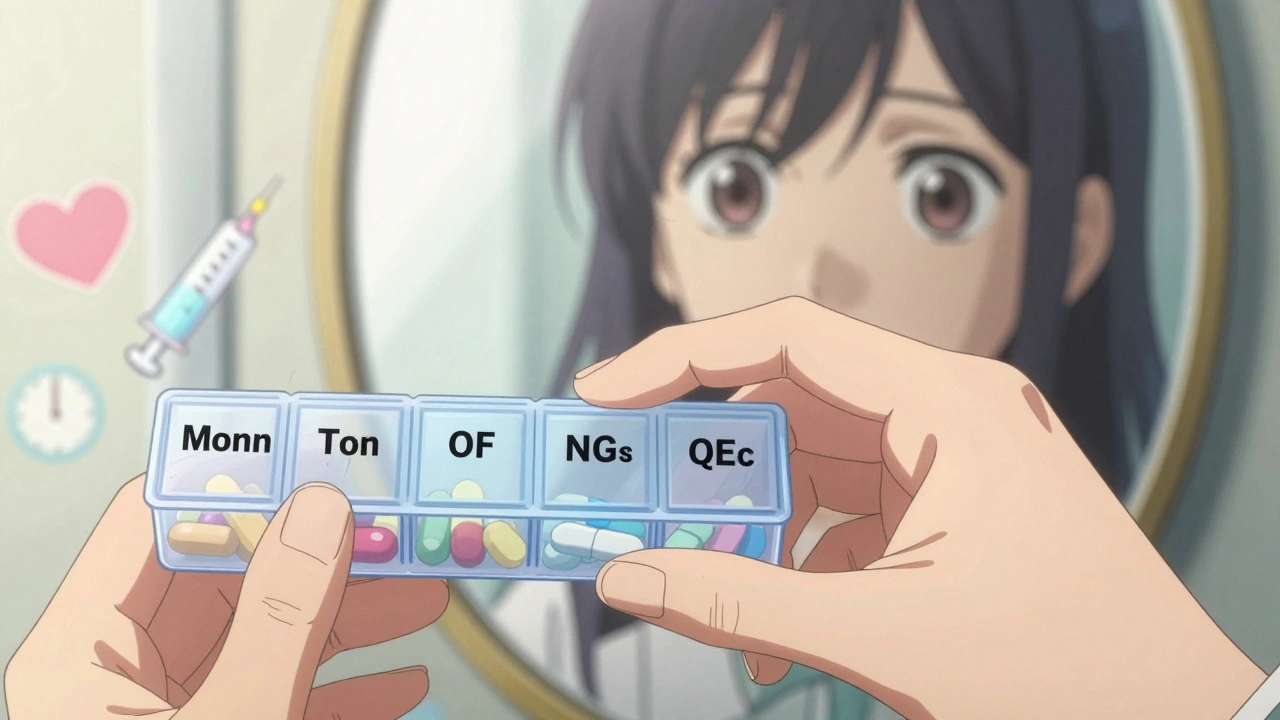
Skipping a pill because you’re running late, feeling fine, or just forgetting-it happens. But when it’s a prescription medication, that one missed dose isn’t just a slip-up. It can undo weeks of progress, trigger dangerous side effects, or even put your life at risk. This isn’t about being perfect. It’s about understanding why timing matters more than you think.
What Happens When You Skip a Dose?
Your body doesn’t treat medication like a vitamin you can take when you remember. Drugs work by maintaining a steady level in your bloodstream. Too little, and the treatment stops working. Too much, and you risk overdose. Skipping doses throws this balance off. For antibiotics, missing even one dose can let surviving bacteria multiply and become resistant. That’s how superbugs form. The CDC warns: never stop antibiotics early, even if you feel better. The infection isn’t gone just because your symptoms disappeared. For blood pressure meds, skipping doses causes spikes in pressure that damage your arteries, heart, and kidneys over time. High blood pressure doesn’t give you warning signs. You won’t feel it getting worse-until you have a stroke or heart attack. Studies show people who skip their hypertension meds are nearly twice as likely to be hospitalized. Anticoagulants like warfarin are even more precise. A single missed dose can cause your INR (a blood clotting measure) to swing dangerously. Too high? You risk internal bleeding. Too low? You could get a clot that leads to a pulmonary embolism or stroke. These aren’t theoretical risks. They’re documented in emergency rooms every day.Why Timing Isn’t Just a Suggestion
The label doesn’t say “take with food” just to make you follow rules. It’s science. Some drugs need an empty stomach to absorb properly. Taking them after a big meal can cut their effectiveness by half. Others, like certain diabetes pills, must be timed with meals to prevent low blood sugar. Miss the window, and you could pass out. Even the time of day matters. Blood pressure naturally dips at night, so taking certain meds at bedtime helps maintain control around the clock. Taking them in the morning might cause your pressure to spike at night-when you’re asleep and unaware. Immunosuppressants after a transplant? Miss a dose by a few hours, and your body might start rejecting the new organ. There’s no second chance. The window for effectiveness is razor-thin.Why People Skip-And How to Fix It
Most people don’t skip doses because they’re careless. They do it because it’s hard. You’re juggling five different pills. Some need to be taken three times a day. Others only at night. You forget which is which. You mix up the colors. You’re tired. You’re overwhelmed. You think, “I don’t feel sick, so why take it?” A 2002 study in the Annals of Internal Medicine found that for every extra pill you take daily, your chance of sticking to the schedule drops by 16%. If you’re on eight pills a day, your adherence rate is less than 30%. That’s not laziness. That’s a system failing you. The fix isn’t willpower. It’s structure. Use a pill organizer. Not the fancy kind with alarms-just a simple seven-day box with morning, afternoon, evening, and night slots. Fill it every Sunday. See the empty slot? You missed a dose. No guessing. Set phone alarms. Label them: “Amoxicillin,” “Warfarin,” “Metformin.” Don’t just say “Meds.” Be specific. Pair your dose with a daily habit: take your pill right after brushing your teeth or with your morning coffee. Ask your pharmacist for a medication review. They’ll spot duplicates, check for timing conflicts, and simplify your regimen. Many pharmacies offer free medication therapy management services-especially if you’re on Medicare Part D.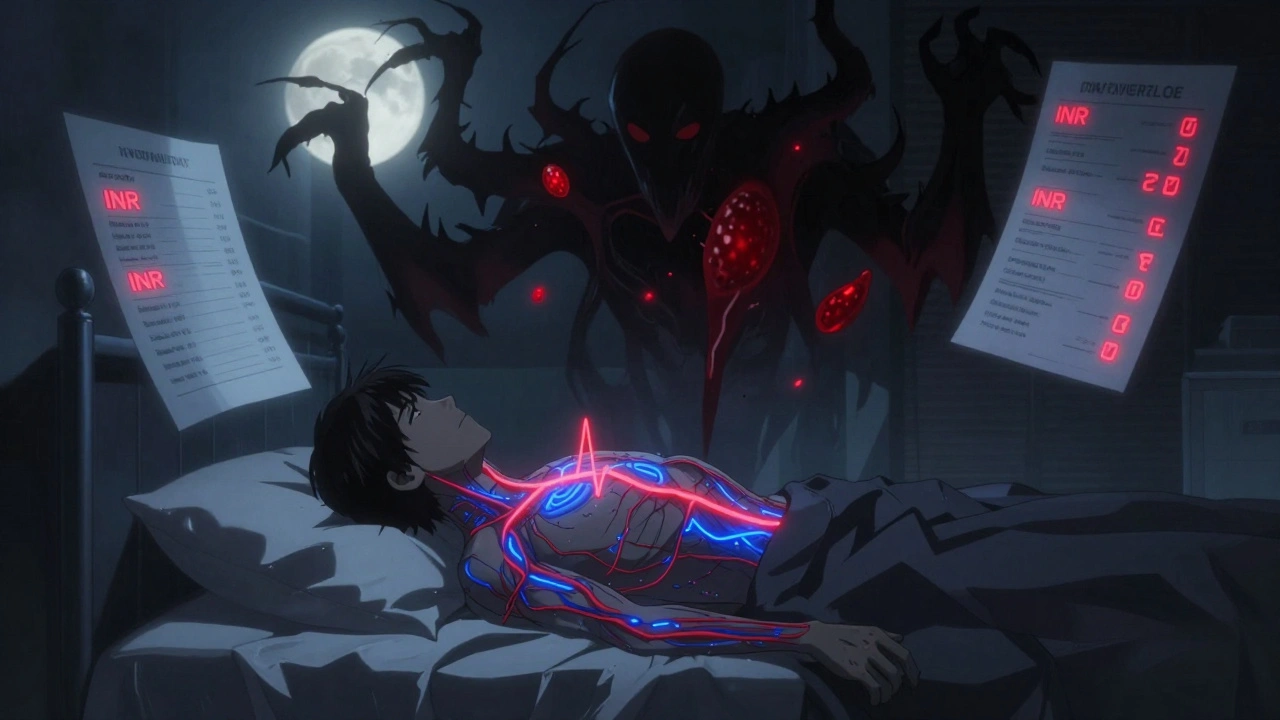
The Real Cost of Skipping
Skipping doses doesn’t just hurt you. It costs the system billions. In the U.S., non-adherence leads to about 125,000 preventable deaths each year. It causes 10-25% of hospital admissions. That’s not just statistics. That’s someone’s parent, sibling, or neighbor who didn’t get the care they needed because they ran out of pills or forgot to take them. It’s also expensive. A single avoidable hospital stay for heart failure due to missed blood pressure meds can cost over $15,000. Insurance companies know this. That’s why many now offer free pillboxes, reminders, and adherence coaching. But the biggest cost? The lost time. The pain. The fear. The years taken from your life because you didn’t take that one pill on time.What Your Doctor Isn’t Telling You
Doctors are busy. They give you a script and assume you’ll figure it out. But most patients don’t fully understand their meds. A study from a rural Alabama clinic found that the top reason people took meds wrong? They didn’t understand the instructions. Not because they were careless. Because no one explained it clearly. Ask your doctor or pharmacist: “What happens if I miss a dose?” Don’t wait until you forget. Ask before you leave the office. Use the “teach-back” method. After they explain, say: “So, if I miss my 8 a.m. pill, I should take it as soon as I remember, but if it’s past noon, I skip it and wait for tomorrow?” If they nod, you got it. If they hesitate, ask again. Your meds aren’t optional. They’re your lifeline.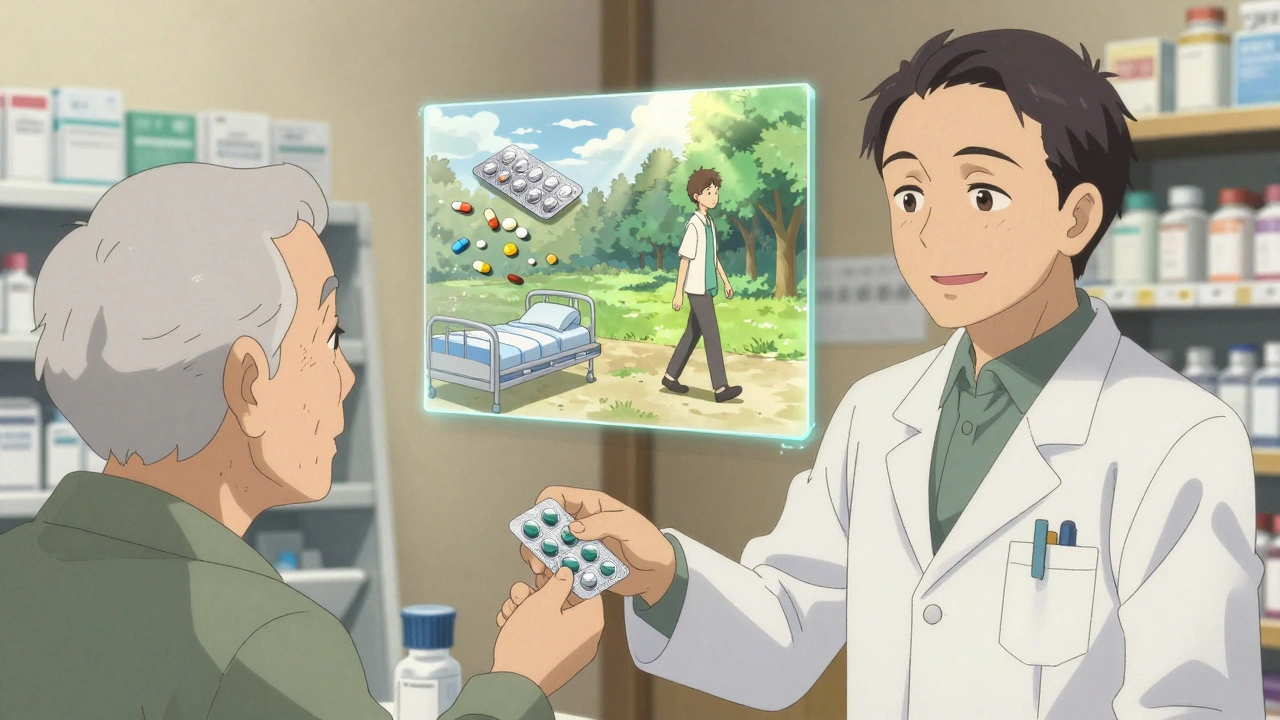
What to Do If You Miss a Dose
There’s no one-size-fits-all answer. But here’s a simple rule:- If you remember within half the time until your next dose, take it right away.
- If it’s more than half the time passed, skip it. Don’t double up.
When to Get Help
If you’re struggling to keep up:- Ask for a blister pack-pre-filled, labeled doses from your pharmacy.
- Use a smart pill dispenser that beeps, lights up, and texts your caregiver if you miss a dose.
- Ask your pharmacist about simplifying your regimen. Can you switch to a once-daily version? Can two meds be combined?
It’s Not About Perfection. It’s About Consistency.
You don’t need to be flawless. You just need to be consistent. One missed dose doesn’t ruin everything. But a pattern of missed doses? That’s when things fall apart. Your body depends on those pills. Whether it’s keeping your blood pressure steady, fighting an infection, or preventing your body from rejecting a transplanted organ-timing isn’t a suggestion. It’s medicine. Start today. Set the alarm. Fill the box. Ask the question. Your future self will thank you.What happens if I skip a dose of my blood pressure medication?
Skipping a dose of your blood pressure medication can cause your pressure to spike suddenly, increasing your risk of stroke, heart attack, or kidney damage. High blood pressure often has no symptoms, so you won’t feel the danger until it’s too late. Even one missed dose can disrupt the steady control your body needs to stay healthy.
Can I double up on my next dose if I miss one?
Never double up unless your doctor or pharmacist tells you to. Doubling a dose can lead to dangerous side effects-low blood sugar from diabetes meds, bleeding from blood thinners, or overdose from opioids. If you miss a dose, follow the rule: take it if you remember within half the time until your next dose. Otherwise, skip it and go back to your regular schedule.
Why do some pills need to be taken with food and others on an empty stomach?
Food can affect how your body absorbs medication. Some drugs are better absorbed with food because fat or acid helps them dissolve. Others can irritate your stomach or not work properly if taken with food. For example, antibiotics like tetracycline bind to calcium in dairy, making them useless. Always follow the label: “take on empty stomach” means no food for at least one hour before and after.
How can I remember to take my pills every day?
Use a pill organizer, set phone alarms with clear labels, and pair your doses with daily habits like brushing your teeth or having breakfast. Many pharmacies offer free weekly pillboxes and medication reminders. You can also ask your pharmacist about smart pill dispensers that beep or text you if you miss a dose.
Is it okay to stop taking my meds if I feel better?
No. Feeling better doesn’t mean the problem is gone. Antibiotics kill bacteria over time-stopping early lets the strongest ones survive and become resistant. Blood pressure and diabetes meds control your condition, not cure it. Stopping them can cause your numbers to rebound dangerously. Always finish the full course unless your doctor says otherwise.
Can my pharmacist help me manage my medication schedule?
Yes. Pharmacists are trained in medication therapy management. They can review all your prescriptions, spot timing conflicts, simplify your regimen, and even pre-pack your pills into daily doses. Many offer free services, especially if you’re on Medicare Part D. Don’t wait until you’re overwhelmed-ask them for help now.
Comments
Heidi Thomas
Skipping doses is why people end up in the ER with kidney failure or strokes they could’ve avoided. You think you’re saving time by forgetting your BP med but you’re just gambling with your organs. No excuses.
On December 4, 2025 AT 00:27
Alex Piddington
Thank you for this comprehensive and medically accurate breakdown. Adherence to prescribed regimens remains one of the most under-addressed public health challenges. The data on preventable hospitalizations is staggering, and your practical solutions-pill organizers, alarm labeling, pharmacist consultations-are exactly what patients need.
On December 5, 2025 AT 03:17
Yasmine Hajar
Y’all gotta stop acting like taking meds is optional. I’ve seen my grandma go from sharp to confused in six months because she stopped her anticoagulants ‘because she felt fine.’ She’s alive now because her pharmacist caught it. Don’t be her. Use the box. Set the alarm. Ask questions. Your life isn’t a suggestion.
On December 5, 2025 AT 18:16
Jake Deeds
It’s fascinating how society has turned medical compliance into a moral failing. People aren’t lazy-they’re drowning in polypharmacy while doctors hand out scripts like candy. The real failure is a healthcare system that expects patients to be pharmacologists with no support. And yet, we shame them for forgetting. Pathetic.
On December 5, 2025 AT 20:30
val kendra
My mom’s on 7 meds. She used to mix them up till I got her a simple 7-day box with AM/PM slots. Now she checks it like a checklist. No alarms. No apps. Just eyes on the box. If it’s empty, she knows she missed it. Simple. Works. You don’t need tech to stay alive.
On December 7, 2025 AT 10:15
George Graham
I used to skip my metformin because I thought it made me bloated. Turns out I was taking it on an empty stomach and it was wrecking my gut. My pharmacist told me to take it with dinner and boom-no more nausea. Never assume. Always ask. They’re there to help, not judge.
On December 8, 2025 AT 12:28
John Filby
Just started my new blood pressure med and I set three alarms: 8am, 8pm, and one labeled ‘DO NOT SKIP’ 😅. Also put my pillbox next to my toothbrush. Brush → take pill. Now it’s automatic. Small habits save lives.
On December 10, 2025 AT 04:21
Elizabeth Crutchfield
i used to forget evrything till i started writin down when i took each pill in a notebook. now i dont even think about it. its just part of my day. no app, no fancy box. just pen and paper. works for me. dont overcomplicate it.
On December 11, 2025 AT 19:08
Ben Choy
Same here in the UK. My pharmacist gave me a free blister pack and even called me when I didn’t pick it up. No one’s gonna save you but yourself-but you don’t have to do it alone. Ask for help. Seriously. They’ll help.
On December 12, 2025 AT 14:11
Emmanuel Peter
Everyone’s acting like this is some big revelation. But let’s be real-pharma companies design these regimens to be confusing so you keep buying. Why is warfarin dosed daily but not once a week? Why do we need 5 different pills for one condition? It’s not your fault. It’s the system.
On December 14, 2025 AT 00:28
Ashley Elliott
I appreciate the tone here. It’s not shaming. It’s not preachy. It’s just… facts. And the part about ‘your doctor isn’t telling you’? So true. I asked mine what happens if I miss a dose-and she said, ‘Call your pharmacist.’ I didn’t know that was an option. Thank you.
On December 15, 2025 AT 13:28
Chad Handy
I’ve been on 12 medications since my transplant. I’ve missed doses. I’ve had to go to the ER twice because I thought ‘it’s just one pill.’ One time I was in a coma for three days. My wife said I looked like a ghost. The doctors said if I’d taken that one dose, I’d still be at home watching Netflix. Now I have a smart dispenser that texts my daughter. I don’t care how it looks. I care that I’m alive. Don’t wait for your near-death experience to start listening.
On December 17, 2025 AT 11:48
Augusta Barlow
Why do we even take these pills? Who says they’re necessary? I read a guy on a forum who said all blood pressure meds are just placebo. He said his BP dropped when he stopped them because he stopped stressing about taking them. Maybe the real problem is the fear they’ve sold us? Maybe we’re being manipulated into lifelong dependency? I’m not saying skip them-I’m saying question everything. Especially when your doctor won’t explain why you need 8 pills.
On December 18, 2025 AT 13:27