
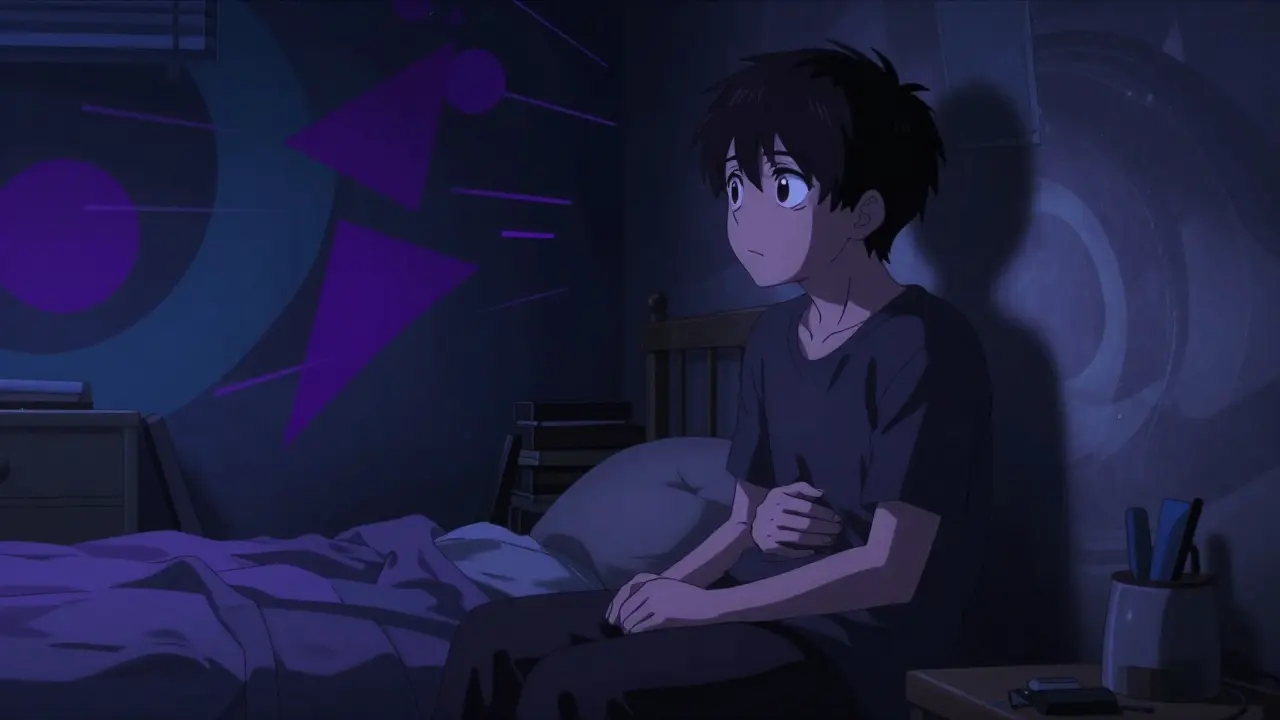
That knot in your stomach when you wake up? That racing heart before a meeting? For many, these are fleeting moments of stress. But for millions, they are the daily reality of living with an anxiety disorder, which is a mental health condition characterized by excessive fear, worry, and physical symptoms that disrupt daily life. It’s not just "worrying too much." It’s a biological and psychological storm that can feel impossible to control.
If you’ve ever felt like your brain is stuck on high alert, you’re not alone. According to recent data from the National Institute of Mental Health (NIMH), approximately 19.1% of U.S. adults experience an anxiety disorder annually. Women are nearly twice as likely to be diagnosed as men. This isn’t a character flaw or a lack of toughness; it’s a medical condition with distinct types, recognizable symptoms, and, most importantly, treatments that actually work.
Understanding the Different Faces of Anxiety
Anxiety isn’t one-size-fits-all. The Diagnostic and Statistical Manual of Mental Disorders (DSM-5), the standard classification system used by clinicians, outlines several specific types. Knowing which one you might be dealing with is the first step toward getting the right help.
- Generalized Anxiety Disorder (GAD): This is the classic "worry wart" scenario, but dialed up to eleven. You feel excessive, unrealistic tension about everyday tasks-bills, health, family-for at least six months. It affects about 3.1% of adults. The key here is that the worry is disproportionate to the actual risk.
- Panic Disorder: Characterized by sudden, intense episodes of fear known as panic attacks. Your body goes into fight-or-flight mode without a clear trigger. Symptoms include chest pain, trouble breathing, and a feeling of impending doom. About 2.7% of adults live with this.
- Social Anxiety Disorder: More than just shyness, this is an intense fear of being judged, embarrassed, or humiliated in social situations. It can make even routine interactions, like ordering coffee, feel terrifying. It impacts roughly 7.1% of adults.
- Specific Phobias: An extreme fear of a specific object or situation, such as heights, spiders, or flying. While common (8.7% prevalence), it only becomes a disorder if it significantly interferes with your life.
- Obsessive-Compulsive Disorder (OCD): Although now classified separately in the DSM-5 due to its unique mechanisms, OCD involves intrusive thoughts (obsessions) and repetitive behaviors (compulsions) aimed at reducing anxiety. It affects 1.2% of adults.
- Separation Anxiety Disorder: Once thought to be just for children, we now know adults suffer from this too. It’s an excessive fear concerning separation from loved ones, affecting 4.1% of adults.
Recognizing the Physical and Cognitive Signs
You might think anxiety is all in your head, but your body keeps score. The symptoms often show up physically long before you realize what’s happening mentally. Recognizing these signs can help you seek help sooner rather than later.
Physically, anxiety triggers the release of adrenaline. This causes your heart rate to spike (often 110-140 beats per minute during a panic attack), makes you sweat, and can lead to trembling. Many people report shortness of breath, dizziness, or nausea. In fact, studies from the Mayo Clinic show that 92% of patients with panic disorder report sweating, while 83% experience shortness of breath.
Cognitively, the experience is equally draining. You might struggle to concentrate because your mind is racing with "what if" scenarios. Rumination-thinking about a problem repeatedly-is reported by 91% of those with GAD. Catastrophic thinking, where you assume the worst possible outcome, is another hallmark. Emotionally, you may feel a sense of dread or fear of losing control, which can be paralyzing.
| Symptom Type | Specific Manifestations | Prevalence/Note |
|---|---|---|
| Physical | Rapid heartbeat, sweating, trembling, shortness of breath | Up to 92% of panic patients report sweating |
| Cognitive | Racing thoughts, difficulty concentrating, rumination | 89% of GAD patients report concentration issues |
| Emotional | Fear of losing control, feeling of impending doom | 95% of panic sufferers report impending doom |

The Gold Standard: Cognitive Behavioral Therapy (CBT)
When it comes to treating anxiety, research consistently points to one method as the most effective: Cognitive Behavioral Therapy (CBT). It is a structured psychotherapy that helps individuals identify and change negative thought patterns and behaviors.
CBT works on the premise that our thoughts, feelings, and actions are interconnected. If you change the way you think about a situation, you can change how you feel and act. Dr. Murray B. Stein, a prominent psychiatrist, notes that CBT has effect sizes of 0.7-1.0 in clinical trials, making it one of the most evidence-based treatments in psychiatry.
A core component of CBT is exposure therapy. This involves gradually facing the things you fear in a controlled, safe environment. For someone with social anxiety, this might start with making eye contact with a cashier and progress to giving a small presentation. Research shows this approach has a 60-80% effectiveness rate for specific phobias and social anxiety. It’s not easy-75% of patients experience temporary symptom worsening during early exposure-but it leads to lasting relief.
A typical CBT course lasts 12-20 weekly sessions. Most people see significant improvement by session 12. The goal isn’t just to survive anxiety but to build tools for managing it independently.

Medication Options: SSRIs and Beyond
For some, therapy alone isn’t enough, or the severity of symptoms requires immediate chemical support. Medication can be a crucial part of the treatment plan, especially when combined with therapy.
Selective Serotonin Reuptake Inhibitors (SSRIs) are the first-line pharmacological treatment. Drugs like sertraline (Zoloft) and fluoxetine (Prozac) work by increasing serotonin levels in the brain, which helps regulate mood. They typically take 8-12 weeks to reach full effect, with response rates of 40-60%. The American Psychiatric Association recommends them over benzodiazepines due to their better safety profile and lower risk of dependence.
Serotonin-Norepinephrine Reuptake Inhibitors (SNRIs), such as venlafaxine, are another option, showing comparable efficacy to SSRIs. They affect both serotonin and norepinephrine, which can be helpful for certain types of anxiety.
What about benzodiazepines? These drugs (like Xanax or Valium) provide rapid relief by calming the nervous system quickly. However, they carry a significant risk of dependence (15-30% with long-term use) and cognitive impairment. Because of this, they are generally prescribed for short-term crisis management rather than long-term treatment.
New developments are also emerging. In 2023, the FDA approved zuranolone (Zurzuvae), an oral neuroactive steroid for postpartum anxiety, showing a 54% remission rate in trials. Additionally, ketamine-assisted therapy is showing promise for treatment-resistant cases, with rapid response rates in recent studies.
Navigating Treatment: Real-World Challenges and Solutions
Knowing what works in a textbook is different from accessing it in real life. A 2022 survey found that only 37% of patients achieved remission after six months of standard care. Why the gap? Barriers like long wait times for specialized therapists (averaging 6-8 weeks) and insurance limitations on session frequency are major hurdles.
Here are some practical steps to navigate these challenges:
- Consider Digital Therapeutics: FDA-cleared apps like Wysa or nOCD offer guided CBT exercises. Studies show they can reduce symptoms by 35-45% in eight weeks with just 20-30 minutes of daily use. Medicare now covers some of these platforms.
- Combine Approaches: Data suggests that combining therapy and medication yields better results (58% improvement) than either alone. Don’t hesitate to discuss a multimodal approach with your doctor.
- Practice Distress Tolerance: While waiting for therapy, learn diaphragmatic breathing (5-6 breaths per minute). This simple technique activates the parasympathetic nervous system, helping to counteract the physical symptoms of anxiety.
- Seek Support Groups: Organizations like the Anxiety and Depression Association of America (ADAA) host hundreds of weekly support groups. Connecting with others who understand can reduce the isolation that often accompanies anxiety.
Remember, treatment is rarely linear. Some days will be harder than others. Side effects from medication or the discomfort of exposure therapy can make you want to quit. But persistence pays off. With the right combination of professional help, self-management tools, and support, anxiety disorders are highly treatable.
How long does it take for CBT to work for anxiety?
Most people begin to see significant improvements in their anxiety symptoms within 12 to 20 weekly sessions of Cognitive Behavioral Therapy (CBT). Typically, about 60-80% of patients show substantial improvement by the 12th session. However, learning the skills takes practice, so expect a gradual process rather than an overnight fix.
Are SSRIs addictive?
No, SSRIs (Selective Serotonin Reuptake Inhibitors) are not considered addictive in the same way benzodiazepines are. They do not cause a "high" or cravings. However, stopping them abruptly can cause withdrawal-like symptoms known as discontinuation syndrome, so it is essential to taper off under a doctor's supervision.
Can anxiety disorders be cured completely?
While there is no definitive "cure" in the sense that the tendency to feel anxiety disappears forever, anxiety disorders are highly manageable. Many people achieve remission, meaning they have few or no symptoms for extended periods. With ongoing practice of coping strategies, individuals can lead full, functional lives without being controlled by anxiety.
What is the difference between normal anxiety and an anxiety disorder?
Normal anxiety is a temporary response to stress or danger and usually fades once the situation resolves. An anxiety disorder involves persistent, excessive fear or worry that is disproportionate to the actual threat and significantly impairs daily functioning, such as avoiding work, social events, or basic activities.
Is exposure therapy safe?
Yes, exposure therapy is safe when conducted under the guidance of a trained therapist. It involves gradual, controlled exposure to feared situations. While it may cause temporary distress, it is designed to help your brain learn that the feared outcomes are unlikely or manageable, leading to long-term reduction in anxiety.
Comments
Dawn Renee
the statistics provided here are clearly manipulated by the pharmaceutical industry to create a market for their drugs.
you are being gaslit into believing your natural survival instincts are a 'disorder'.
they want you dependent on SSRIs which are essentially chemical lobotomies designed to keep the population docile and compliant.
look at the history of psychiatry and see how they pathologize normal human emotions to sell profit margins.
it is not anxiety it is a response to the toxic environment they have created with fluoride in the water and 5G radiation frying our nervous systems.
do not trust the NIMH data because it is funded by the very companies that benefit from your suffering.
the real cure is detoxification and returning to ancestral living practices before society was corrupted by corporate greed.
stop taking their pills and start waking up to the truth about what is happening to our bodies.
On July 4, 2026 AT 00:34
Divya Prakash
It is rather tedious to read such a pedestrian summary of complex psychopathological mechanisms, one assumes the author has merely skimmed the abstracts of recent journals without engaging with the deeper theoretical underpinnings of cognitive-behavioral frameworks.
The distinction between Generalized Anxiety Disorder and mere existential dread is often lost on the layperson, yet the article fails to adequately address the nuanced phenomenological differences that separate clinical pathology from philosophical melancholia.
Furthermore, the suggestion that exposure therapy is a panacea ignores the significant comorbidities that often render such interventions ineffective or even counterproductive in patients with high-functioning neurodivergence.
One must appreciate the intricate dance of neurotransmitters, specifically the interplay between serotonin reuptake inhibition and the downstream effects on hippocampal neurogenesis, which this piece glosses over with alarming brevity.
It is disheartening to see such sophisticated medical science reduced to bullet points for the masses who lack the intellectual fortitude to grasp the subtleties of DSM-5 classifications.
We should perhaps elevate the discourse rather than dumbing it down for those who cannot be bothered to read the primary literature themselves.
On July 5, 2026 AT 15:14
Mohit Patil
cbt is just brainwashing techniques used by the government to control your thoughts and make you conform to societal norms they impose on you.
they call it therapy but its really conditioning like they did in the cold war era to suppress dissent and critical thinking.
ssris are experimental drugs tested on prisoners and now pushed onto civilians to dull their senses so they dont question the system.
the whole mental health industry is a scam to monetize human emotion and keep people trapped in a cycle of dependency.
wake up sheeple and realize your anxiety is a valid response to the oppressive structure of modern society not a disease to be cured with pills.
stop letting them tell you whats wrong with your mind when the problem is clearly external and systemic.
On July 6, 2026 AT 10:47
Chandan Sharma
One cannot help but observe the rather prosaic manner in which these profound psychological afflictions are delineated, as if one were merely listing ingredients for a mundane culinary endeavor rather than addressing the exquisite torment of the human psyche.
The concept of panic disorder, with its visceral betrayal of the body’s own autonomic systems, demands a more poetic articulation, akin to the tragic hero realizing their fate is sealed by forces beyond their control.
To reduce such an experience to mere statistics and prevalence rates is to strip it of its inherent dignity and terror, rendering the sufferer a mere data point in a bureaucratic ledger.
Indeed, the therapeutic approaches mentioned, while scientifically validated, lack the soulful resonance required to truly heal the fractured spirit, suggesting a need for a more holistic integration of art and philosophy in treatment protocols.
We must elevate our understanding of anxiety from a mere malfunction to a complex symphony of internal discord that requires a maestro’s touch to resolve.
On July 6, 2026 AT 13:00
Katie Dixon
Honestly speaking I think we need to look at how our national policies are failing our citizens and causing this widespread distress because if we had better healthcare access and less economic pressure people wouldnt feel so anxious all the time.
Its not just about individual coping mechanisms but about the collective responsibility we have as a society to support each other through these difficult times.
I know some people might say its personal responsibility but lets be real about how hard life is right now with inflation and job insecurity affecting everyone regardless of their background.
We need to stop blaming individuals for systemic issues and start demanding changes that actually improve quality of life for ordinary families across the country.
Your post mentions treatments but doesnt talk enough about the root causes which are largely political and economic factors that we can change if we unite together.
On July 7, 2026 AT 16:26
Anna Bartle
This is such a fantastic resource!!
I love how you broke down the different types of anxiety because it really helps people identify what they are experiencing!
CBT is definitely a game changer for so many people including myself!
Remember that progress is not linear and that is completely okay!
You are doing great just by seeking information!
Keep going!!!
On July 9, 2026 AT 01:54
Chris Munton
It is morally imperative that we recognize the ethical failings within the current psychiatric paradigm which often prioritizes pharmaceutical intervention over genuine moral and spiritual development of the individual.
The reliance on SSRIs reflects a broader societal decay where quick fixes are preferred over the arduous journey of self-improvement and character building.
We must demand higher standards from healthcare providers who too often prescribe medication without exploring the deeper existential voids that plague modern humanity.
This article serves as a reminder of our collective responsibility to uphold integrity in mental health care and to resist the commodification of human suffering for corporate gain.
Let us strive for a world where empathy and wisdom guide our treatment of those struggling with anxiety rather than cold clinical detachment.
On July 10, 2026 AT 10:51
Amrithaa Thayaparan
u r all missing the point entirely because ur elite minds cant comprehend the spiritual awakening that comes with true anxiety which is actually a sign of heightened consciousness not a disorder.
these meds r poison designed to keep u asleep and disconnected from ur higher self and the universe around u.
ive seen too many ppl lose their spark after starting ssris and becoming zombie like shells of who they used to be.
real healing comes from meditation and connecting with nature not from swallowing little colored pills made by big pharma.
stop trusting these fake experts and start listening to ur inner voice which knows the truth about ur condition.
On July 11, 2026 AT 18:23
Paul Diamond
The ontological status of anxiety remains a subject of considerable debate among philosophers of mind, particularly when considering whether it constitutes a distinct entity or merely a manifestation of broader existential unease.
To categorize it strictly within the biomedical model is to ignore the rich tradition of phenomenological inquiry that seeks to understand the lived experience of fear and worry.
Perhaps we ought to consider anxiety not as a defect to be corrected but as a signal pointing towards unresolved tensions in our relationship with reality itself.
This perspective invites a more reflective approach to treatment, one that values introspection and meaning-making alongside behavioral modification techniques.
In doing so, we may discover that the path to alleviating anxiety lies not in suppression but in deeper engagement with the questions that trouble us most profoundly.
On July 12, 2026 AT 10:55
Sydney Jarrett
Let me break down the neuropsychological mechanisms for you since most people here clearly lack the foundational knowledge to understand why CBT works on a synaptic level.
Exposure therapy facilitates habituation through repeated activation of the amygdala-prefrontal cortex pathway, effectively weakening the fear response via long-term depression of synaptic strength.
SSRIs increase extracellular serotonin concentrations by blocking the serotonin transporter protein, which subsequently modulates mood regulation circuits in the limbic system.
Without this basic understanding, you are merely applying bandaids to a gunshot wound instead of addressing the underlying neural circuitry dysfunction.
It is exhausting trying to explain these concepts to people who refuse to engage with the scientific literature properly.
On July 13, 2026 AT 03:52
Lorena Suarez
i just wanted to say thanks for sharing this info because i know a lot of people struggle with this and dont know where to turn.
its good to see that there are options out there besides just pushing pills on everyone.
i hope everyone reading finds what works best for them and remembers to be kind to themselves along the way.
On July 14, 2026 AT 03:14
Isis Fleming
It is important to note that while the information presented is generally accurate, individuals should always consult with qualified healthcare professionals before initiating any new treatment regimen.
The efficacy of Cognitive Behavioral Therapy can vary significantly depending on the specific presentation of symptoms and patient adherence to therapeutic exercises.
Furthermore, the decision to utilize pharmacological interventions should be made carefully, considering potential side effects and interactions with other medications.
Please remember that recovery is a personalized journey and what works for one individual may not be suitable for another.
We encourage continued education and open dialogue with your care team to ensure the best possible outcomes for your mental health.
On July 14, 2026 AT 21:49