
Medication Sweating Severity & Relief Tool
Your Details
Assessment Result
Recommended Action Plan
Select your details and click analyze to see your personalized plan.
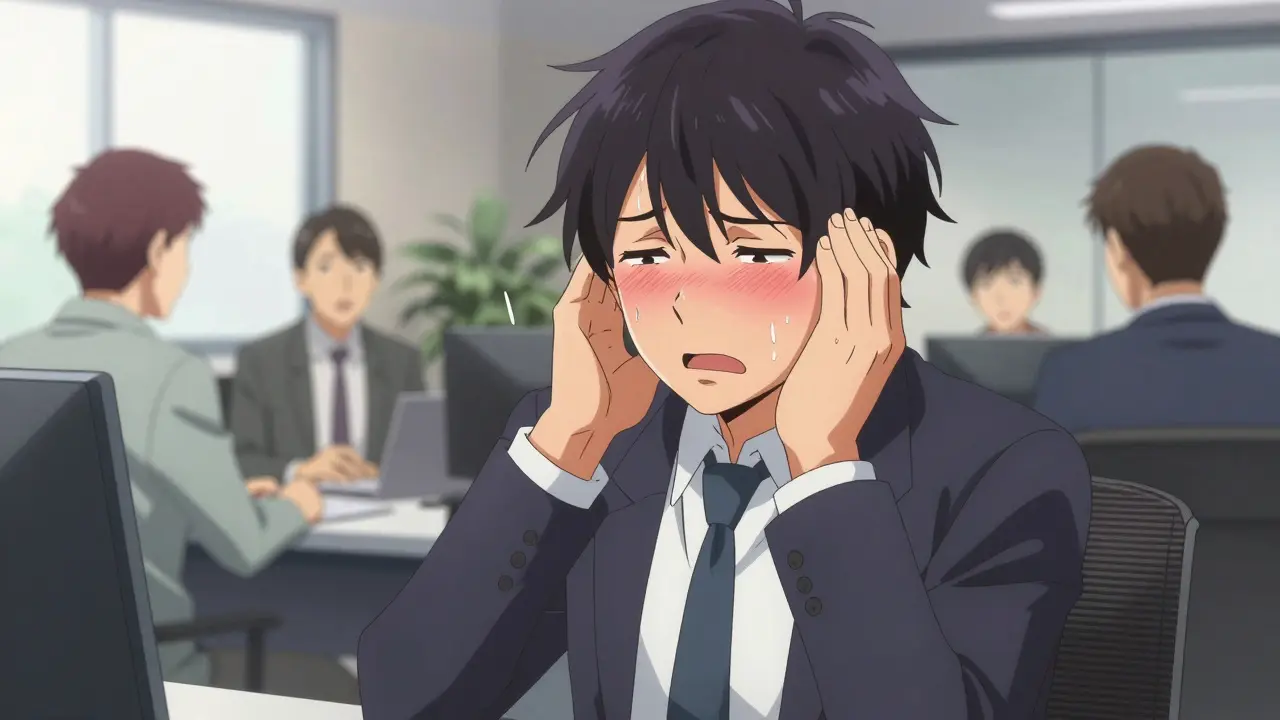
Imagine sitting in a meeting, feeling perfectly fine, only to suddenly break into a cold sweat. Or waking up at night with your sheets soaked, or dealing with intense heat waves that have nothing to do with the weather. If you’ve started a new prescription recently, this might not be stress or menopause-it could be your medication. Drug-induced hyperhidrosis, the medical term for excessive sweating caused by medicines, affects nearly 15% of patients taking certain drugs. It’s a common, frustrating, and often overlooked side effect that can make people stop taking life-saving treatments.
You are not alone in this struggle. A 2023 meta-analysis found that over 14% of patients on specific medications experience these symptoms. The good news? There are proven strategies to manage it without necessarily quitting your medicine. Let’s look at why this happens, which drugs are the usual suspects, and what you can actually do about it.
The Culprits: Which Medications Cause Sweating?
Not all pills create the same side effects. Some medications interfere with your body’s thermostat-the hypothalamus-or trigger your nervous system into overdrive. Knowing which class of drug you’re on is the first step to managing the symptom.
| Medication Class | Common Examples | Why It Causes Sweating | Prevalence Rate |
|---|---|---|---|
| Antidepressants (SSRIs) | Escitalopram (Lexapro), Sertraline (Zoloft) | Serotonin levels affect the brain's temperature regulation center. | ~22% |
| ADHD Stimulants | Adderall, Ritalin | Activates the sympathetic nervous system ('fight or flight'). | ~35% |
| Opioid Painkillers | Oxycodone, Morphine | Triggers histamine release and mast cell activation. | ~41% |
| Cancer Hormone Therapies | Tamoxifen, Anastrozole | Suppresses estrogen, disrupting thermoregulation. | ~78% |
| Corticosteroids | Prednisone | Alters the adrenal axis and metabolic rate. | ~18% |
If you are taking one of these, especially an SSRI or a stimulant, sweating is a known, documented reaction. For breast cancer patients on aromatase inhibitors like exemestane, hot flashes are even more common, affecting nearly eight out of ten women. This isn’t your imagination; it’s biology reacting to chemistry.
Immediate Relief: What You Can Do Today
You don’t have to wait for your next doctor’s appointment to start feeling better. Several low-risk strategies can provide immediate comfort.
- Adjust Your Timing: If you take your antidepressant or ADHD medication in the evening, try switching to morning doses. Research from Cleveland Clinic suggests this simple change can reduce night sweats by over 50% because the peak concentration of the drug in your blood occurs while you’re awake and active, rather than during sleep.
- Cool Down Your Environment: Keep your bedroom temperature below 65°F (18°C). Use breathable, moisture-wicking fabrics like bamboo or specialized synthetic blends for bedding and pajamas. Cotton traps moisture; synthetics designed for sports performance move it away from your skin.
- Layer Up: Wear layers that you can easily remove. When a hot flash hits, being able to strip off a cardigan or jacket provides instant psychological and physical relief.
Many users report success with clinical-strength over-the-counter antiperspirants. While regular deodorants mask odor, antiperspirants contain aluminum salts that temporarily block sweat ducts. Look for products labeled "clinical strength" or containing 12-20% aluminum chloride if available locally.

Medical Interventions: When Home Remedies Aren't Enough
If lifestyle changes don’t cut it, there are medical options. Don’t assume you just have to live with it. Talk to your provider about these evidence-based treatments.
- Prescription Antiperspirants: Over-the-counter options might not be strong enough. Doctors can prescribe stronger formulations of aluminum chloride hexahydrate (like Drysol). Apply these to dry skin at bedtime, usually 2-3 times a week. Effects typically kick in within 7-10 days.
- Anticholinergic Medications: For severe cases, doctors may add a low-dose medication like glycopyrrolate. These drugs block the chemical signals that tell your sweat glands to produce sweat. Clinical trials show they can reduce sweat episodes by over 70%. However, they come with side effects like dry mouth and blurred vision, so they require careful monitoring.
- Switching Medications: Sometimes, the best fix is a different drug. For example, some patients switch from one SSRI to another with a lower risk profile, or from Adderall to a non-stimulant ADHD medication. In breast cancer care, switching from anastrozole to exemestane helped one patient reduce daily hot flashes from 20 down to just 3-4.
Note: Never stop or change your dosage without consulting your doctor. Stopping antidepressants or pain meds abruptly can cause dangerous withdrawal symptoms.

Long-Term Management and New Options
The landscape for treating drug-induced sweating is evolving. In late 2023, the FDA approved Brimonidine Gel 0.33% (Mirvaso) for generalized hyperhidrosis, offering a topical option that reduces sweat episodes significantly compared to placebo. Additionally, cognitive behavioral therapy (CBT) has shown promise. While traditionally used for anxiety, CBT protocols tailored for hot flashes help patients manage the distress and physiological response to sweating, reducing severity by up to 60% after 6-8 sessions.
Looking ahead, wearable technology is entering the scene. Devices like smart patches are currently in trials to detect early signs of sweating and activate cooling mechanisms automatically. Until then, the most reliable path remains a combination of environmental control, topical treatments, and open communication with your healthcare provider.
Will the sweating stop if I stay on the medication?
For some people, yes. The body can adapt to certain medications over time, and side effects may diminish after a few weeks or months. However, for many others, particularly those on long-term hormone therapies or stimulants, sweating can persist as long as they take the drug. If it doesn’t improve after 4-6 weeks, proactive management is necessary.
Can I drink alcohol if my medication causes sweating?
Alcohol is a vasodilator, meaning it widens blood vessels and increases blood flow to the skin, which can worsen hot flashes and sweating. It also interacts negatively with many medications, including opioids and antidepressants. It is generally best to limit or avoid alcohol if you are struggling with medication-induced hyperhidrosis.
Is drug-induced sweating dangerous?
The sweating itself is rarely life-threatening, but it can lead to dehydration and skin irritation. More importantly, it can signal that your dose is too high or that your body isn’t tolerating the medication well. Severe, sudden onset of drenching sweats accompanied by chest pain or confusion requires immediate medical attention to rule out other serious conditions.
How do I talk to my doctor about this side effect?
Be direct and specific. Say, "I am experiencing excessive sweating since starting [Medication Name]. It is affecting my sleep/work." Bring data if possible-note when it happens and how severe it is. Doctors want to know if side effects are impacting your quality of life so they can adjust your treatment plan accordingly.
Are there natural remedies that work?
Some people find relief with black cohosh or soy isoflavones, particularly for hormone-related hot flashes. However, evidence for their effectiveness against drug-induced sweating is mixed. Always check with your pharmacist before adding supplements, as herbs can interact with prescription drugs, potentially altering their effectiveness or causing additional side effects.