
When you take a drug side effect, an unintended reaction to a medication that isn’t the main purpose of the drug. Also known as adverse drug reaction, it’s something nearly everyone experiences at some point—whether it’s a mild headache from an antibiotic or dizziness after a blood pressure pill. These aren’t rare mistakes or bad luck. They’re built into how medicines work. Your body isn’t a machine that only responds to what you want it to. It reacts, adapts, and sometimes overreacts. That’s why even safe, FDA-approved drugs can cause nausea, fatigue, dry mouth, or worse.
Not all drug interactions, when one medication changes how another works in your body are obvious. Take metoclopramide, a drug used for nausea that can cause serious movement disorders if taken too long, or atenolol-chlorthalidone, a combo blood pressure pill that can lower potassium and make you feel weak. Even something as simple as atorvastatin, a statin used to lower cholesterol, can cause muscle pain in some people. These aren’t edge cases—they’re documented, common, and often preventable if you know what to look for.
Side effects aren’t just about the drug itself. They’re shaped by your age, what else you’re taking, your liver and kidney function, even what you eat. That’s why fludrocortisone, a steroid used in seniors for adrenal issues needs careful monitoring in older adults, and why sevelamer hydrochloride, a phosphate binder for kidney patients requires strict timing with meals. Ignoring these details isn’t carelessness—it’s risk.
Some side effects fade after a few days. Others stick around. A few need immediate attention. The key isn’t avoiding meds—it’s understanding them. Knowing what’s normal and what’s warning helps you talk smarter with your doctor, spot problems early, and make better choices. You don’t have to live with every little discomfort, but you also shouldn’t stop a medicine just because you feel off. That’s why this collection brings together real, practical guides on how to recognize, manage, and sometimes avoid the most common and concerning side effects. Whether you’re on antibiotics, heart meds, pain relievers, or supplements, you’ll find clear advice on what to expect and what to do next.

Struggling with sweating or hot flashes from your meds? Learn which drugs cause this, why it happens, and practical relief strategies ranging from timing adjustments to prescription treatments.
Read More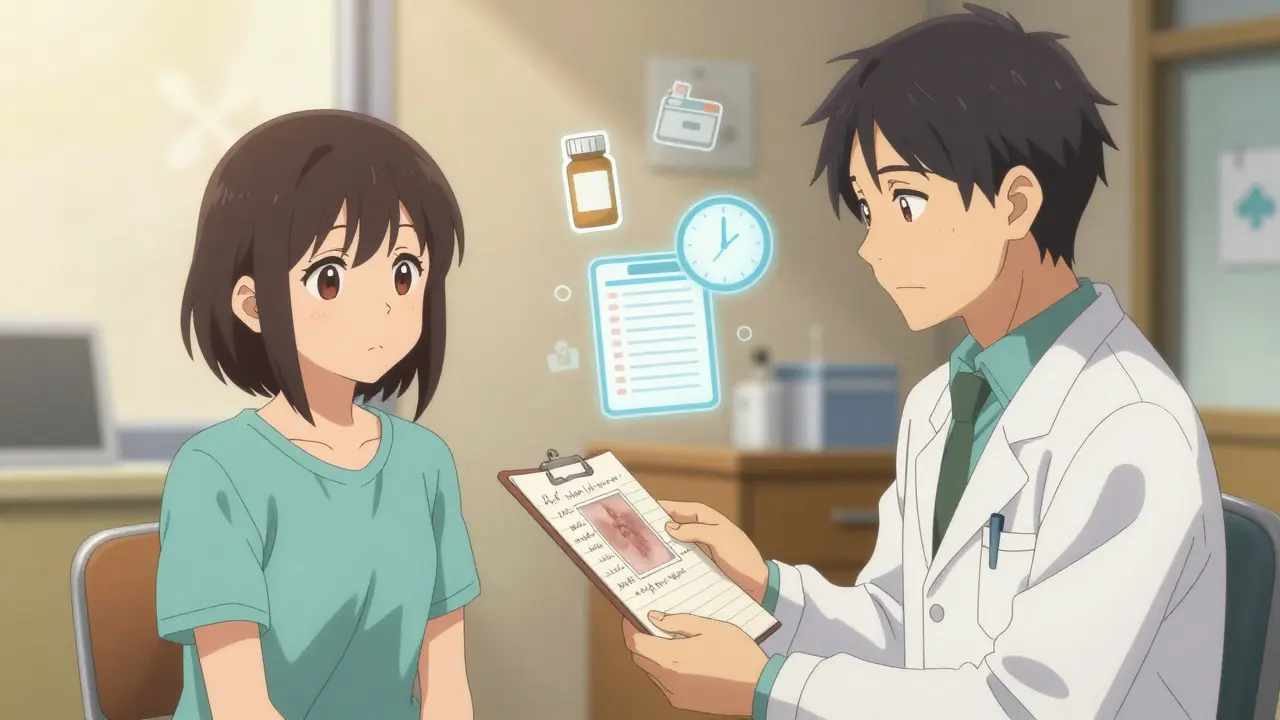
Learn how to clearly report medication side effects to your healthcare provider using specific details, proven communication methods, and tools like the FDA's 5 Ws framework. Your report can prevent serious drug reactions and improve safety for everyone.
Read More
Clinical trial data shows how drugs perform under ideal conditions, but real-world side effects reveal what actually happens when millions use them. Learn why the two often differ-and what it means for your health.
Read More© 2026. All rights reserved.