
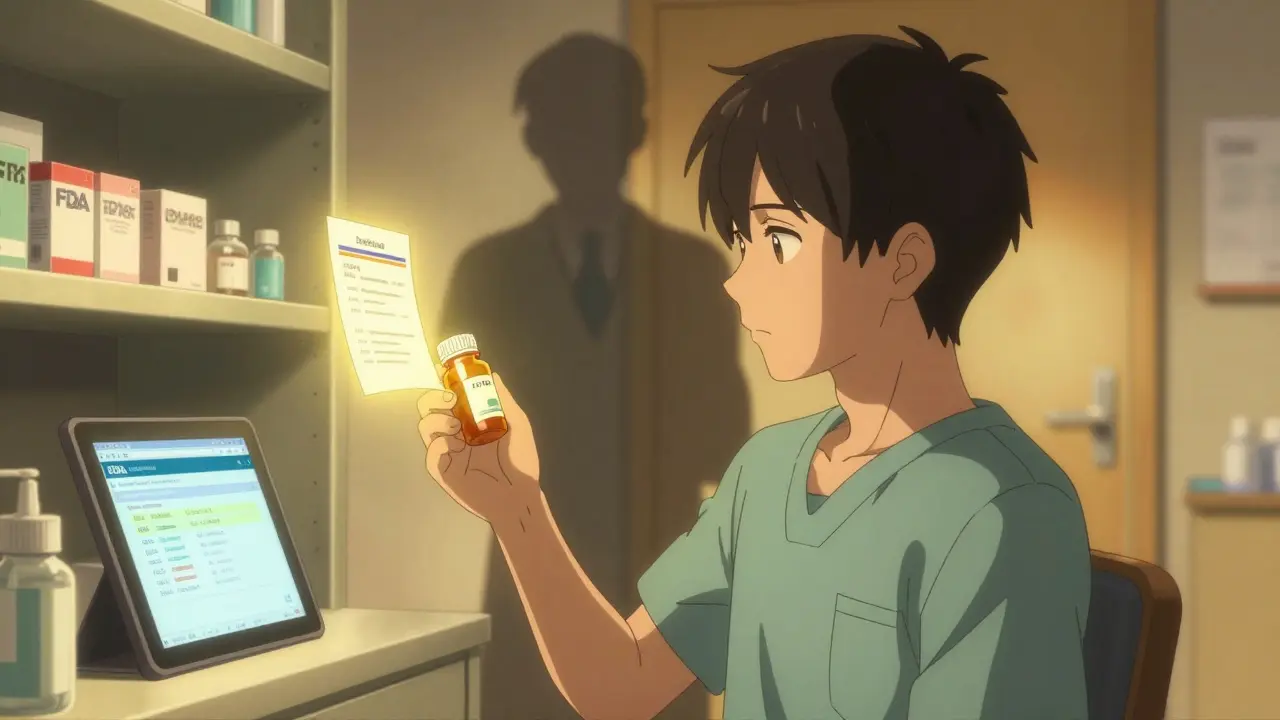
What to Do Right Now If Your Medicine Is Recalled
If you open your medicine cabinet and see a recall notice for your prescription, don’t panic. But also don’t ignore it. About 4,872 drug recalls happened in the U.S. in 2022 alone. Most aren’t emergencies-but many can be dangerous if handled wrong. The key isn’t stopping your medicine. It’s acting fast, the right way.
Don’t Stop Taking Your Medicine
One of the biggest mistakes patients make? Stopping their medication cold turkey. That’s often more dangerous than the recall itself. In 2021, during the valsartan recall, the FDA specifically told patients: “Continue taking your medicine until you talk to your doctor or pharmacist.” Why? If you’re on blood pressure meds, diabetes drugs, or heart medication, skipping doses can lead to strokes, heart attacks, or diabetic emergencies. The recall doesn’t mean the drug stopped working. It means there’s a problem with the batch-like contamination, wrong labeling, or a manufacturing flaw. Your body still needs the medicine. Your doctor or pharmacist will give you a safe replacement.
Check Your Lot Number and Expiration Date
Not every pill in the box is affected. Only specific lots are recalled. The FDA requires manufacturers to include exact details in recall notices: brand name, dosage, lot number, and NDC code. Your pill bottle should have a lot number printed on it-usually near the expiration date. It looks something like “AB1234” or “L202309.” Compare that number to the one in the recall notice. If it doesn’t match? You’re fine. If it does? Don’t throw it away yet. Call your pharmacy.
Here’s the truth: 45% of patients assume the whole drug is recalled when only one batch is. That’s why checking the lot number is step one. If you’re not sure where to find it, take a photo of your bottle and send it to your pharmacist. They’ll tell you in minutes.
Call Your Pharmacy First
Your pharmacy isn’t just a place to pick up prescriptions. They’re your frontline defense in a recall. According to the American Pharmacists Association, 92% of pharmacies have a recall response system ready. They can check your exact medication against the recall list, confirm if your lot is affected, and often give you a replacement within 24 to 48 hours. Some even offer free delivery. Don’t wait for a letter or email. Call them. Even if you’re not sure-call anyway. It takes two minutes. And it could save your health.
Don’t Flush or Trash It
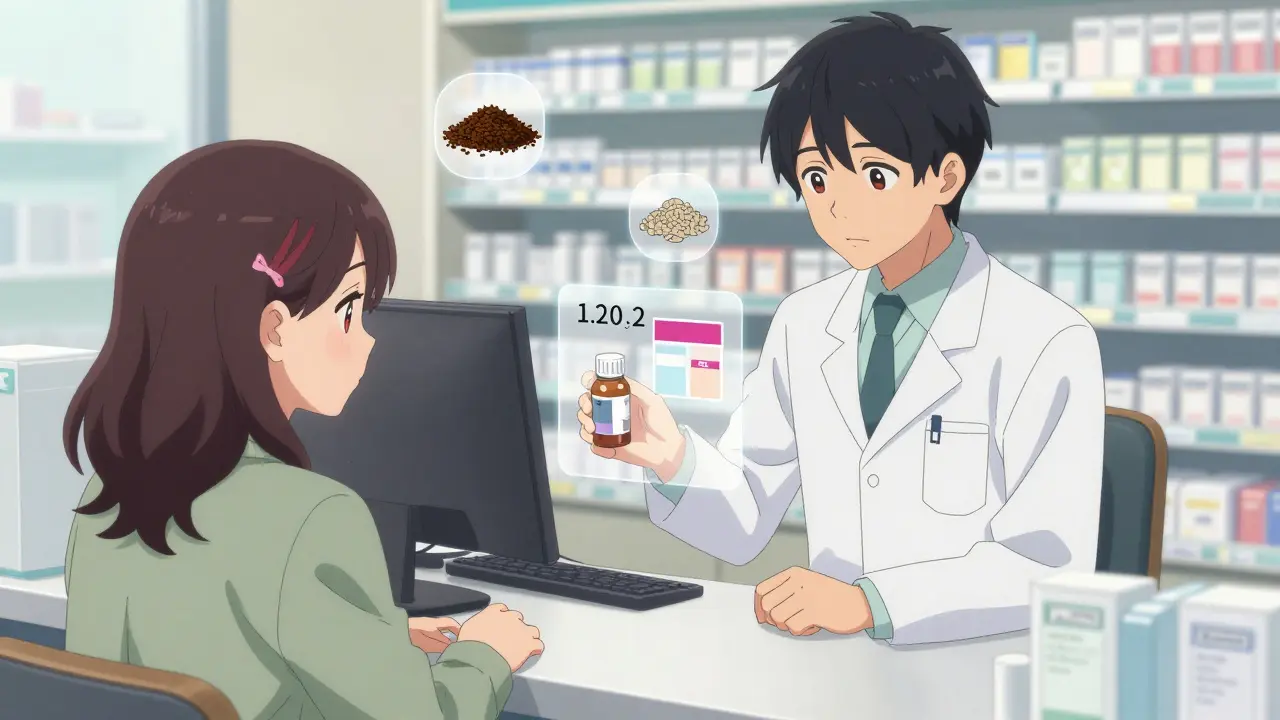
If your pharmacist says to dispose of the recalled medicine, don’t just toss it in the trash or flush it down the toilet. That’s harmful to the environment and risky for kids or pets. The FDA recommends mixing the pills with something unappetizing-used coffee grounds, cat litter, or dirt. Put that mix in a sealed plastic bag or container, then throw it in the trash. This keeps it out of water systems and away from curious hands. If the recall notice gives specific disposal instructions, follow them exactly. If it doesn’t, ask your pharmacist. They’ve seen this before.
Watch for Side Effects
If you’ve already taken the recalled medication, pay attention to how you feel. Did you get a strange rash? Nausea? Dizziness? Headache? These could be signs the drug was contaminated or mislabeled. The FDA’s Adverse Event Reporting System (FAERS) logged over 1.2 million medication-related side effects in 2022. About 8% of those were tied to recalled drugs. That’s why keeping a log matters. Write down when you took the medicine, the lot number, and any symptoms you had. If something feels off, call your doctor. Don’t wait. Bring your medicine log with you. It helps them act faster.
How to Check for Recalls Yourself
You don’t have to wait for a letter. You can check for recalls anytime. Go to the FDA’s website and use their search tool. Type in your drug’s brand name-like “Lisinopril” or “Metformin.” Use the “Product Type” filter to narrow results. Click on the recall notice. It will list the affected lot numbers, why it was recalled, and what to do next. The FDA also offers a free RSS feed for real-time alerts. About 45% of healthcare pros use it. You should too. Set it up once, and you’ll get notified the moment a recall is announced.
Common Mistakes (And How to Avoid Them)
- Mistake: Stopping your medicine without talking to a professional. Fix: Always consult your doctor or pharmacist first.
- Mistake: Assuming your whole bottle is recalled. Fix: Always check the lot number. Most recalls affect less than 1% of total production.
- Mistake: Throwing pills in the trash or flushing them. Fix: Mix with coffee grounds or cat litter, seal in plastic, then trash.
- Mistake: Not keeping a record of your meds. Fix: Write down the name, dose, lot number, and expiration date for every prescription. Only 18% of patients do this-but those who do resolve recalls 60% faster.
What Gets Recalled Most Often?
Not all drugs are equal when it comes to recalls. In 2022, the top three recalled drug classes were:
- Blood pressure meds (like valsartan, losartan)-18% of Class I recalls
- Diabetes drugs (like metformin)-15%
- Cancer treatments-12%
Most recalls (65%) come from manufacturing issues-like pills made in the wrong environment or with the wrong ingredients. Labeling errors (20%) and contamination (10%) are next. Only 5% are linked to unexpected side effects. That means most recalls are caught before they hurt anyone. But you still need to act.
What’s Changing in 2026?
The FDA is getting better at reaching patients directly. In 2023, they started working with pharmacy benefit managers (PBMs) to send recall alerts straight to your phone or email-when you fill your prescription. Pilot programs showed a 35% faster response time. That means you’ll get the warning before you even leave the pharmacy. It’s a big step forward. But until it’s nationwide, you still need to check. Stay alert. Stay informed.
Keep a Medication Log
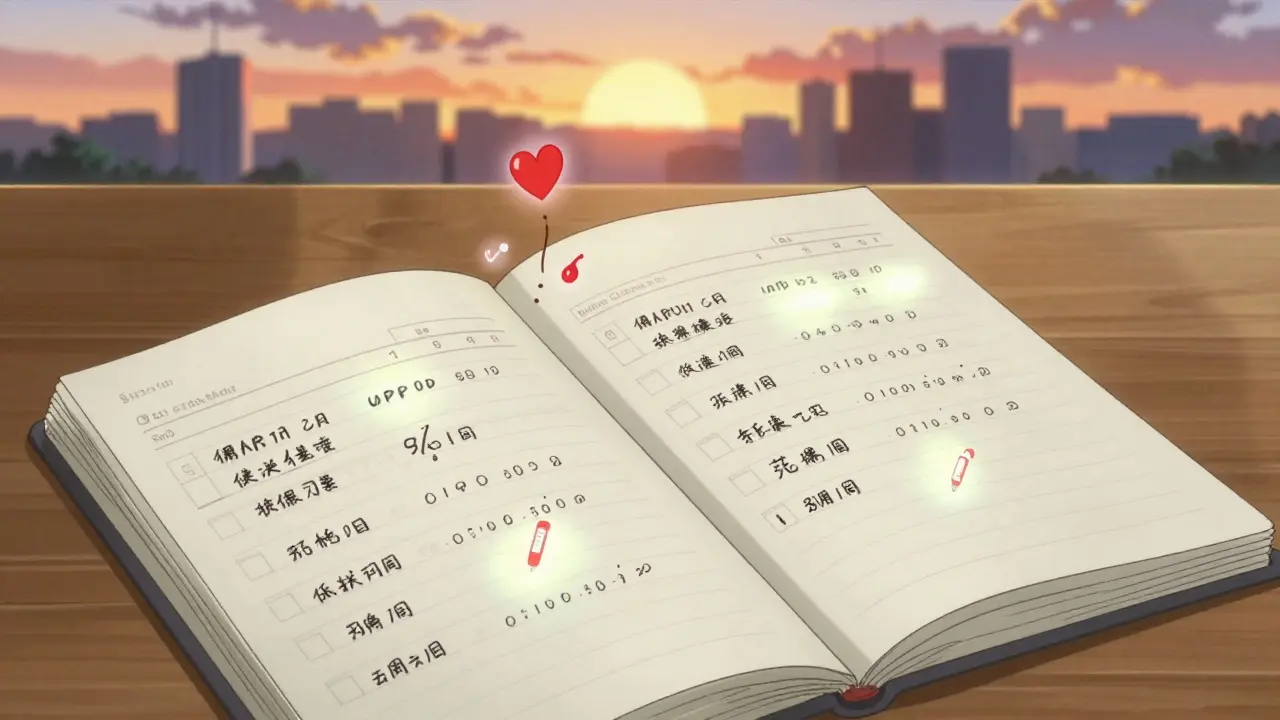
Here’s the simplest, most powerful thing you can do: keep a small notebook or digital note with your prescriptions. Include:
- Drug name (brand and generic)
- Dose and frequency
- Lot number
- Expiration date
- Pharmacy name and phone
Update it every time you refill. When a recall happens, you’ll know instantly if you’re affected. No guessing. No panic. Just action. And if you ever need to report a side effect, you’ll have the details ready. The FDA’s MedWatch program received over 142,000 patient reports in 2022-and 27% of those led to new recalls. Your report matters. But only if you have the facts.
Bottom Line
Medication recalls are scary-but they’re not a death sentence. Most are precautionary. Most affect only a tiny fraction of pills. But they’re also serious. Your job isn’t to fix the system. It’s to protect yourself. Check your lot number. Call your pharmacy. Don’t stop your meds. Don’t flush them. Keep a log. Stay calm. Act fast. That’s how you stay safe when the system has a glitch.
What should I do if I find out my medication has been recalled?
Don’t panic. Don’t stop taking it. Check the lot number on your bottle against the recall notice. If it matches, call your pharmacy right away. They can confirm if your medicine is affected and give you a safe replacement within 24 to 48 hours. Follow their instructions for disposal or next steps.
Can I just throw away recalled medicine in the trash?
No. Flushing or tossing pills directly into the trash can harm the environment and put children or pets at risk. Mix the pills with something unappetizing like used coffee grounds, cat litter, or dirt. Put the mixture in a sealed plastic bag or container, then throw it in the trash. Always follow the disposal instructions in the recall notice-if none are given, ask your pharmacist.
Do all pills in a prescription bottle get recalled?
No. Only specific batches, identified by lot number, are recalled. Most recalls affect less than 1% of total production. Never assume your entire supply is unsafe. Always check the lot number on your bottle against the official recall notice. If it doesn’t match, your medicine is safe to take.
Why does the FDA say not to stop taking recalled medicine?
Stopping certain medications suddenly-like blood pressure, diabetes, or heart drugs-can cause serious health problems, including stroke, heart attack, or diabetic crisis. The recall means the batch has a flaw, not that the medicine doesn’t work. The FDA advises continuing your dose until you get a safe replacement from your doctor or pharmacist.
How can I find out if my medicine is recalled?
Go to the FDA’s website and search for your drug by brand or generic name. Use the product type filter to narrow results. Click on the recall notice to see affected lot numbers and details. You can also sign up for the FDA’s free RSS feed to get real-time alerts. Your pharmacy can also check for you-just call with your prescription details.
Are recalled medications always dangerous?
No. Only about 15% of recalls are Class I-the highest risk, where harm or death is possible. Most (about 60%) are Class III, meaning they’re unlikely to cause harm but need correction-for example, wrong label printing or packaging errors. Even Class II recalls (moderate risk) rarely cause permanent damage. Still, always follow official guidance. Don’t assume a recall is minor. Treat every one seriously until you know the facts.
What should I do if I experience side effects after taking a recalled drug?
Contact your healthcare provider immediately. Write down what symptoms you had, when they started, and what medication you took-including the lot number. Report the side effect to the FDA’s MedWatch program. Your report helps identify patterns and may lead to further action. Don’t wait. Early reporting saves lives.
Can I get a refund or replacement for recalled medication?
Yes. Most pharmacies will replace recalled medication at no cost. Some insurance plans cover the replacement even if you’ve already paid. Call your pharmacy and ask. They’ll work with the manufacturer or distributor to get you a new, safe batch. You shouldn’t pay for a recalled product.
Why do so many recalls happen with blood pressure and diabetes drugs?
These drugs are often made with complex chemical processes and are produced in large volumes by a few manufacturers. Small errors-like contamination during manufacturing or incorrect mixing of ingredients-can affect entire batches. Blood pressure drugs like valsartan have had multiple recalls due to trace impurities from overseas suppliers. Diabetes drugs like metformin have been recalled for NDMA, a potential carcinogen. These aren’t random. They’re linked to global supply chain issues and manufacturing standards.
How often do medication recalls happen?
About 4,800 drug recalls occur in the U.S. each year. That number has increased 12% since 2021, mostly due to more complex manufacturing and global sourcing. But the system is working: most recalls are caught before patients are harmed. The FDA and manufacturers now respond faster than ever-98% of Class I recalls are resolved within 10 business days when protocols are followed.
Comments
Ryan Pagan
I've been a pharmacist for 18 years and let me tell you-most people panic and toss their meds without checking the lot number. Big mistake. I had a guy come in last week screaming about his blood pressure pills being recalled, but his bottle said L202307 and the recall was L202309. He was so relieved he bought me coffee. Seriously, check the damn number. It's printed right there. No guesswork needed.
On January 28, 2026 AT 18:57
Paul Adler
The article provides a well-structured and clinically sound approach to handling medication recalls. It is particularly commendable that it emphasizes continuity of therapy under professional guidance. The data cited from the FDA and American Pharmacists Association lend significant credibility to the recommendations. I would only add that patients should also verify recall status through their insurance provider’s portal, as many now integrate FDA alerts directly.
On January 29, 2026 AT 20:03
Andy Steenberge
I love how this breaks down what to do without fear-mongering. So many people think a recall means their medicine is poison, but honestly? Most are just labeling errors or tiny contamination issues. I keep a little notebook in my wallet with all my meds-name, dose, lot, pharmacy. Took me 30 seconds to set up. Now when a recall hits, I’m not scrambling. I just pull it out, compare, call my pharmacist. Done. And yeah, mixing pills with coffee grounds? Genius. My cat won’t dig through my trash anymore. Win-win.
On January 31, 2026 AT 17:41
DHARMAN CHELLANI
lol u think the fda cares? they’re just coverin up pharma scams. recall? more like ‘we sold 2 million bottles of fake metformin and now we’re scared’. u check lot numbers? pfft. they’ll just swap it for another bad batch. next thing u know, ur blood pressure med has plutonium in it. #trustthegov
On January 31, 2026 AT 23:32
Kacey Yates
STOP TELLING PEOPLE TO CALL THEIR PHARMACY THEY’RE ALWAYS WRONG AND MAKE YOU WAIT 3 HOURS. I GOT A RECALL EMAIL AND WENT TO CVS AND THEY SAID MY LOT WAS FINE BUT THEN I CHECKED THE FDA SITE AND IT WASN’T. THEY DON’T EVEN UPDATE THEIR SYSTEMS. JUST THROW IT AWAY AND GET A NEW RX FROM A DIFFERENT PHARMACY. SERIOUSLY
On February 1, 2026 AT 18:47
ryan Sifontes
i think all this is just a distraction. why are there so many recalls? because the system is rigged. big pharma pays off the fda. my meds have been recalled 3 times in 2 years. same drug. same company. they just repackage it and send it back. i stopped taking everything. now i use essential oils. my bp is better anyway.
On February 2, 2026 AT 10:44
Laura Arnal
This is SO helpful!! 🙌 I used to panic every time I got a recall email but now I just check the lot number and call my pharmacy-they’re amazing! One even mailed me a new bottle for free! 💊❤️ Keep sharing stuff like this!!
On February 4, 2026 AT 03:54
Eli In
I’m from the Philippines and we don’t have this kind of info easily available. I just learned about lot numbers because of this post. 🌏 Thank you for making it so clear. I’m going to share this with my mom back home-she’s on blood pressure meds and has no idea how to check. This could literally save her life. 🙏
On February 4, 2026 AT 04:38
Keith Oliver
You people are overcomplicating this. I’ve been on 12 different recalled meds in 5 years. All I do is screenshot the FDA page, send it to my doctor’s WhatsApp, and say ‘fix it’. They send me a new bottle in 2 days. No calling. No coffee grounds. No notebooks. Just text them. They get paid to handle this. Use your phone like a normal person.
On February 4, 2026 AT 08:14