
When antibiotic resistance, the ability of bacteria to survive drug treatment that once killed them. Also known as drug resistance, it turns once-treatable infections into life-threatening dangers. This isn’t science fiction—it’s happening right now, in homes, hospitals, and clinics. Every time antibiotics are used unnecessarily, we give bacteria a chance to adapt. And they’re winning.
It starts with how we use these drugs. Many people take antibiotics for colds or flu—even though those are caused by viruses, not bacteria. Others stop taking their pills early when they feel better, leaving behind the toughest bacteria to multiply. These survivors pass on their resistance genes, creating superbugs, bacteria that resist multiple antibiotics. One of the biggest drivers? antibiotic misuse, prescribing or taking antibiotics when they’re not needed. A simple sore throat might not need antibiotics, but if you insist on them, you’re helping build a bigger problem.
And it’s not just about personal choices. Antibiotics are used heavily in farming to make animals grow faster or prevent disease in crowded conditions. Those drugs enter our food chain and water supply, adding to the mix. Even when you don’t take an antibiotic yourself, you’re still exposed to the fallout.
But here’s the good news: you can help turn this around. Never pressure your doctor for antibiotics. If you’re prescribed them, take the full course—even if you feel fine. Never share your antibiotics with someone else. And talk to your pharmacist about what you’re taking, especially if you’re using over-the-counter supplements or other meds. As shown in posts about medication timing and OTC disclosure, how you use drugs matters more than you think.
Some infections, like H. pylori, require antibiotics—and getting them right matters. Miss a dose, stop early, or pick the wrong one, and you risk creating resistant strains right in your own stomach. That’s why proper treatment isn’t just about healing you—it’s about protecting others too.
The fight against antibiotic resistance isn’t just for doctors or scientists. It’s for every person who takes a pill, feeds a child, or visits a clinic. The choices you make today shape the medicines available for your kids tomorrow. The posts below show how this issue connects to real-world care—from how the FDA tracks drug safety to how pharmacists spot risks in generic substitutions. You’ll find practical advice on using antibiotics wisely, avoiding dangerous interactions, and understanding why timing and adherence aren’t just rules—they’re lifesavers.
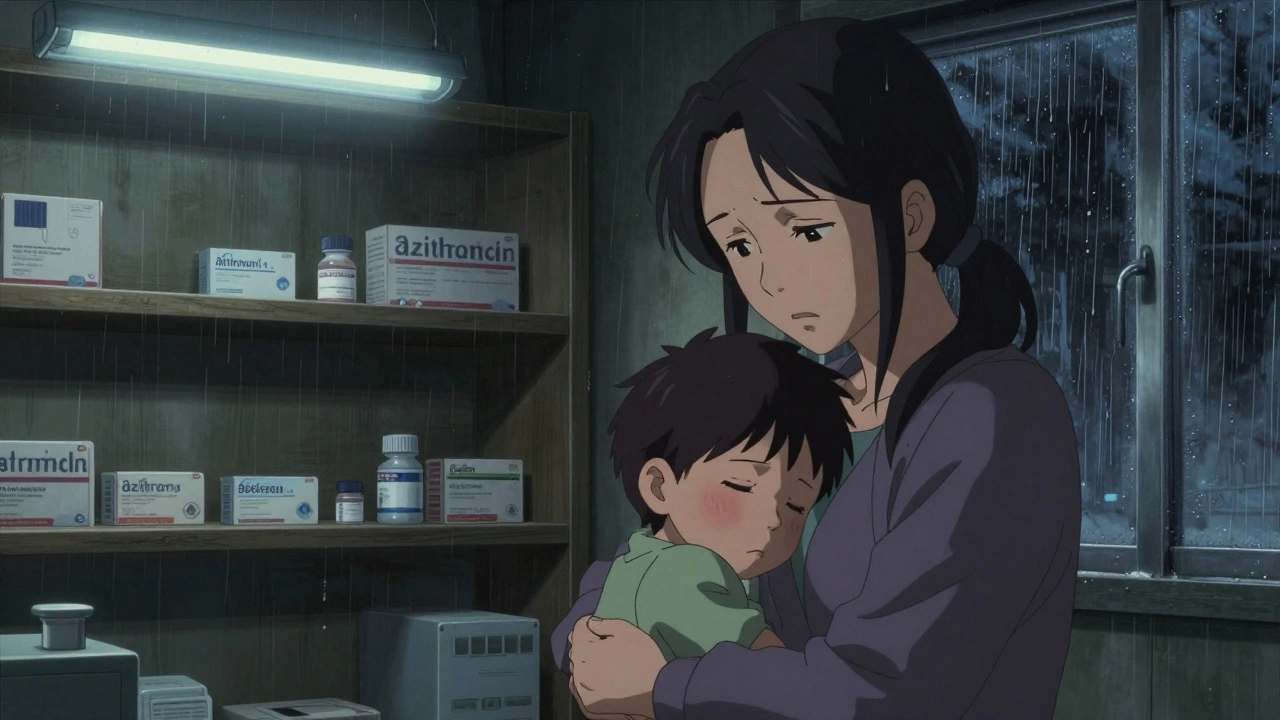
Antibiotic shortages are delaying treatment for common infections worldwide, forcing doctors to use riskier drugs or send patients home untreated. Rising resistance and broken economics are driving the crisis.
Read More© 2026. All rights reserved.