
When you hear authorized generics, brand-name drugs made by the original manufacturer and sold under a generic label. Also known as brand-generic equivalents, they’re not knockoffs—they’re the exact same pills, capsules, or liquids you’d get from the brand, just without the fancy packaging or marketing cost. These aren’t the same as regular generics made by other companies. Authorized generics come straight from the same factory, same formula, same quality control. That’s why pharmacists and doctors trust them more than standard generics for drugs where even tiny differences can cause problems—like blood thinners, thyroid meds, or epilepsy drugs.
Behind every authorized generic is a authorized generics database, a list maintained by the FDA and drug manufacturers that tracks which generic versions are produced by the original brand company. This isn’t public-facing like a Google search, but pharmacies and providers use it to verify if a generic you’re getting is truly an authorized version. If your prescription says "propranolol" but you’re getting the exact same pill as Inderal, that’s an authorized generic. The same goes for Synthroid’s generic version made by AbbVie or Lipitor’s generic from Pfizer. These databases help avoid confusion when multiple generic versions exist, especially for drugs with a narrow therapeutic index, medications where small changes in dosage or absorption can lead to serious side effects. That’s why pharmacists like the ones writing about NTI generics on this site get nervous when patients switch between non-authorized generics—they don’t always behave the same way in the body.
Why does this matter to you? Because an authorized generic can cost 50-80% less than the brand, but still give you the same results. No guesswork. No trial-and-error. You’re getting the same drug your doctor prescribed, just cheaper. If you’ve ever been told your insurance won’t cover the brand, but the generic made you feel different—chances are you got a regular generic, not an authorized one. You can ask your pharmacist: "Is this an authorized generic?" and they can check the database. You’re not asking for something rare—you’re asking for the exact same medicine, just without the brand name. And if you’re using a medication where consistency matters—like lithium, warfarin, or levothyroxine—this isn’t just about saving money. It’s about staying safe.
Below, you’ll find real-world posts that dig into how these drugs are made, how to spot them, why some generics cause problems, and how to make sure you’re getting the right version every time. Whether you’re managing a chronic condition, fighting high drug prices, or just trying to understand what’s in your pill bottle, this collection gives you the facts without the fluff.
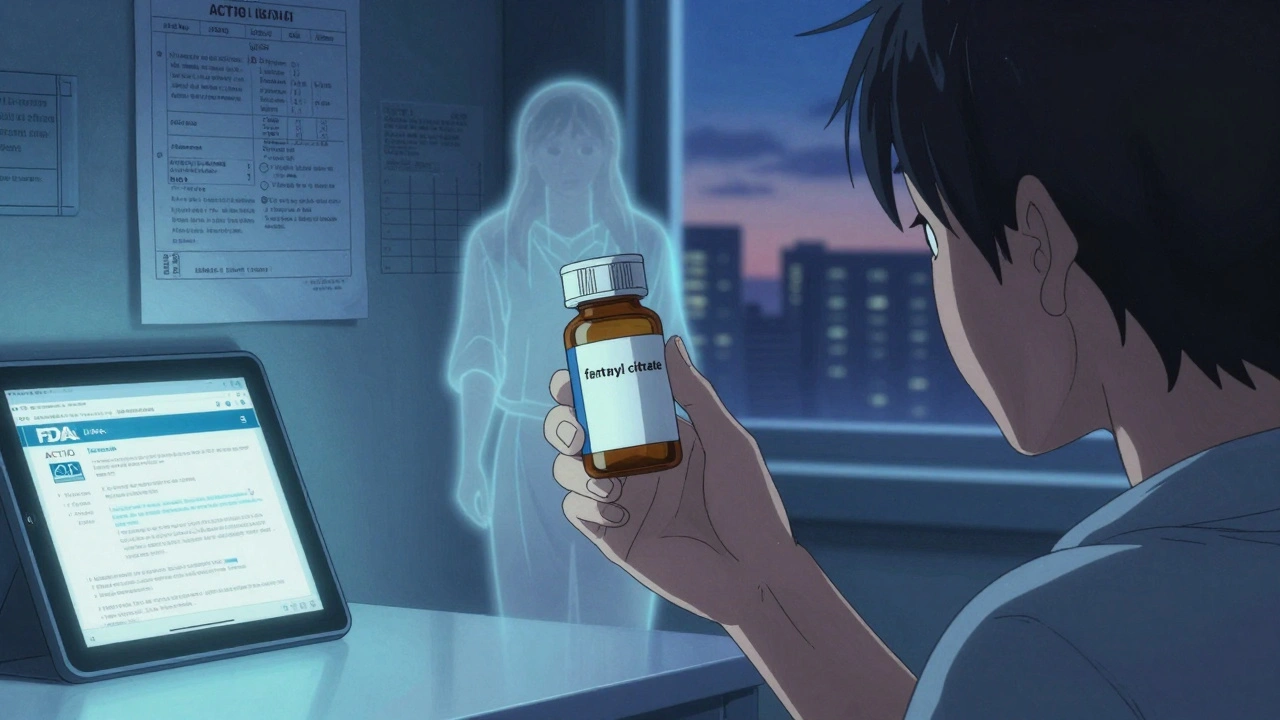
Learn where to find the FDA's official list of authorized generics, how to use it to save on prescriptions, and why it often doesn't tell you if a drug is actually available. Get practical steps to find real savings.
Read More© 2026. All rights reserved.