
When you buy medicine, you expect it to work — and to be safe. But counterfeit drugs, fake versions of real medications that are made to look authentic but often contain harmful or inactive ingredients. Also known as fake medications, these dangerous products are sold online, in unlicensed pharmacies, or even through street vendors. They might have the right color, shape, or logo — but they could be filled with chalk, rat poison, or no active ingredient at all. The FDA estimates that over 1 in 10 medicines worldwide are fake, and in some countries, it’s as high as half of all pills sold.
These fake pills, counterfeit versions of common drugs like Viagra, Xanax, or antibiotics that are often sold without a prescription are especially dangerous because people think they’re getting real treatment. A fake version of a blood pressure pill might do nothing — and leave someone at risk of stroke. A fake antibiotic might not kill the infection, but it could make bacteria stronger. And fake painkillers? Many contain fentanyl, which has killed thousands who thought they were taking ordinary oxycodone.
Where do these come from? Most are made in unregulated labs overseas, shipped in bulk, and then repackaged to look like they came from your local pharmacy. Even websites that look professional — with real-looking logos, secure checkout buttons, and fake reviews — can be fronts for criminal operations. And if you’re buying from a site that doesn’t ask for a prescription, you’re already at risk.
Real pharmacies, even online ones, require a valid prescription. They’re licensed, have a physical address you can check, and are verified by groups like the National Association of Boards of Pharmacy. If a deal seems too good to be true — like $5 pills for a drug that normally costs $100 — it almost always is. Your health isn’t worth the gamble.
Some people turn to counterfeit drugs because they can’t afford the real ones. But there are safer ways to save: switching to generics, checking patient assistance programs, or talking to your doctor about alternatives. You don’t need to risk your life to save money.
Knowing what to look for helps. Check the packaging for spelling errors, mismatched fonts, or odd smells. Compare the pills to ones you’ve taken before — size, color, markings. If something feels off, don’t take it. Report it to your pharmacist or the FDA. Fake drugs don’t just hurt you — they hurt everyone by undermining trust in real medicine.
The posts below give you real, practical tools to protect yourself. You’ll find guides on how to verify online pharmacies, spot fake labels, understand FDA alerts, and avoid dangerous substitutions. Whether you’re buying for yourself, a parent, or a child, this collection gives you the facts you need — not fear, not fluff — just clear, actionable steps to keep your family safe from counterfeit drugs.
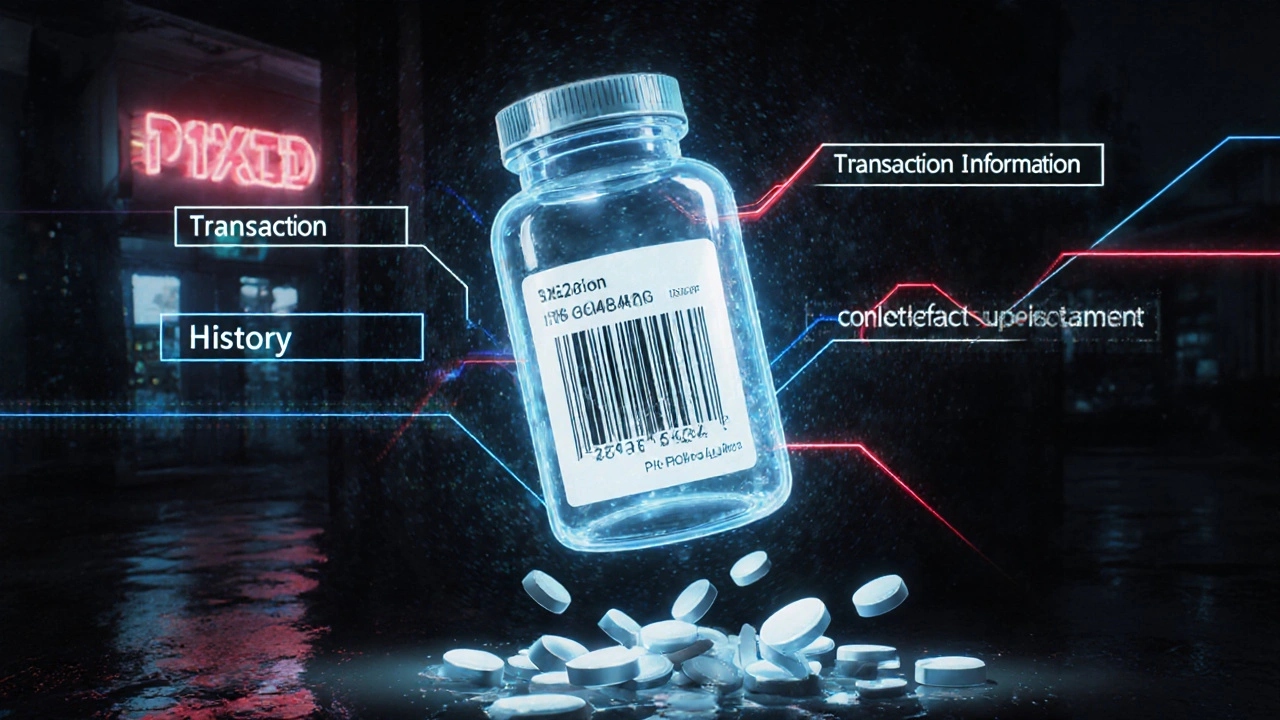
The DSCSA track-and-trace system is the U.S. government's federal solution to stop counterfeit drugs by requiring every prescription package to have a unique digital identifier. Learn how it works, who must comply, and why it matters for patient safety.
Read More© 2026. All rights reserved.