
When you pick up a prescription or grab a bottle of painkillers off the shelf, you're trusting that drug safety, the system designed to ensure medications work as intended without causing harm. Also known as medication safety, it's not just about avoiding side effects—it's about making sure the right drug gets to the right person, at the right dose, without being fake or contaminated. This isn’t theoretical. Every year, thousands of people are harmed because of errors in labeling, counterfeit pills, or dangerous combinations that no one warned them about.
Take DSCSA, the federal system that tracks every prescription drug from manufacturer to pharmacy. It exists because fake pills—some laced with fentanyl—are flooding the market. Or consider how EMA labeling, the European standard for drug instructions differs from the FDA’s. One might warn about drowsiness in bold print; another buries it in fine text. These differences change how people use their meds, and they’re not always obvious to patients. Then there’s drug interactions, when two or more medicines react in ways that can be deadly. Melatonin with sedatives? A bad combo. Menthol cigarettes making nicotine harder to quit? That’s a safety issue too. These aren’t edge cases—they’re everyday risks families face without realizing it.
Drug safety isn’t just about what’s on the label. It’s about how your pharmacy prevents early refills, how your insurance steers you toward generics, and whether the pill you’re taking actually dissolves the same way as the brand version. It’s about knowing why your doctor switched your blood pressure med, or why your kidney patient needs to track phosphate binders like PhosLo. It’s about recognizing that clinical trial data doesn’t always reflect what happens when millions take the drug daily. This collection brings together real-world stories, regulatory breakdowns, and practical checks you can use right now—whether you’re managing a chronic condition, caring for an elderly parent, or just trying to avoid a dangerous mix-up with your child’s medicine.
Below, you’ll find clear, no-fluff guides on exactly what to watch for—how to spot counterfeit drugs, how to compare alternatives safely, how to read labels like a pro, and what to ask your pharmacist before you leave the counter. No jargon. No marketing. Just what you need to keep your family safe.
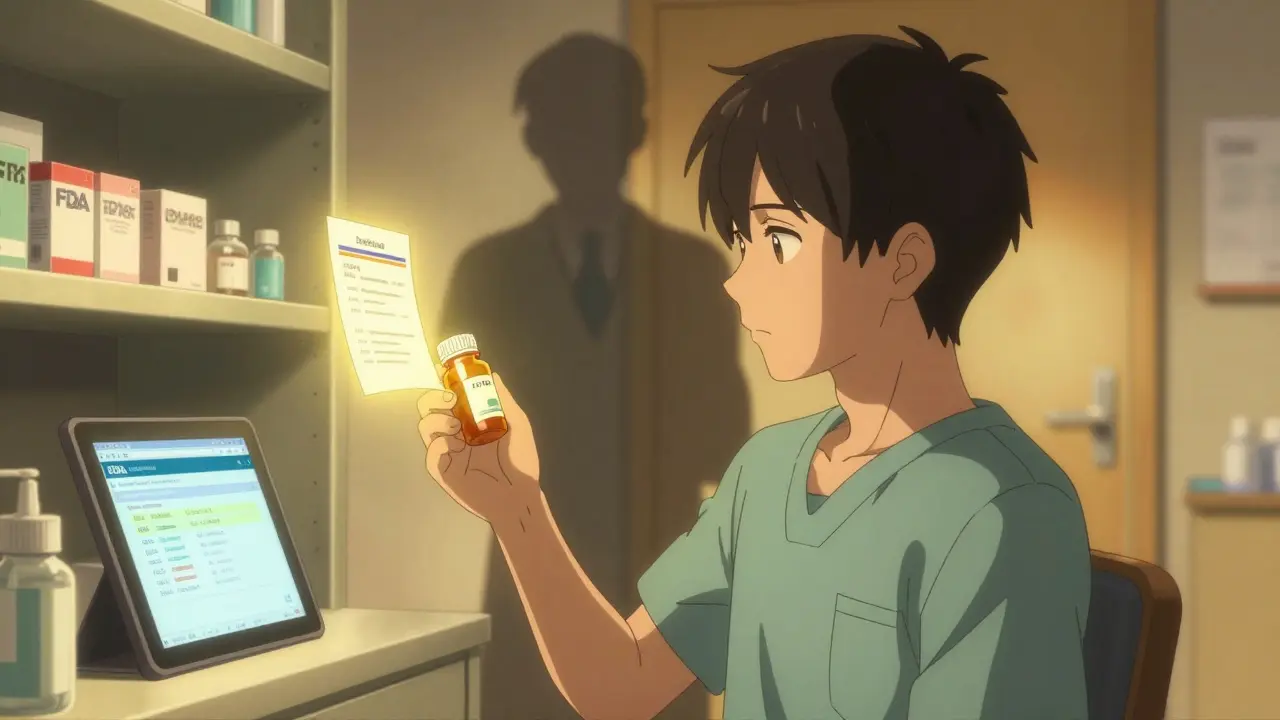
If your medication is recalled, don't panic or stop taking it. Learn the exact steps to take immediately: check your lot number, call your pharmacy, avoid flushing pills, and monitor for side effects. Stay safe with clear, actionable advice.
Read More
Boxed warnings are the FDA's strongest safety alerts for prescription drugs. Learn how these warnings change over time, which drugs are most affected, and how to track updates to avoid serious risks.
Read More© 2026. All rights reserved.