
When a drug shortage, a situation where there isn’t enough of a medication to meet patient demand. Also known as medication supply gaps, it can leave people without critical treatments for conditions like high blood pressure, diabetes, or mental health disorders. These aren’t rare glitches—they’re becoming more common, and they don’t just affect hospitals. They hit your pharmacy shelf, your wallet, and your daily routine.
Drug shortages usually start with problems in the pharmaceutical supply chain, the network of manufacturers, distributors, and regulators that get medicines from factories to patients. Most generic drugs are made overseas, and if one factory in India or China has a quality issue, the FDA can block shipments using Import Alerts, official notices that stop non-compliant drugs from entering the U.S.. Even small delays in raw material delivery or a single machine breakdown can ripple across the country. The FDA drug monitoring, the system that tracks drug safety and availability after approval. tries to catch these early, but it’s not always fast enough.
Why does this matter to you? If you take a drug like levothyroxine or warfarin, even a small switch to a different generic version can throw off your dosing. Pharmacists warn about NTI generics, narrow therapeutic index drugs where tiny differences in absorption can cause serious harm. And when a drug disappears, you might be stuck with a more expensive brand version—or worse, go without.
But you’re not powerless. Knowing which drugs are most likely to run out helps you plan ahead. Some shortages last weeks; others drag on for months. The FDA updates its public list regularly, and many patient advocacy groups track real-time availability. You can also ask your pharmacist about alternatives or check if your medication is on the FDA list of authorized generics, a database of brand-name drugs sold under generic labels, often at lower prices. Sometimes, the same pill is sold under two names—one branded, one generic—and knowing that can save you money and avoid confusion.
Behind every shortage are deeper issues: cost-cutting by manufacturers, lack of profit in generic drugs, and global dependency on a handful of suppliers. But for now, the best defense is awareness. If your medication suddenly isn’t available, don’t panic. Talk to your provider. Ask your pharmacist about alternatives. Check if a patient assistance program can help. The posts below show you exactly how others have handled these situations—whether it’s finding a substitute, applying for financial aid, or understanding why your insurance won’t cover the replacement.
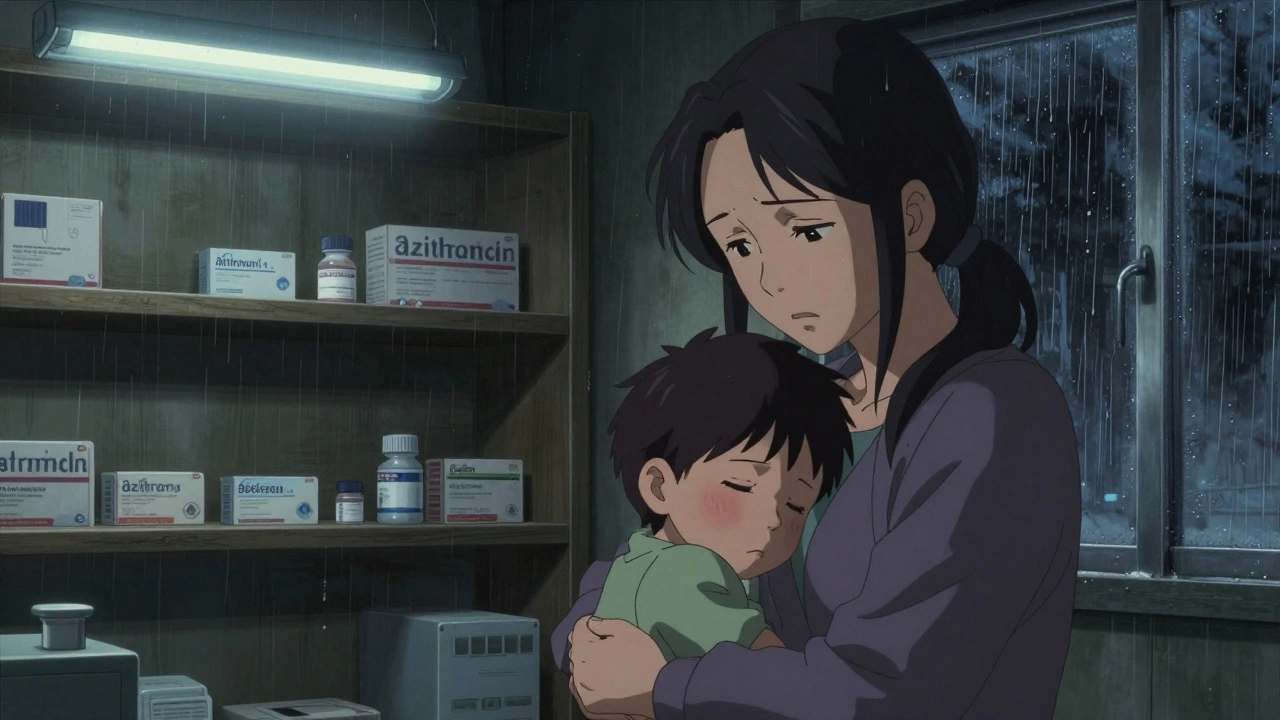
Antibiotic shortages are delaying treatment for common infections worldwide, forcing doctors to use riskier drugs or send patients home untreated. Rising resistance and broken economics are driving the crisis.
Read More© 2026. All rights reserved.