
When you hear FDA authorized generics, brand-name drugs sold under a generic label with identical active ingredients, packaging, and manufacturing standards approved by the U.S. Food and Drug Administration. Also known as authorized generics, these are the same pills your doctor originally prescribed—but often at a fraction of the cost. Unlike regular generics, which are made by different companies and may vary slightly in inactive ingredients, FDA authorized generics come straight from the original brand manufacturer or are produced under their license. That means the pill you get is physically identical to the brand version—same shape, same color, same coating, same active ingredient, same dose. No guesswork. No trade-offs.
This matters because not all generics are created equal. Some drugs, like levothyroxine, a thyroid hormone replacement used by millions to manage hypothyroidism, have a narrow therapeutic index. Tiny changes in how the body absorbs the drug can lead to serious side effects—from heart palpitations to fatigue. That’s why pharmacists warn about switching between different generic versions of these drugs. But with FDA authorized generics, you’re getting the exact same product the brand company makes, just without the brand name. It’s the same factory, same formula, same quality control. And because they’re sold under a generic label, insurance plans and pharmacies often price them lower than the brand version.
Another key player here is bioequivalence, the scientific standard that proves a generic drug performs the same way in the body as the brand version. The FDA requires all generics to meet strict bioequivalence rules, but authorized generics bypass even that testing—they’re literally the same drug. That’s why they’re trusted by hospitals, long-term care facilities, and patients who’ve had bad experiences with inconsistent generic results. You don’t need to worry about dissolution profiles, f2 scores, or absorption rates. If it’s labeled as an FDA authorized generic, it’s the brand drug in disguise.
What you’ll find in the posts below is a clear picture of how these drugs fit into real-world care. You’ll see how pharmacists raise red flags about NTI generics like warfarin and levothyroxine, why dissolving the same pill in water doesn’t always mean it works the same, and how insurance plans push generics to cut costs—even when it might not be the safest move. There are stories from people who switched and felt different, and experts explaining why some patients need the exact same pill every time. You’ll also learn how to ask your pharmacist if your generic is an FDA authorized one, and what to do if your insurance won’t cover it. This isn’t about theory. It’s about the pills in your medicine cabinet—and whether they’re truly doing what they’re supposed to do.
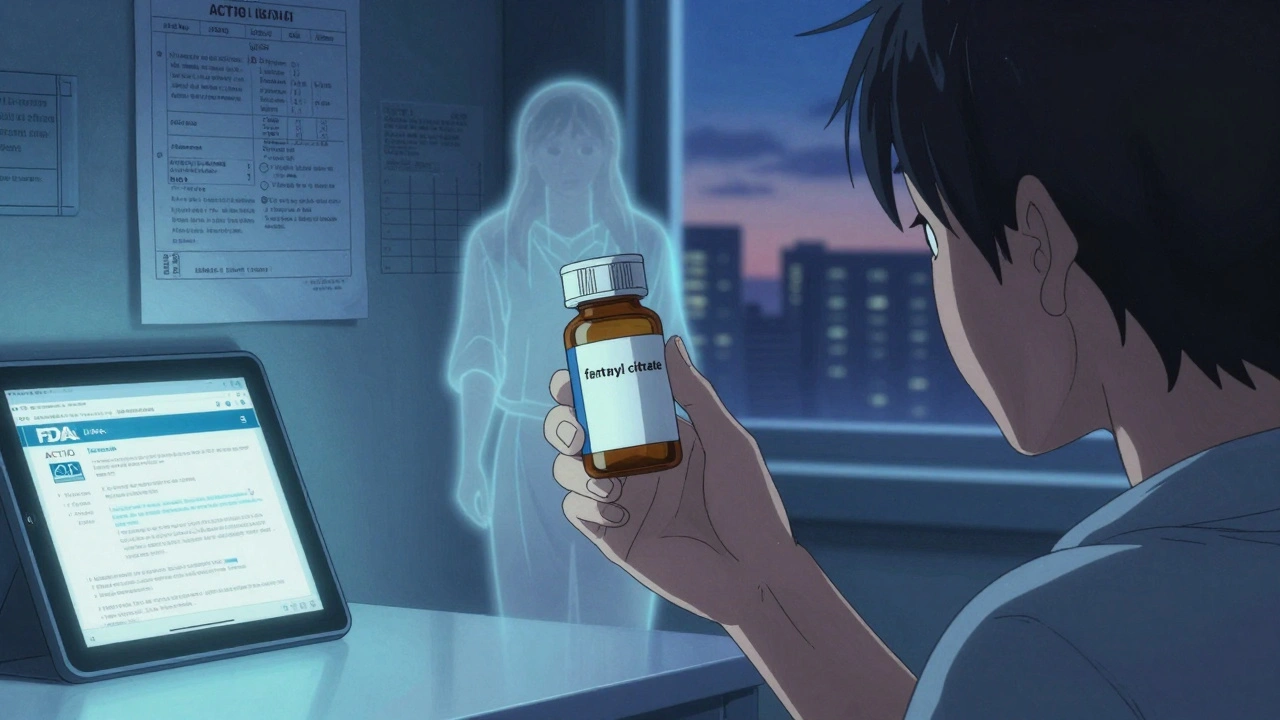
Learn where to find the FDA's official list of authorized generics, how to use it to save on prescriptions, and why it often doesn't tell you if a drug is actually available. Get practical steps to find real savings.
Read More© 2026. All rights reserved.