
When your doctor writes a prescription, generic substitution, the practice of replacing a brand-name drug with a chemically identical generic version. Also known as drug interchangeability, it’s one of the simplest ways to cut your out-of-pocket costs without losing effectiveness. The FDA requires generics to have the same active ingredient, strength, dosage form, and route of administration as the brand-name version. They must also meet the same strict manufacturing standards. That means a generic pill isn’t a cheaper copy—it’s the same medicine, just without the marketing budget.
Generic substitution isn’t just about price. It’s built into how health plans work. Insurance companies use tiered formularies, a system that places generic drugs in the lowest cost tier to push patients toward savings. Many plans even require you to try a generic first before covering the brand name—a process called step therapy. But here’s the catch: not all substitutions are automatic. Some pharmacies will swap the drug without asking. Others need your permission. That’s why knowing your rights matters. If you’re switched to a generic and notice a change in how you feel, talk to your provider. It’s rare, but differences in inactive ingredients can affect people with sensitivities.
Behind every generic drug is a complex system of testing. dissolution profile comparison, a scientific method that checks how quickly a generic pill breaks down in the body ensures it releases the active ingredient at the same rate as the brand. If it doesn’t pass, it doesn’t get approved. This isn’t guesswork—it’s regulated science. And it’s why millions of Americans safely use generics every day. From blood pressure pills to antibiotics, generics make chronic disease management affordable. One study found that switching to generics saved U.S. patients over $300 billion in a single year.
But generic substitution doesn’t happen in a vacuum. It’s tied to how drugs are made, shipped, and tracked. In countries like India, which produces Indian generic drugs, low-cost, high-volume medications used worldwide, manufacturing scale drives down prices even further. The FDA monitors these imports closely through tools like Import Alerts, a system that blocks drugs from factories that don’t meet U.S. safety rules. That’s why a generic pill bought in the U.S. is held to the same standard as the brand name—no matter where it was made.
So when you see a generic on your receipt, don’t assume it’s second-rate. It’s the result of decades of regulatory rigor, global supply chains, and smart policy. The real question isn’t whether generics work—it’s why more people don’t ask for them. If you’re paying full price for a brand-name drug, you’re likely overpaying. Ask your pharmacist: "Is there a generic version?" And if your insurance won’t cover it without a prior authorization, push back. Your wallet—and your health—will thank you.
Below, you’ll find real-world guides on how to switch safely, spot hidden costs, compare alternatives, and understand the science that keeps generics reliable. Whether you’re managing high blood pressure, diabetes, or just trying to stretch your budget, these posts give you the tools to make smarter choices without guessing.

Should you stick with brand-name NTI drugs or switch to generics? Learn how small differences in blood levels can affect life-threatening medications like levothyroxine and warfarin - and what you need to do to stay safe.
Read More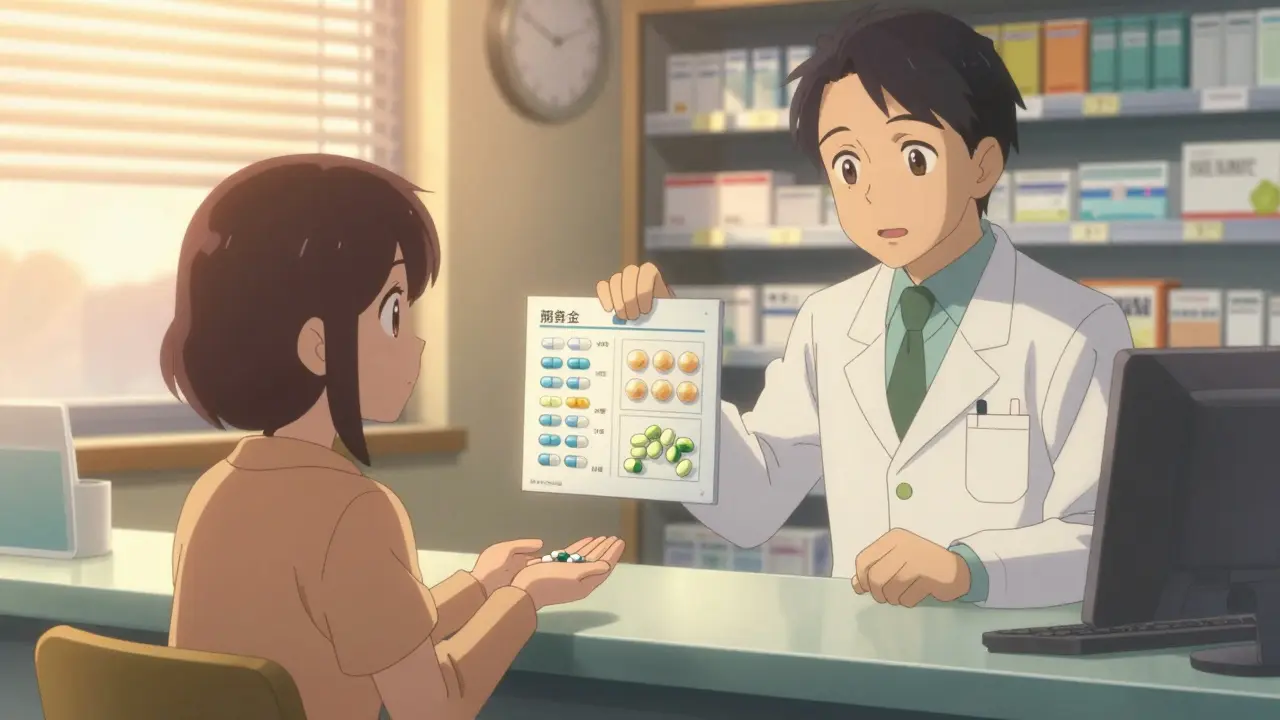
Switching to generic drugs saves money but can raise concerns about effectiveness. Learn how to talk to your pharmacist during transitions, spot potential issues, and ensure your medication works just as well.
Read More
Pharmacists are raising red flags about NTI generics like warfarin and levothyroxine, where tiny differences in absorption can cause serious harm. Learn why substitution risks are rising and what patients and providers need to know.
Read More© 2026. All rights reserved.