
When you take a generic pill for high blood pressure, diabetes, or an infection, there’s a good chance it came from India pharmacy of the world, a global leader in producing affordable, FDA-approved generic medications. Also known as the global generic drug hub, India supplies more than 20% of all generic medicines used in the U.S. and over 50% of the vaccines distributed worldwide. This isn’t luck—it’s the result of decades of focused manufacturing, strict quality controls, and a business model built on volume and efficiency.
Behind this scale are Indian pharmaceutical companies, large-scale manufacturers that produce everything from antibiotics to heart meds at a fraction of the cost. Companies like Sun Pharma, Dr. Reddy’s, and Cipla don’t just copy brand-name drugs—they reverse-engineer them, optimize production, and pass the savings to patients. But it’s not just about price. These companies must meet the same standards as U.S. and EU labs. That’s why the FDA, the U.S. agency that inspects and approves foreign drug makers sends inspectors to Indian factories more than any other country. When the FDA issues an Import Alert, a ban on shipments from non-compliant plants, it’s often targeting Indian facilities. That’s how seriously compliance is taken.
What makes Indian generics work isn’t magic—it’s science. Every batch must match the brand-name drug in how fast it dissolves, how much active ingredient it contains, and how the body absorbs it. That’s why you’ll find articles here on dissolution profile comparison, bioequivalence, and how the FDA checks these things. It’s also why some patients notice differences—sometimes it’s the filler, not the medicine. That’s why understanding generic medications and how they’re made matters. You’re not just saving money—you’re trusting a system that’s been tested across millions of prescriptions.
But this system isn’t perfect. Supply chains get disrupted. Some plants cut corners. That’s why tracking boxed warning changes and knowing which non-compliant drug manufacturers have been flagged matters. The same drugs you get in your local pharmacy might be made in the same factory as those that got detained by the FDA last year. The difference? One passed inspection. The other didn’t.
What you’ll find below is a collection of real, practical guides that connect the dots between Indian drug production and your medicine cabinet. From how phosphate binders and beta blockers made in India compare to brand names, to how insurance benefit design pushes you toward these generics, to how drug import enforcement keeps unsafe products off shelves—this isn’t theory. It’s what’s in your pill bottle, why it costs what it does, and who made sure it’s safe to take.
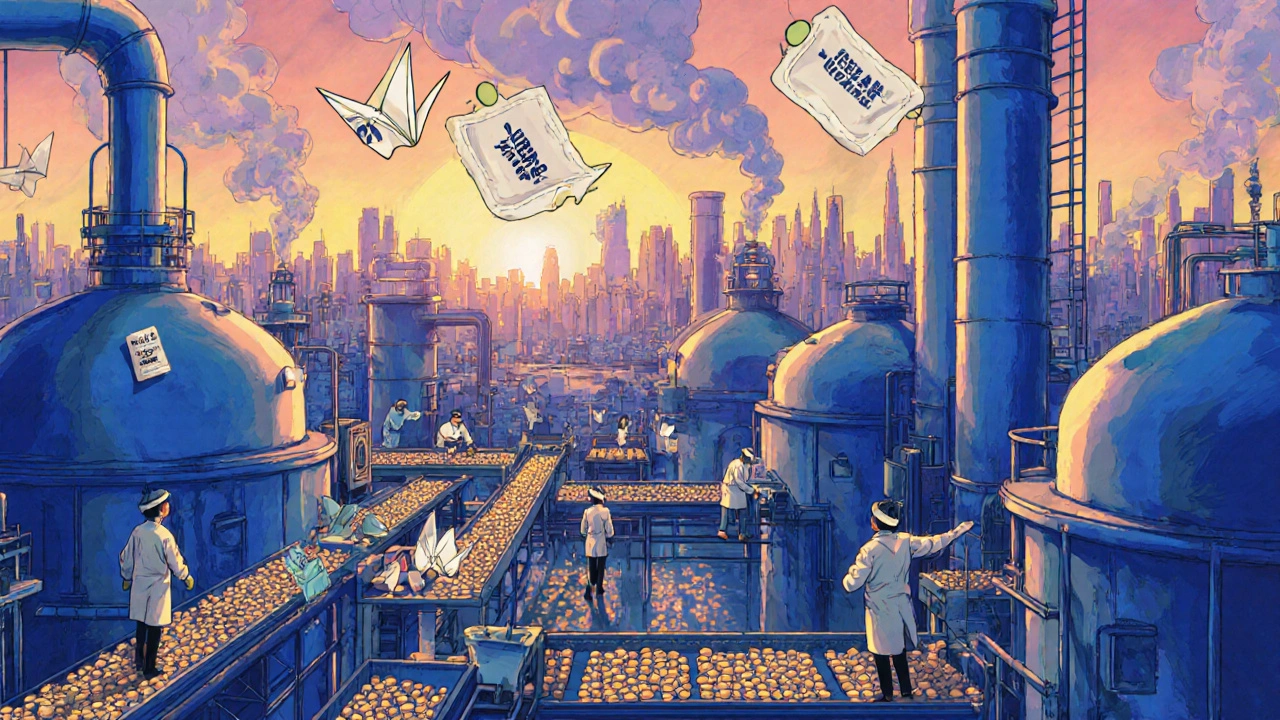
India produces 20% of the world's generic drugs and over 60% of its vaccines. Known as the 'pharmacy of the world,' Indian manufacturers supply affordable, high-quality medicines to the U.S., UK, Africa, and beyond.
Read More© 2026. All rights reserved.