
When you need a medication but can’t afford it, medication grants, financial assistance programs offered by drug manufacturers, nonprofits, or government agencies to help people pay for prescriptions. Also known as patient assistance programs, these grants aren’t loans—they’re free support for those who qualify. Many people don’t know they exist, or think they’re only for the very poor. But even if you have insurance, high deductibles or copays can leave you stuck. A single month’s supply of insulin, blood pressure meds, or thyroid medication can cost hundreds. That’s where these programs step in.
These grants aren’t random gifts. They’re tied to specific rules: income limits, insurance status, U.S. residency, and sometimes the exact drug you’re taking. For example, if you’re on lithium, a mood stabilizer used for bipolar disorder that can be expensive and requires regular blood tests, you might qualify for help through the manufacturer’s program. Same goes for warfarin, a blood thinner with narrow therapeutic index where even small price changes affect adherence. These aren’t just about cost—they’re about safety. Skipping doses because you can’t pay leads to hospital visits, which cost way more.
Most grants come from drugmakers themselves. Companies like Pfizer, Merck, and Novo Nordisk run programs for their brand-name drugs, even after generics are available. Nonprofits like NeedyMeds and the Patient Access Network Foundation help you find and apply. You don’t need a social worker—many applications take under 15 minutes online. Some require proof of income or a doctor’s signature, but most don’t ask for tax returns or credit checks. And yes, you can get help even if you’re employed. Many programs set income limits at 400% of the federal poverty level, which is higher than most people think.
These programs aren’t perfect. Some drugs aren’t covered. Some require reapplication every year. Others only help with brand names, even when generics are cheaper. But they work. Thousands of people use them to stay on life-saving meds. And if you’re reading this, you’re already ahead—because knowing these options exist is the first step. Below, you’ll find real stories and practical guides from people who’ve navigated this system: how to find the right grant, what paperwork to expect, and how to avoid the traps that leave people empty-handed. No fluff. Just what you need to get your meds without going broke.
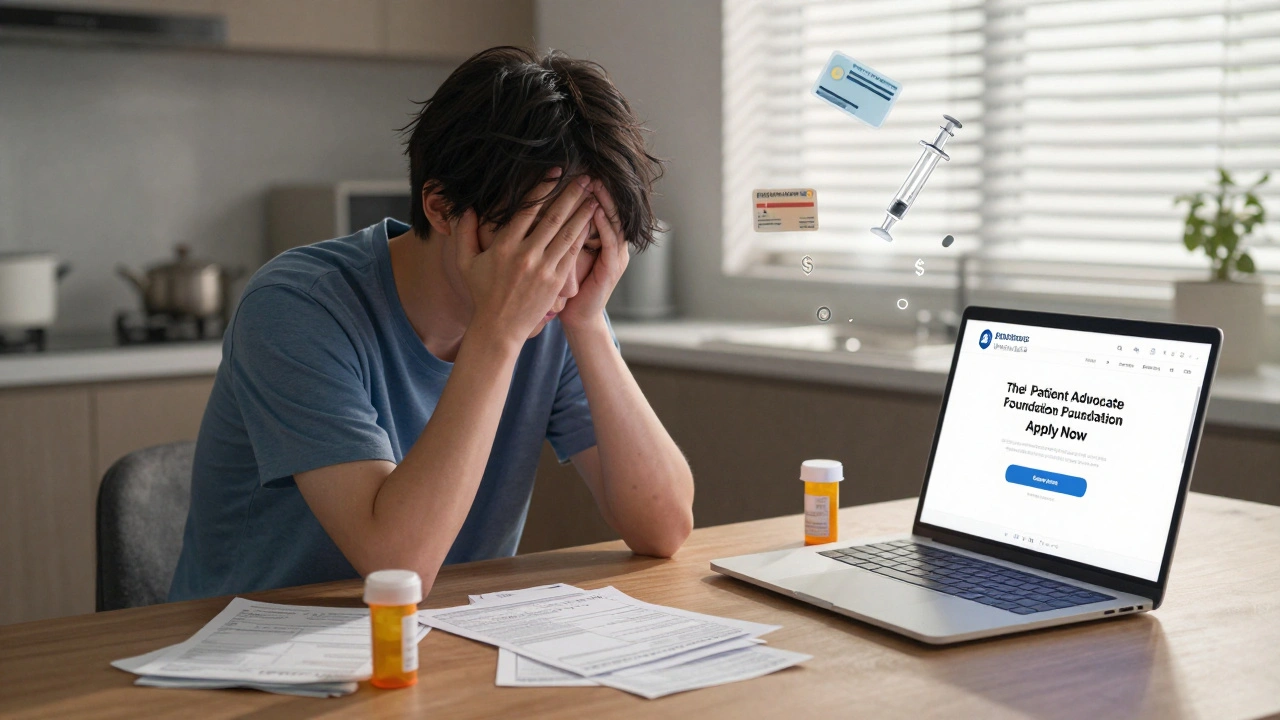
Learn how to apply for medication grants through patient advocacy foundations like the Patient Advocate Foundation. Get step-by-step guidance on eligibility, application, and funding limits to afford life-saving prescriptions.
Read More© 2026. All rights reserved.