
When you need a prescription, the price shouldn’t be a barrier to getting better. Prescription assistance, programs and resources designed to help people afford necessary medications. Also known as drug assistance programs, these options are available through manufacturers, nonprofits, and government agencies—and they’re often easier to access than you think. Many people assume they don’t qualify because they have insurance, but even with coverage, copays for brand-name drugs can hit hundreds a month. That’s where generic drugs, medications that work exactly like brand-name versions but cost up to 85% less come in. The FDA requires them to meet the same safety and effectiveness standards, yet most patients don’t even ask for them.
One big reason people overpay is confusion about how insurance works. Pharmacy benefit managers, companies that manage drug benefits for insurers often push expensive brand-name drugs first, even when cheaper generics exist. They do this because they get kickbacks from drug makers. But you can fight back. Always ask your pharmacist: "Is there a generic?" and check the FDA list of authorized generics, the official database of drugs that are identical to brand-name versions, made by the same company. These aren’t just cheaper—they’re often the exact same pills in different packaging. Skip the middleman and save big.
It’s not just about generics. If your drug isn’t available as one, or if you’re on a high-deductible plan, look into prescription assistance programs directly from drug manufacturers. Companies like Pfizer, Merck, and AbbVie offer free or low-cost meds to people who meet income limits. You don’t need to be poor—many programs accept people earning up to 500% of the federal poverty level. Community health centers and nonprofits like NeedyMeds and RxAssist can help you apply in minutes. And don’t forget: some pharmacies like Walmart and Costco sell common generics for under $5 a month. No coupon needed.
What you’re seeing in these posts isn’t random. Each article ties back to real ways people are saving money, avoiding harm, and understanding their meds better. From how to spot dangerous generic substitutions to why your pharmacist might be warning you about a drug you didn’t even know was risky—this collection gives you the tools to take control. You’ll learn how to read your insurance formulary, when to switch meds safely, and how to avoid being charged full price when you shouldn’t be. These aren’t theory pieces. They’re field guides written by people who’ve been there—facing high bills, confusing labels, and scared to ask for help. Now you know what to look for, who to talk to, and how to make sure your prescriptions don’t break your budget.
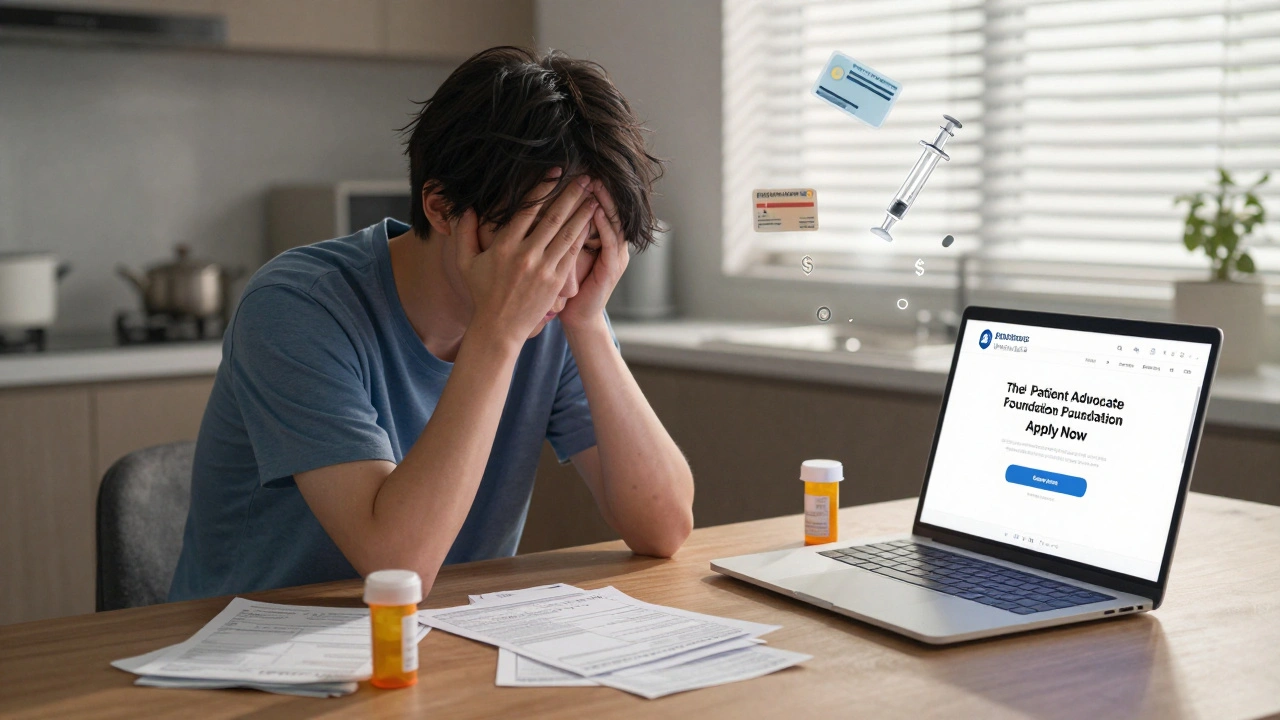
Learn how to apply for medication grants through patient advocacy foundations like the Patient Advocate Foundation. Get step-by-step guidance on eligibility, application, and funding limits to afford life-saving prescriptions.
Read More© 2026. All rights reserved.