
When someone experiences psychosis, a break from reality that can include hallucinations, delusions, or disorganized thinking. Also known as psychotic episode, it’s not a diagnosis itself—but a symptom that can come from schizophrenia, bipolar disorder, severe depression, drug use, or even extreme stress. Many people assume psychosis means someone is "crazy" or dangerous, but the truth is far more human: it’s a brain signal that something is off, and it can be treated.
Antipsychotic medications, the first-line treatment for psychosis, work by balancing dopamine and other brain chemicals. Also known as neuroleptics, they come in pills, liquids, or long-acting injections. But they’re not magic bullets. Some work better for certain people, and side effects like weight gain, drowsiness, or movement issues can make adherence hard. That’s why treatment isn’t just about pills—it’s about matching the right drug to the person, monitoring closely, and adjusting as needed. Schizophrenia, a chronic condition often involving psychosis, requires long-term management. And bipolar disorder, where psychosis can appear during manic or depressive episodes, needs mood stabilizers alongside antipsychotics. Both conditions benefit from early intervention, but too many people wait until crisis hits before seeking help.
Psychosis treatment also includes therapy—especially cognitive behavioral therapy for psychosis (CBTp), which helps people question strange beliefs without fighting them. Family support matters too. When loved ones learn how to respond calmly and encourage medication adherence, relapse rates drop. And for those who’ve had bad experiences with the system, peer support groups can rebuild trust. What’s missing from most advice? The reality that recovery isn’t linear. Some people need meds for years. Others find they can taper off safely. It depends on the cause, the person, and the support around them.
There’s no single path out of psychosis, but there are proven steps. Start with a proper diagnosis—don’t assume it’s just stress or sleep deprivation. Talk to a psychiatrist who specializes in early psychosis. Ask about side effects before starting any drug. Track your symptoms, even small ones. And if you’re helping someone, don’t push them to "snap out of it." Listen. Be patient. Keep showing up.
Below, you’ll find real, practical guides from people who’ve been there—whether it’s managing medication schedules, understanding how lithium interacts with common painkillers, or learning how dual diagnosis care helps those with both psychosis and substance use. These aren’t theory pieces. They’re tools.
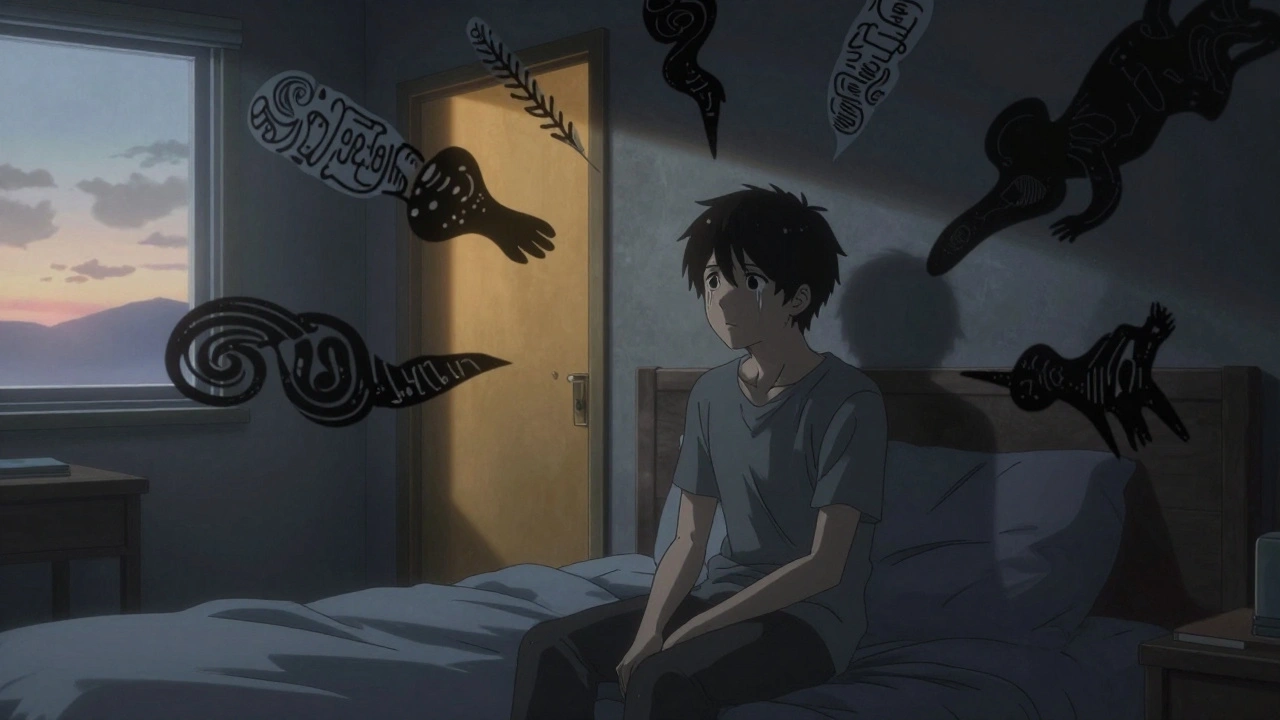
First-episode psychosis is treatable - but only if caught early. Learn how coordinated specialty care and family support can restore lives, reduce relapse, and help people return to work, school, and independence.
Read More© 2026. All rights reserved.