
When you skip doses, intentionally or accidentally missing a scheduled medication dose. Also known as medication non-adherence, it’s one of the most common—and dangerous—mistakes people make with prescriptions. It’s not just about forgetting your pill. For some drugs, even one missed dose can throw off your whole treatment. Think warfarin, where a skipped pill might mean a blood clot. Or lithium, where missing a dose can trigger a dangerous spike in levels when you take the next one. This isn’t theoretical. Real people end up in the ER because they thought skipping a dose was harmless.
Why does this happen? Sometimes it’s cost—people skip doses because they can’t afford the next refill. Other times, it’s confusion: "I felt fine today, so maybe I don’t need it." Or fear: "I heard this drug causes weight gain, so I’ll just stop." But the truth is, most medications don’t work like a light switch. They need steady levels in your blood to do their job. Drug interactions, when one medication affects how another works in your body make this even riskier. For example, if you skip your levothyroxine dose and then take it with calcium or iron later, your body absorbs almost nothing. That’s not just ineffective—it’s misleading. You think it’s working because you took the pill, but your thyroid levels are still crashing.
Medication adherence, how consistently you take your drugs as prescribed isn’t about being perfect. It’s about building habits that keep you safe. A study from the CDC found that people who miss more than 20% of their doses for chronic conditions like high blood pressure or diabetes have a 50% higher chance of hospitalization. That’s not a small risk. And it’s not just about pills. Supplements, inhalers, insulin pens—all need consistency. Even if you’re only skipping one dose a week, that’s over 50 doses a year. For some drugs, that’s enough to cause harm.
What you’ll find in these posts isn’t a lecture on responsibility. It’s real advice from people who’ve been there. You’ll see how pharmacists spot missed doses in refill patterns. How patients track their meds with simple tools. How certain drugs—like NTI generics—are extra sensitive to timing. And how skipping doses can trigger side effects you didn’t even know were possible. This isn’t about guilt. It’s about awareness. If you’ve ever skipped a dose because you felt fine, thought it was "not that important," or didn’t want to deal with the hassle—you’re not alone. But now you know what’s really at stake.
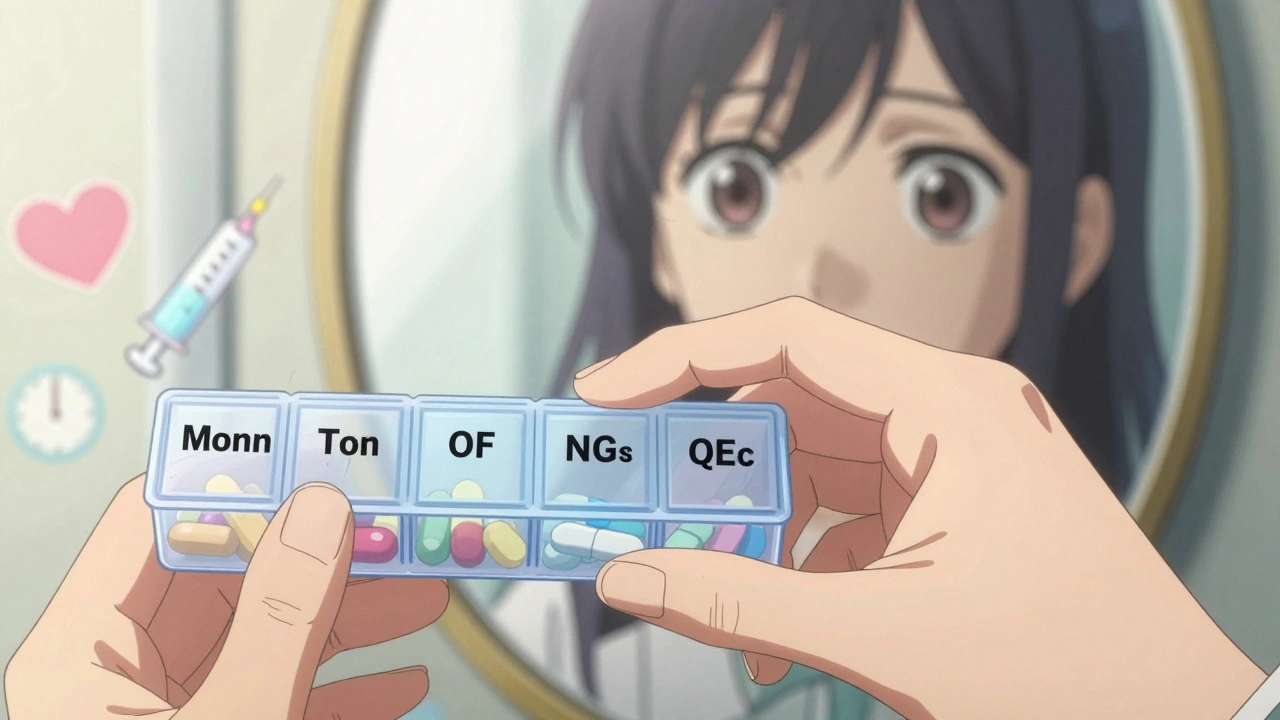
Skipping prescription doses can lead to serious health risks, from antibiotic resistance to life-threatening blood pressure spikes. Learn why timing matters, how to stay on track, and what to do if you miss a pill.
Read More© 2026. All rights reserved.