
When you pick up a prescription, you expect it to be safe, effective, and real. That’s where track and trace, a system that follows a drug’s journey from manufacturer to patient. Also known as pharmaceutical serialization, it’s not just a tech buzzword—it’s a safety net built into every bottle, box, and blister pack you use. Without it, fake or contaminated drugs could slip through the system. And it’s not just about fraud. Track and trace helps recall dangerous products fast, spot distribution errors, and make sure the medicine you get is the one your doctor prescribed.
Behind the scenes, this system uses unique serial numbers, barcodes, and digital records to log every step: where the drug was made, who shipped it, which warehouse stored it, and which pharmacy sold it. The FDA, the U.S. agency that regulates drugs and enforces safety standards requires this for most prescription meds. The EMA, Europe’s equivalent drug regulator has similar rules. These aren’t optional checks—they’re legal requirements backed by real-world data. For example, when a boxed warning is updated on a drug label, track and trace helps identify exactly which batches might be affected and who received them. That’s how a potential overdose or dangerous interaction gets contained before it spreads.
It’s not just about big pharma. This system protects you at the pharmacy counter. If a batch of metoprolol or amoxicillin turns out to be contaminated, track and trace finds every single pill in circulation. It stops early refills and duplicate therapy mistakes by linking prescriptions to real inventory. Even when you’re traveling with phosphate binders like sevelamer or storing fludrocortisone in hot weather, track and trace ensures the product you’re holding hasn’t been tampered with or exposed to unsafe conditions. This isn’t science fiction—it’s happening right now, every day, in every pharmacy that follows the law.
What you’ll find below are real guides that show how these systems impact your health. From how FDA label updates are tracked to why generic drugs must match brand-name dissolution profiles, every article here ties back to one thing: making sure what you take is safe, accurate, and exactly what it claims to be. No fluff. Just the facts that keep your family protected.
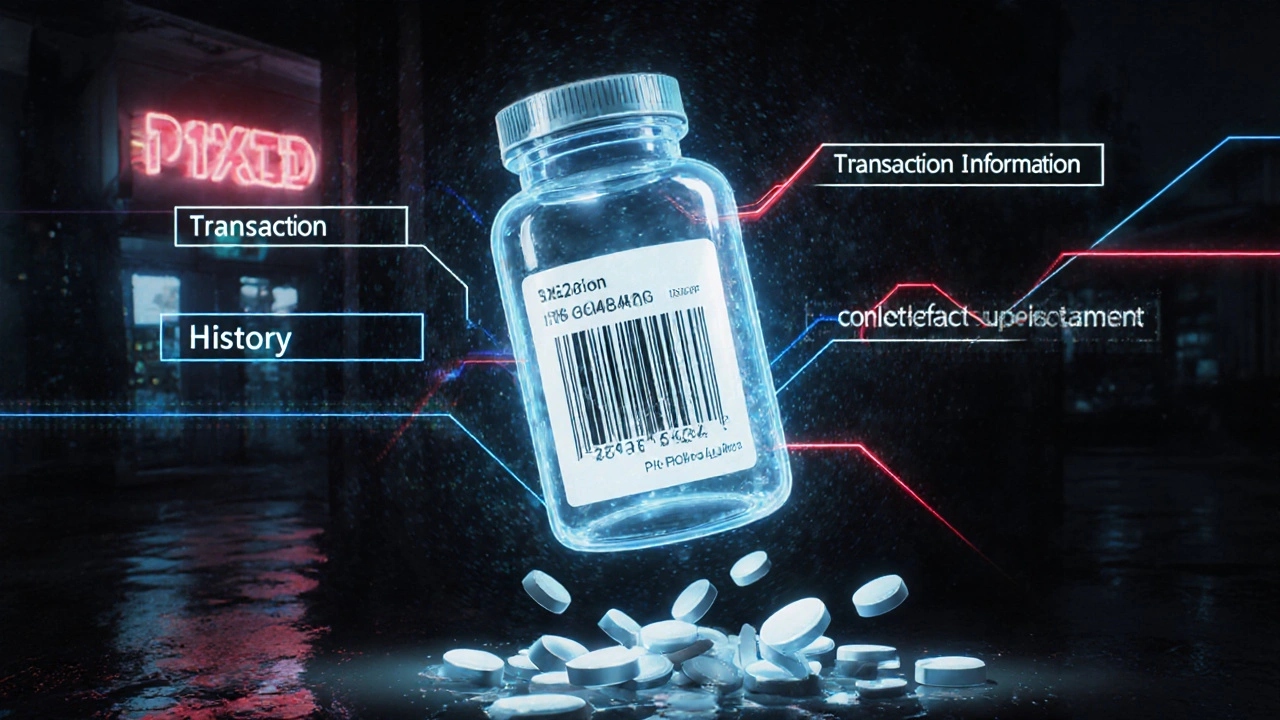
The DSCSA track-and-trace system is the U.S. government's federal solution to stop counterfeit drugs by requiring every prescription package to have a unique digital identifier. Learn how it works, who must comply, and why it matters for patient safety.
Read More© 2026. All rights reserved.