

Imagery Rehearsal Therapy (IRT) is a proven, drug-free method to stop PTSD nightmares by rewriting them in your mind. Learn how it works, why it beats medication, and how to start today.
Read More
The FDA uses Import Alerts to automatically block drugs from non-compliant manufacturers. Learn how the Green List works, why shipments get detained, and what it takes to comply with U.S. drug safety rules.
Read More
A low-sodium diet and proper fluid balance are proven first-line treatments for Meniere’s disease. Cutting salt to 1,500 mg/day and drinking 35 ml/kg of water daily can reduce vertigo, improve hearing, and ease tinnitus-without drugs or surgery.
Read More
Hepatitis A is a short-term liver infection that causes fatigue, jaundice, and nausea. It’s preventable with a vaccine, and most people recover fully within 2 to 6 months. Learn how it spreads, how long recovery takes, and how to protect yourself.
Read More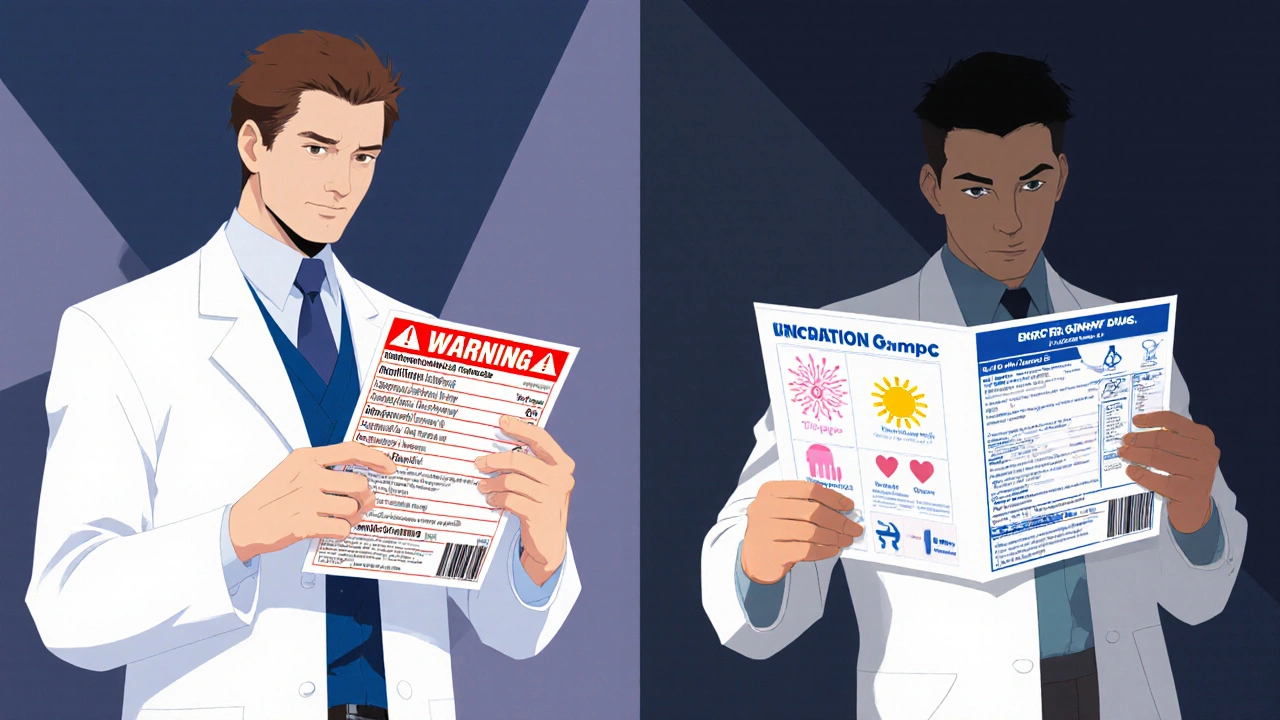
EMA and FDA drug labeling differ significantly in scope, wording, and requirements-impacting how drugs are prescribed, used, and approved across the U.S. and EU. Key differences include patient-reported outcomes, pregnancy warnings, language rules, and risk management systems.
Read More
The DSCSA track-and-trace system is the U.S. government's federal solution to stop counterfeit drugs by requiring every prescription package to have a unique digital identifier. Learn how it works, who must comply, and why it matters for patient safety.
Read More
Menthol makes nicotine addiction stronger and quitting harder by enhancing cravings and masking the harshness of smoke. Learn how it affects your brain and what actually works to quit.
Read More
Boxed warnings are the FDA's strongest safety alerts for prescription drugs. Learn how these warnings change over time, which drugs are most affected, and how to track updates to avoid serious risks.
Read More
Compare Ranol SR (Propranolol) with cheaper, safer alternatives like atenolol, metoprolol, amlodipine, and losartan. Learn which works best for high blood pressure, heart rhythm, or anxiety - and how to switch safely.
Read More
Compare PhosLo (calcium acetate) with other phosphate binders like sevelamer, lanthanum, and ferric citrate. Learn which is best for kidney patients based on cost, side effects, and lab results.
Read More
Learn how pharmacists and healthcare providers can prevent dangerous early refills and duplicate therapy mistakes that lead to overdose, addiction, and harmful drug interactions. Practical steps, tech tools, and real-world examples.
Read More
Health plans use tiered formularies, mandatory substitutions, and step therapy to steer patients toward generic drugs, saving billions. But hidden pricing practices mean patients often don’t see the full savings.
Read More© 2026. All rights reserved.