
When your stomach lining gets inflamed, you’re dealing with gastritis, inflammation of the stomach lining that can cause burning pain, nausea, and bloating. It’s not just "an upset stomach"—it’s a real condition that affects millions, often quietly, until it flares up. Many people assume it’s from stress or spicy food, but the real culprits are often hidden: H. pylori, a bacterial infection that lives in the stomach and is the leading cause of chronic gastritis, or daily use of common painkillers like ibuprofen and aspirin. These drugs, known as NSAIDs, nonsteroidal anti-inflammatory drugs that block protective stomach mucus, wear down your stomach’s natural defenses over time.
Gastritis doesn’t always come with obvious symptoms. Some people feel nothing until they bleed internally. Others get constant bloating, early fullness after meals, or a dull ache that gets worse after eating. It’s also closely linked to acid reflux, a condition where stomach acid flows back into the esophagus, irritating both the throat and stomach lining. The two often feed each other: acid reflux worsens gastritis, and inflamed stomach tissue produces more acid. What you take for heartburn—antacids, PPIs—might mask the problem without fixing the root cause. And if you’re taking multiple medications, especially for blood pressure or arthritis, you might not realize they’re adding fuel to the fire.
What you eat matters, but it’s not about avoiding spicy food alone. It’s about cutting out the things that irritate an already damaged lining: alcohol, caffeine, processed meats, and acidic drinks like soda. Some people find relief by switching from NSAIDs to acetaminophen, but even that isn’t always safe if you have liver issues. The real fix often requires testing—for H. pylori, for autoimmune conditions, for bile reflux—and then treating the actual trigger, not just the pain. This isn’t a one-size-fits-all condition. One person’s cure is another person’s trigger.
The posts below give you real, practical ways to understand what’s going on inside your stomach. You’ll find how to talk to your provider about your meds without sounding like you’re guessing, what tests actually matter, how to spot when gastritis is turning serious, and how to avoid common mistakes that make it worse. No fluff. No myths. Just what works—and what to watch out for.
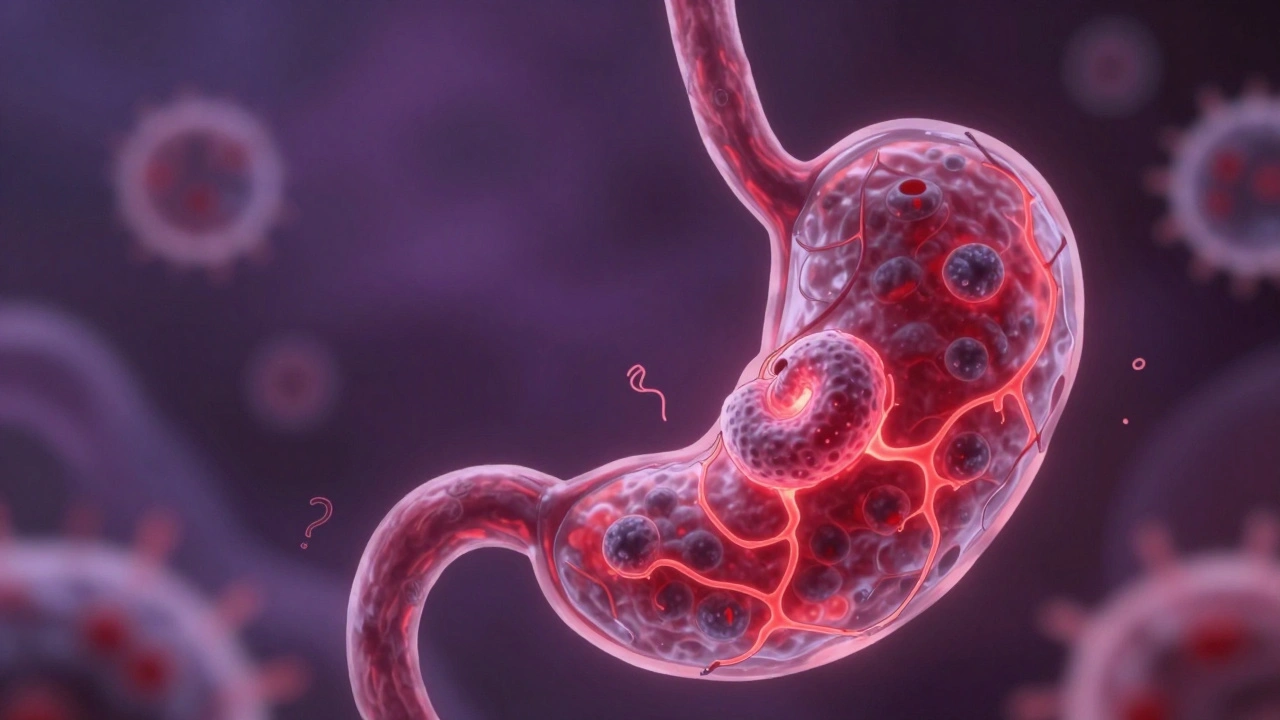
Gastritis is stomach lining inflammation, often caused by H. pylori bacteria. Learn how it’s diagnosed, treated with antibiotics and acid blockers, and why proper treatment prevents ulcers and cancer.
Read More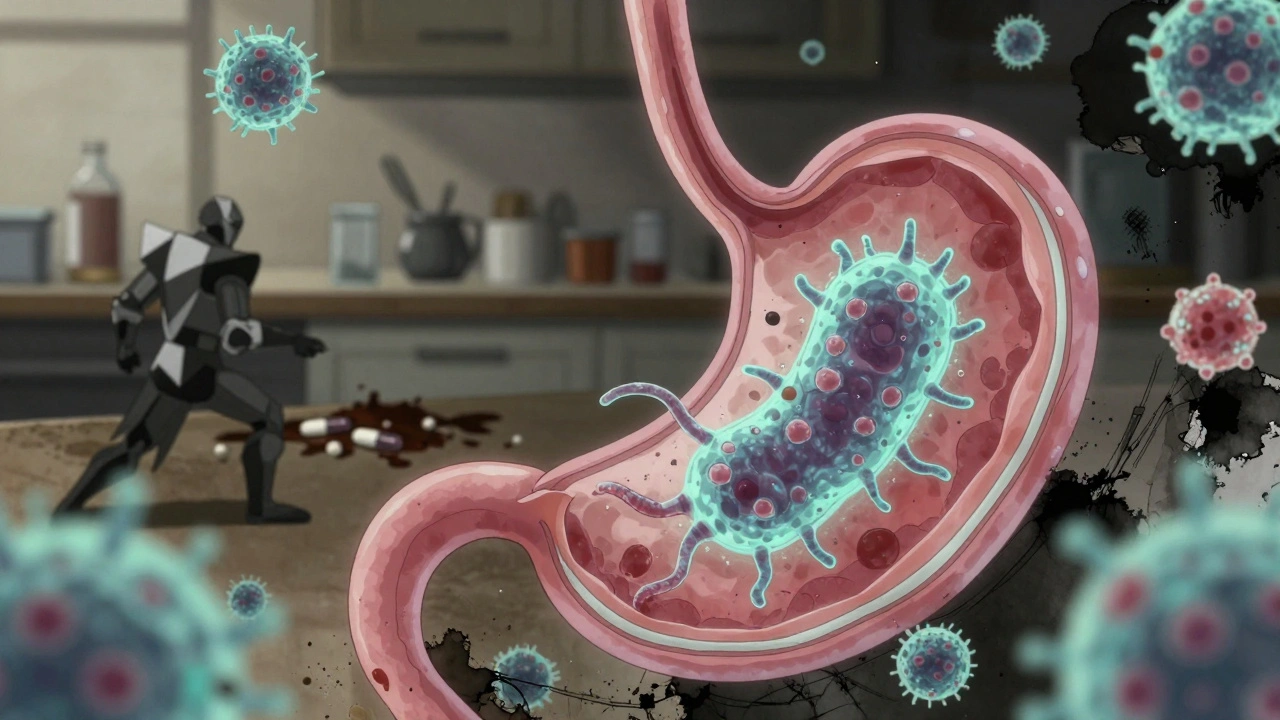
Gastritis is stomach lining inflammation, often caused by H. pylori bacteria. Learn how it's diagnosed, treated with antibiotics and acid blockers, and why lifestyle changes matter for long-term healing.
Read More© 2026. All rights reserved.