
When your stomach feels like it’s on fire, especially after eating, you might be dealing with gastritis, inflammation of the stomach lining that can cause persistent discomfort and digestive issues. It’s not just ‘a bad stomach’—it’s a real condition that affects millions, often ignored until it gets worse. Gastritis can be sudden (acute) or linger for months (chronic), and its symptoms are easy to mistake for simple indigestion. But if you’re regularly feeling that burning sensation behind your breastbone, bloated after small meals, or throwing up without knowing why, it’s not normal.
Common signs include a dull or sharp pain in the upper belly, feeling full too fast, loss of appetite, and frequent burping. Some people get nauseous or even vomit—sometimes with blood, which is a red flag. Others notice dark, tarry stools, which can mean internal bleeding. You might also feel like you’re constantly gassy or have a metallic taste in your mouth. These aren’t just annoyances; they’re your body telling you something’s wrong with the lining of your stomach. H. pylori infection, a common bacterial cause of chronic gastritis is behind many cases, and it’s treatable with antibiotics. NSAIDs, like ibuprofen or aspirin, are another major trigger—they wear down the stomach’s natural defenses. Even heavy alcohol use or chronic stress can set it off.
What makes gastritis tricky is that some people have no symptoms at all, especially in the early stages. Others feel it so badly they can’t sleep or eat. The key is recognizing patterns: Does your pain get worse after spicy food? Does it improve when you skip coffee? Are you taking painkillers daily? These clues help doctors figure out what’s causing it. You don’t need to wait until you’re in agony to act. If you’ve had these symptoms for more than a week, or if they’re getting worse, it’s time to get checked. The good news? Most cases respond well to simple changes—cutting out irritants, adjusting meds, or taking acid reducers. The posts below cover real cases, treatment options, and how to talk to your doctor about your symptoms without sounding like you’re making it up. You’ll find practical advice on what to track, what to avoid, and how to know if it’s something more serious than just a bad meal.
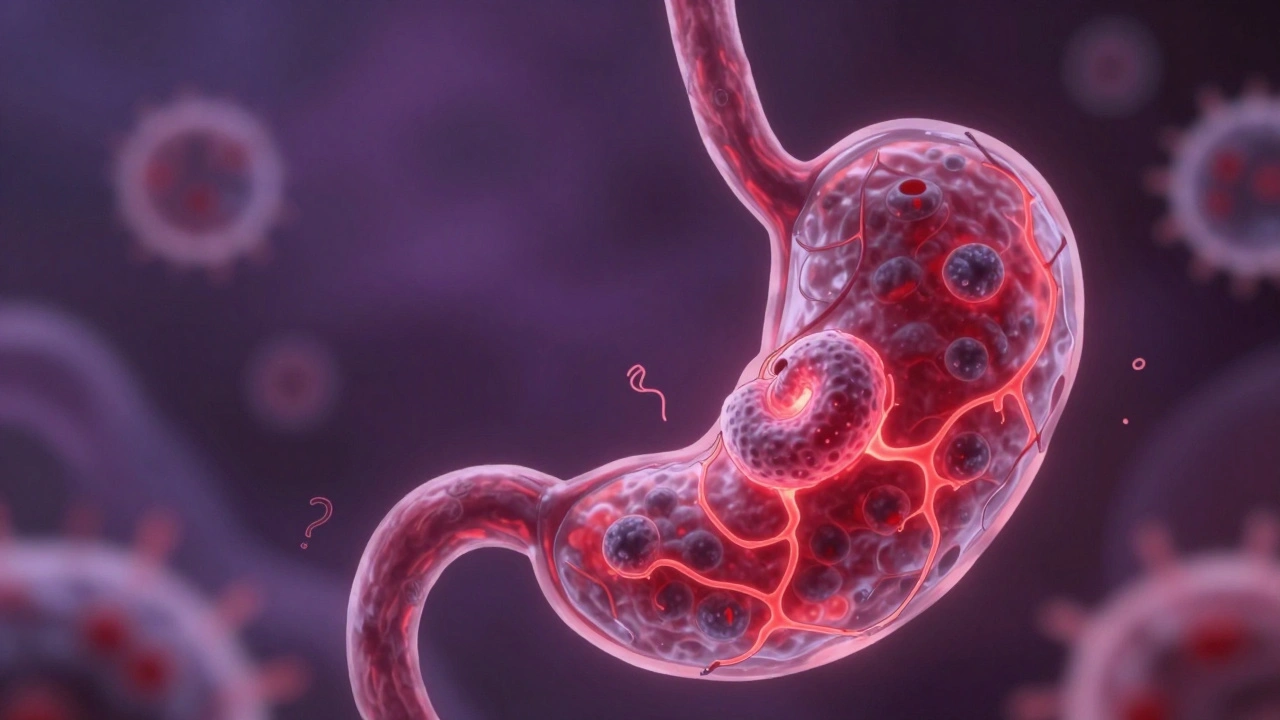
Gastritis is stomach lining inflammation, often caused by H. pylori bacteria. Learn how it’s diagnosed, treated with antibiotics and acid blockers, and why proper treatment prevents ulcers and cancer.
Read More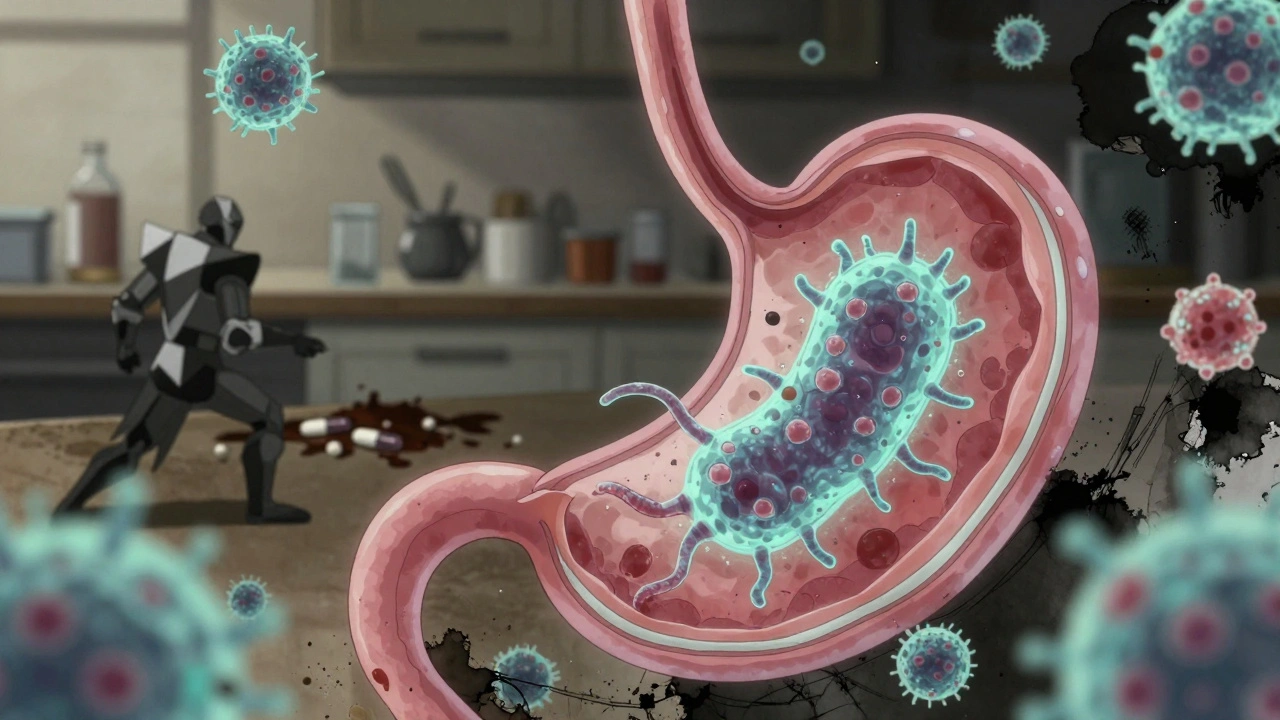
Gastritis is stomach lining inflammation, often caused by H. pylori bacteria. Learn how it's diagnosed, treated with antibiotics and acid blockers, and why lifestyle changes matter for long-term healing.
Read More© 2026. All rights reserved.