
When you hear generic medications, pharmaceutical products that contain the same active ingredients as brand-name drugs but are sold under their chemical name. Also known as generic drugs, they are just as effective, rigorously tested, and often cost up to 80% less than their brand-name counterparts. Many people still think generics are "weaker" or "inferior," but that’s not true. The FDA requires them to match brand-name drugs in dosage, strength, safety, route of administration, and performance. If a generic pill works differently, it doesn’t get approved.
Behind every generic medication is a science called bioequivalence, the process that proves a generic drug performs the same way in the body as the original brand. This isn’t guesswork—it’s lab testing. Dissolution profiles, absorption rates, and blood concentration levels are measured to ensure the generic releases the drug at the same speed and amount. That’s why a generic version of atorvastatin or omeprazole works just as well as Lipitor or Prilosec. You’re not getting a cheaper version—you’re getting the same medicine, just without the marketing costs.
Why does this matter for your family? Because drug costs, the out-of-pocket price you pay for prescriptions, which can make or break whether someone takes their medicine regularly. A monthly $200 brand-name pill might drop to $10 as a generic. That’s not a small difference—it’s the difference between taking your blood pressure medicine every day or skipping doses because you can’t afford it. Insurance plans push generics for a reason: they save billions. But here’s the catch—sometimes you still pay more than you should. Tiered formularies and pharmacy benefit managers don’t always pass savings to you. Knowing how to spot real savings helps you take control.
Generic medications aren’t just about price. They’re about access. They let seniors on fixed incomes afford fludrocortisone. They let parents give their kids amoxicillin without choosing between medicine and groceries. They let people with diabetes buy metformin instead of skipping doses. And when you combine generics with smart use—like avoiding early refills or duplicate therapy—you reduce the risk of overdose, interactions, and hospital visits.
You’ll find posts here that break down exactly how generics are tested, why some people still doubt them, and how to compare them to brand-name drugs using real data like f2 scores and dissolution profiles. You’ll see how insurance tricks you into paying more, even when a generic is available. You’ll learn which generic antibiotics, anesthetics, and heart meds actually match their brand-name versions—and which ones you should double-check with your pharmacist.
There’s no magic here. No hidden formulas. Just science, regulation, and common sense. The right generic medication can be the difference between managing your condition and letting it manage you. And if you’re paying full price for a generic, you’re overpaying. This collection gives you the facts to fix that—without jargon, without fluff, and without the sales pitch.

Discover how generic medications save money without compromising quality. Learn about FDA regulations, common misconceptions, and practical steps to build trust in generic drugs for better healthcare decisions.
Read More
Generic drugs save billions but many patients still distrust them. Learn research-backed ways healthcare providers can build patient confidence through clear communication, education, and trust-building conversations.
Read More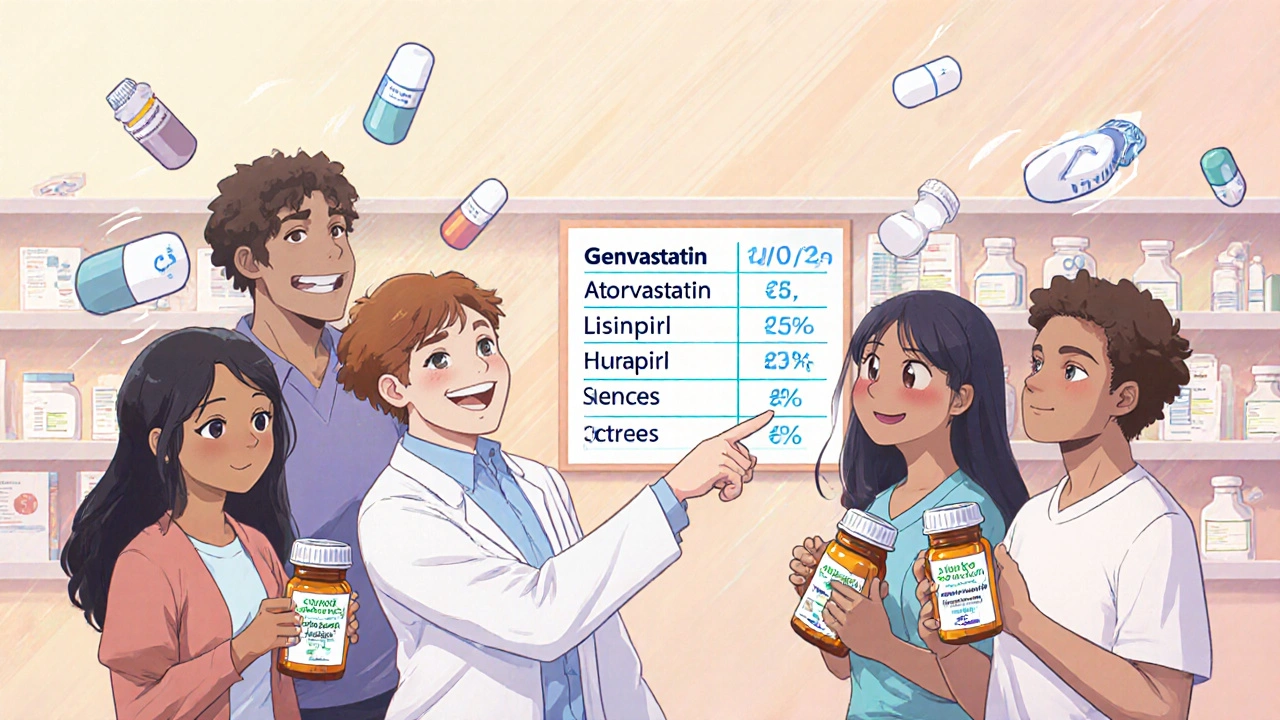
Generic medications offer the same effectiveness as brand-name drugs at up to 85% lower cost. Learn how to switch safely and start saving hundreds per month on prescriptions.
Read More© 2026. All rights reserved.