
When you have a persistent stomach ache, bloating, or unexplained nausea, it might not just be stress or bad food—it could be H. pylori infection, a bacterial infection in the stomach lining that causes chronic inflammation and increases ulcer risk. Also known as Helicobacter pylori, this bacteria lives in the acidic environment of your stomach and can quietly damage the protective lining over years. It’s not rare—nearly half the world’s population carries it, and most never know until they develop symptoms.
This infection doesn’t just cause discomfort—it’s linked to stomach ulcers, open sores in the stomach or upper small intestine that burn when empty and even stomach cancer in rare cases. Unlike stress-induced irritation, H. pylori is a real, measurable threat that responds to specific treatments. The good news? It’s curable. The catch? Most people don’t get tested unless they’re having serious symptoms. Doctors usually check for it through breath tests, stool samples, or endoscopy—not just guessing based on discomfort.
Antibiotics are the backbone of treatment, but not just any combo works. The standard is a two-week course of two antibiotics plus a proton pump inhibitor to reduce acid and help the stomach heal. But resistance is rising. Some strains no longer respond to common drugs like clarithromycin, which means your doctor might need to try different combinations. That’s why self-treating with over-the-counter antacids won’t cut it—they mask the pain but leave the bacteria alive.
It also spreads through contaminated food, water, or close contact—like sharing utensils or kissing someone infected. Kids are often the source, especially in crowded or low-income households with poor sanitation. If one person in your family has it, others might too. That’s why testing close contacts is sometimes recommended, especially if symptoms run in the household.
After treatment, you’ll need a follow-up test to confirm the bacteria is gone. Many people feel better before the course ends and stop taking pills early—big mistake. Incomplete treatment breeds resistant strains and makes future rounds harder. This isn’t a quick fix; it’s a medical protocol that demands precision.
You’ll also find posts here about how to safely manage medications during and after treatment. Some antibiotics interact with common supplements or OTC pain relievers. Others affect how your body absorbs nutrients. And if you’re on long-term acid-reducing drugs, you need to know how that changes your risk over time. This collection pulls together real advice from people who’ve been through it—what worked, what didn’t, and what your doctor might not tell you unless you ask.
Whether you’re dealing with lingering symptoms, just got diagnosed, or are worried about a family member, this guide gives you the facts—not fluff. You’ll find clear steps for testing, treatment options that actually work, and how to avoid the traps that make H. pylori come back.
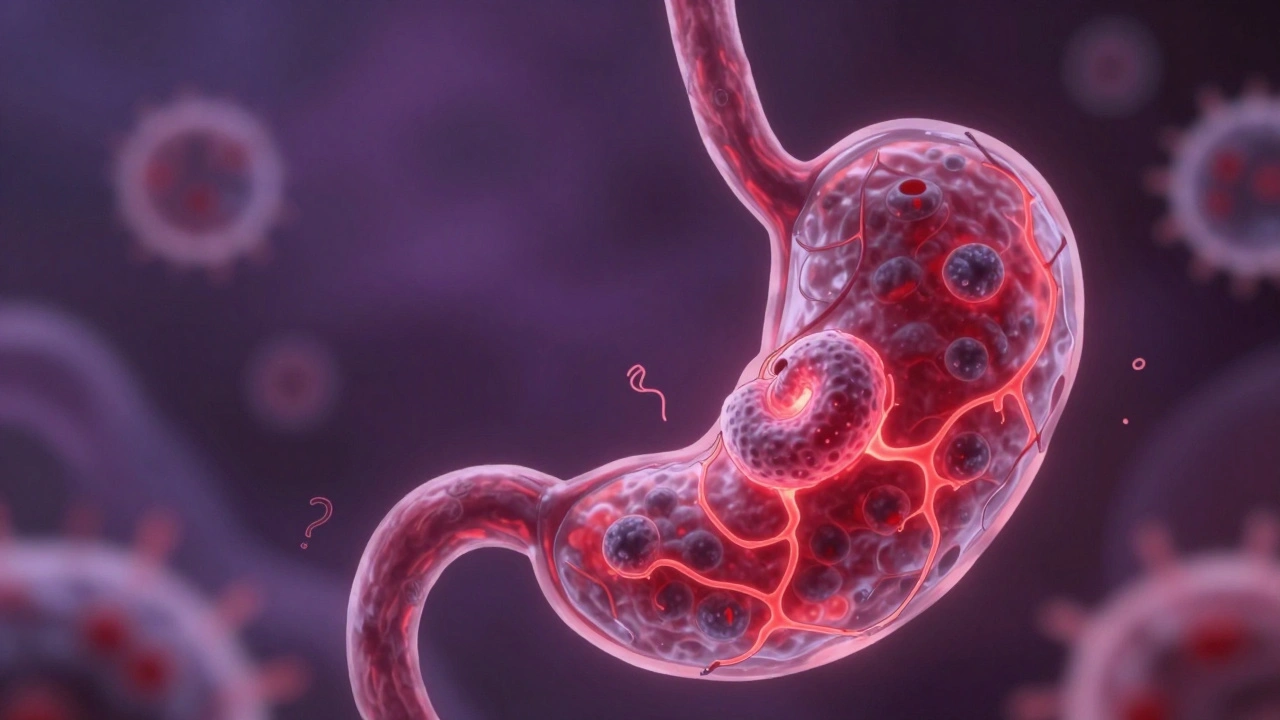
Gastritis is stomach lining inflammation, often caused by H. pylori bacteria. Learn how it’s diagnosed, treated with antibiotics and acid blockers, and why proper treatment prevents ulcers and cancer.
Read More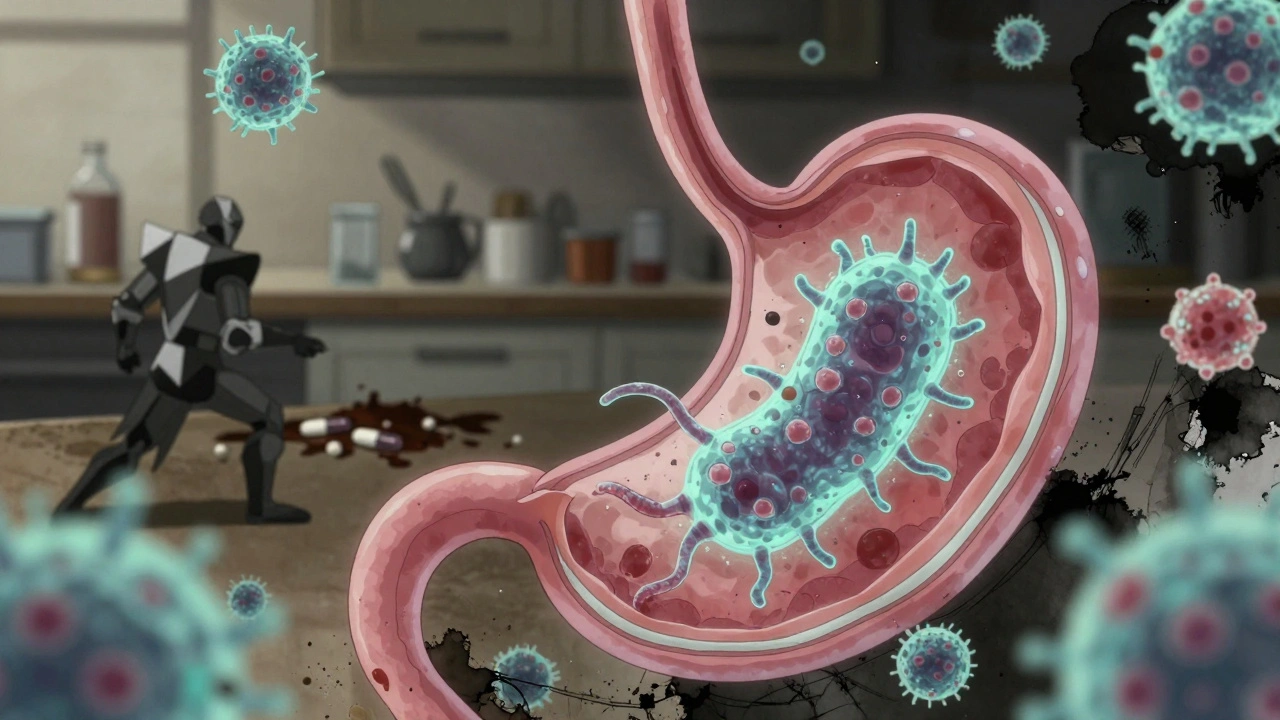
Gastritis is stomach lining inflammation, often caused by H. pylori bacteria. Learn how it's diagnosed, treated with antibiotics and acid blockers, and why lifestyle changes matter for long-term healing.
Read More© 2026. All rights reserved.